Find your next story
Search OMG
Search headlines, topics, and story descriptions across every OMG desk.
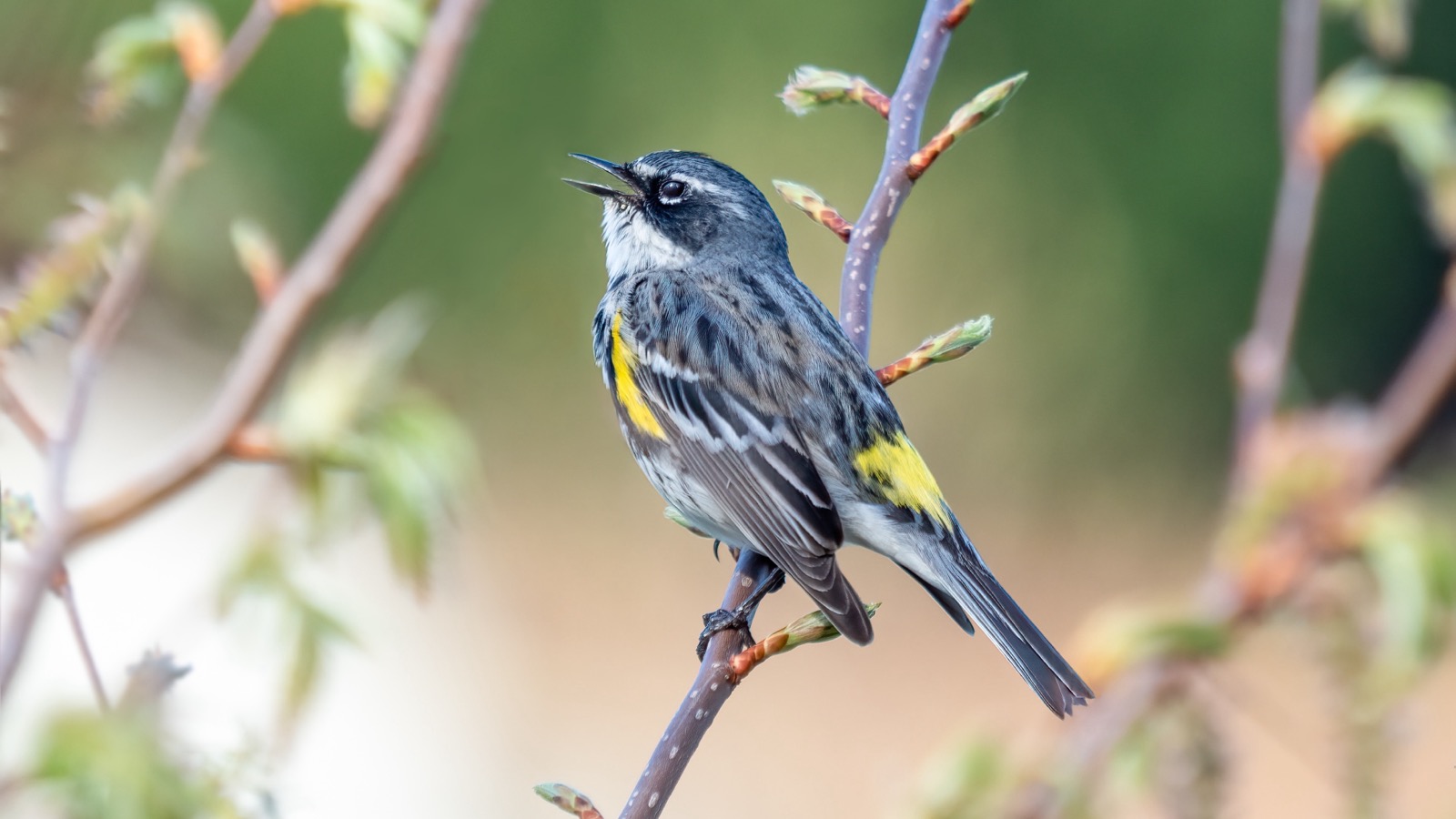
Bird songs echo human voices in three ways. Vocal learning did not explain the resemblance
A comparison of 367 bird species and 52 human languages found shared pitch, rhythm and phrase-ending patterns. Vocal-learning status did not systematically explain them.
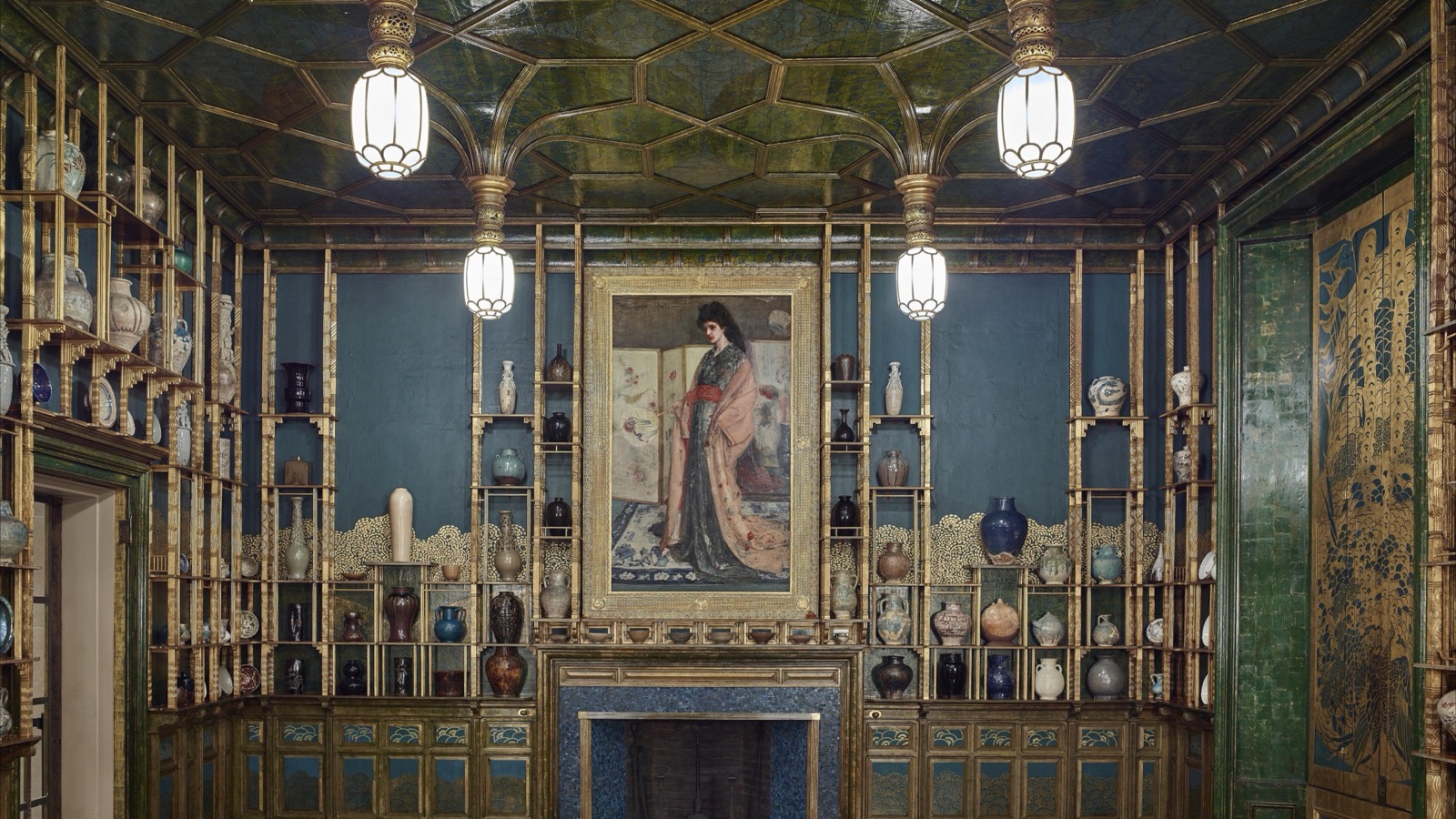
The Peacock Room must stay inside its museum. Its VR double is being built to travel
Whistler's only surviving intact interior is bound to the museum by Charles Lang Freer's bequest. A new VR experience will retrace its London, Detroit and Washington lives.
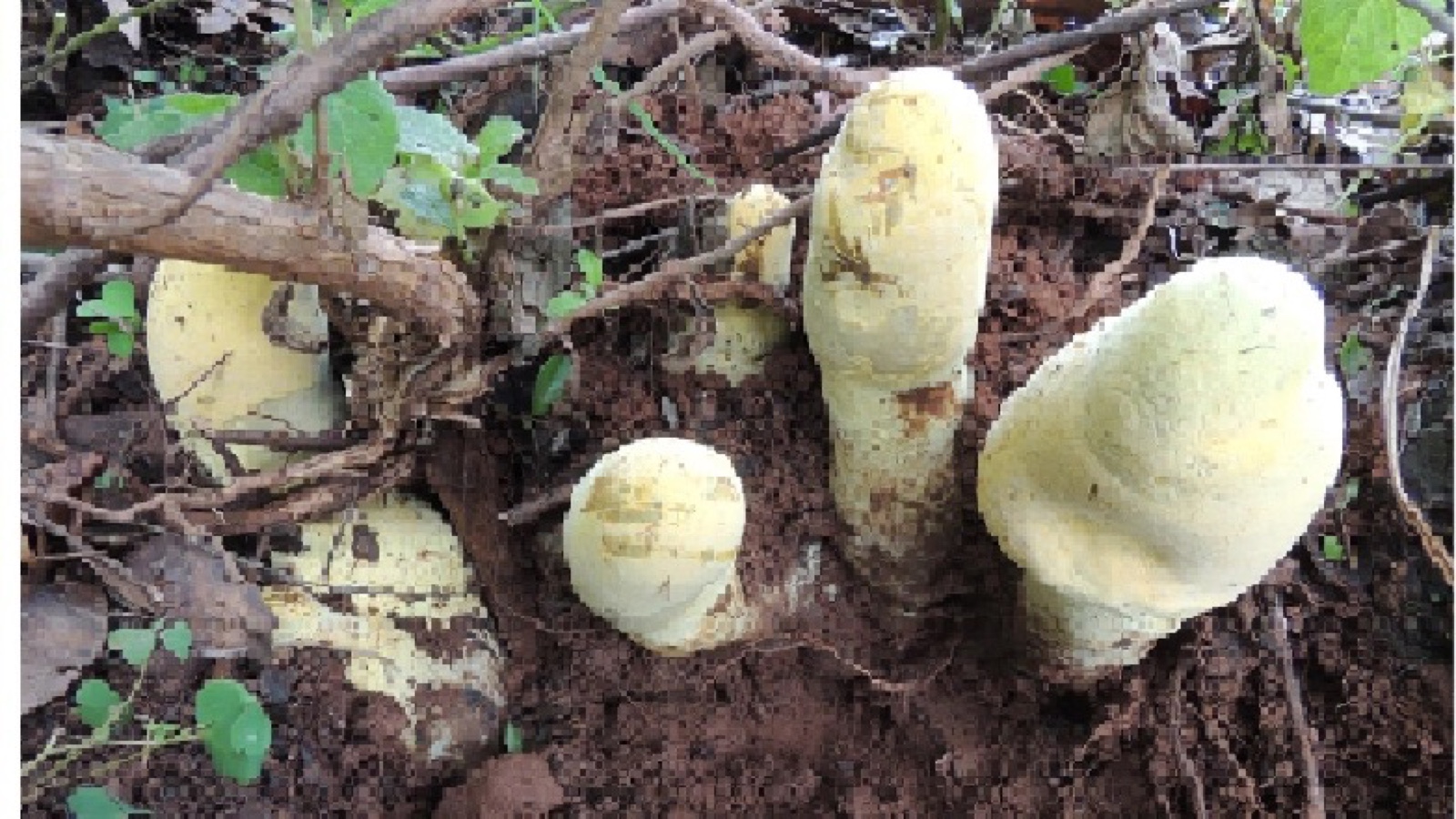
Scientists proposed a new family for a fungus with half-meter spore-bearing structures
A fungus found in Yunnan produces pale, fleshy stromata that measure as much as 50 centimeters in total height. Its anatomy and DNA led researchers to propose a new species, genus and family.
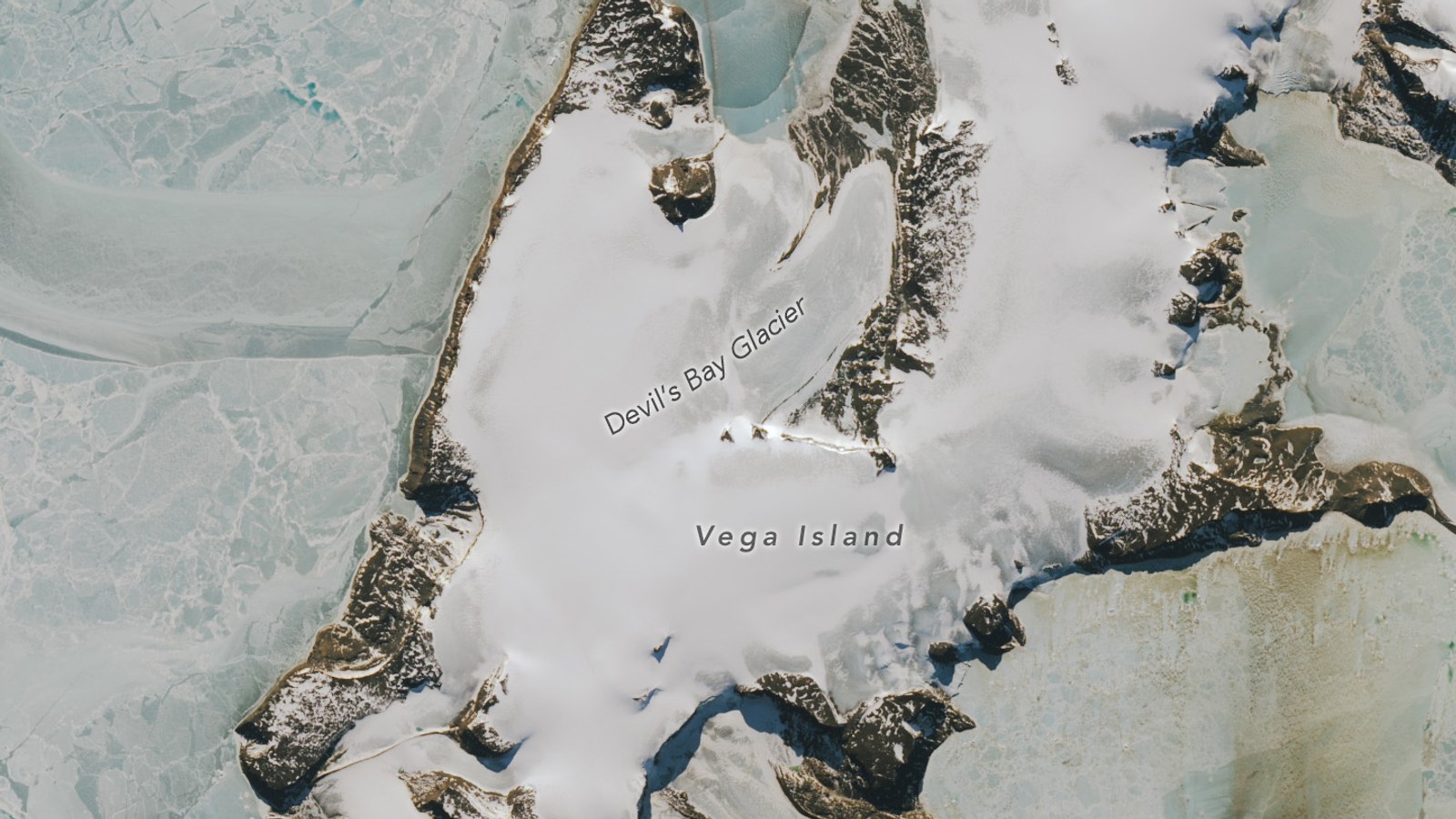
Three glacial features make Vega Island look like a face from space
A nunatak, a lateral moraine and Devil's Bay Glacier line up like a face on Vega Island. Two Landsat images show the same features under different snow cover.
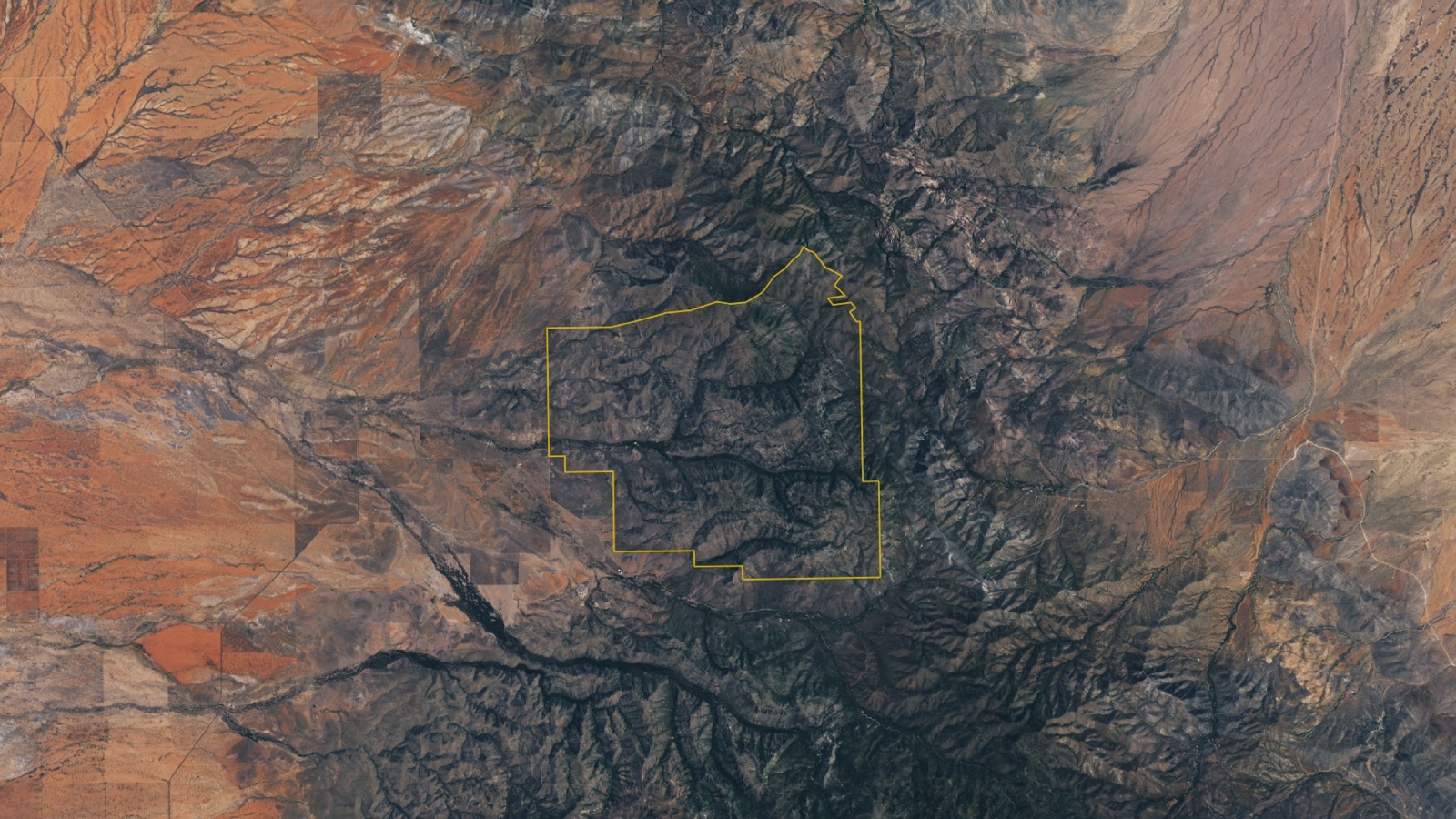
Chiricahua's rock towers disappear at Landsat scale. The volcanic maze does not
In a July Landsat image, Chiricahua's famous stone pillars blend into gray volcanic ridges crossed by green canyons. The image predates the park's October redesignation.
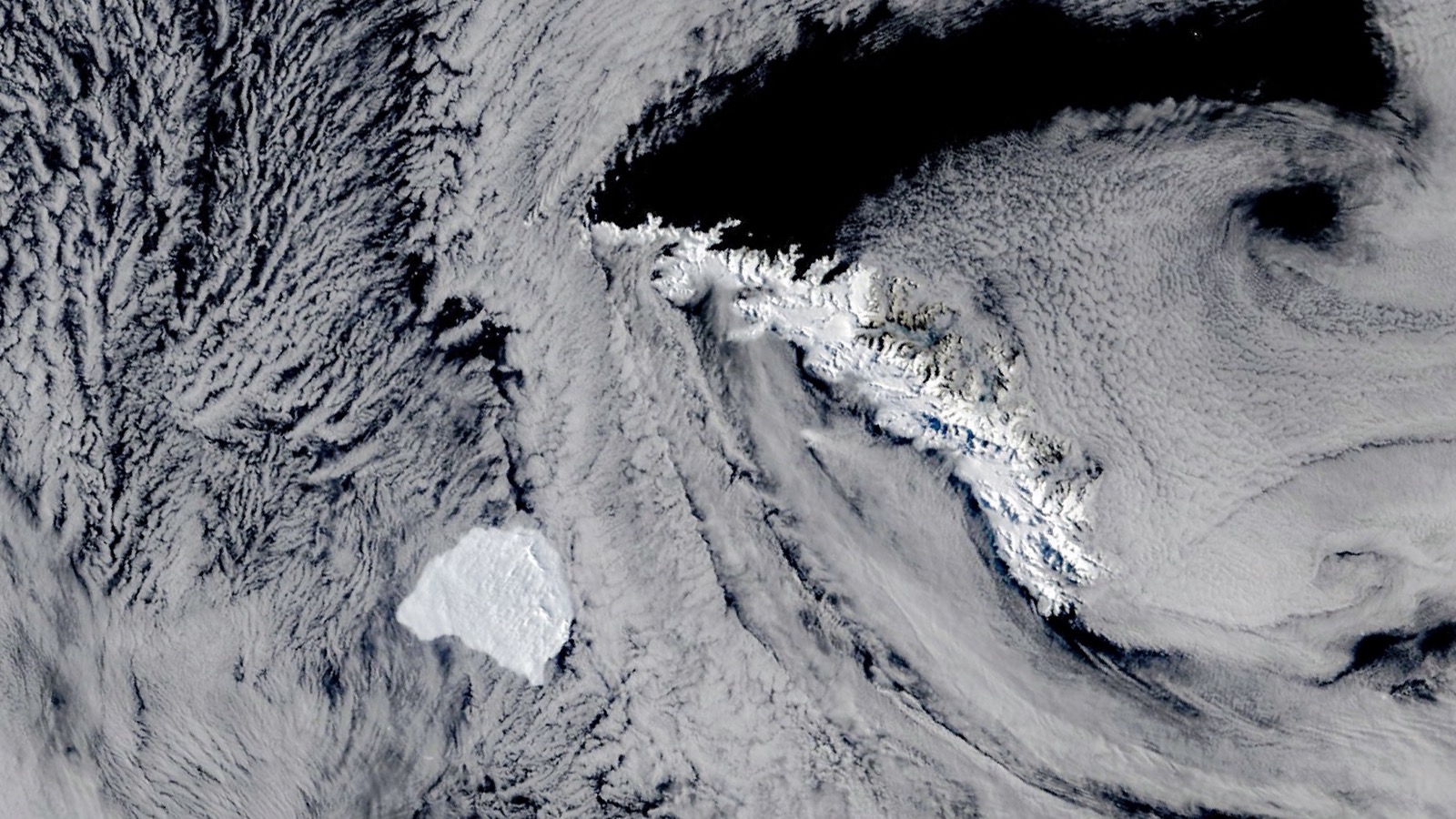
A-81 reached South Georgia, 2,300 kilometers north-northwest of Brunt. Then it slowed
NASA observed iceberg A-81 southwest of South Georgia on October 20. A U.S. National Ice Center file dated October 22 estimates it at 28 by 25 nautical miles.
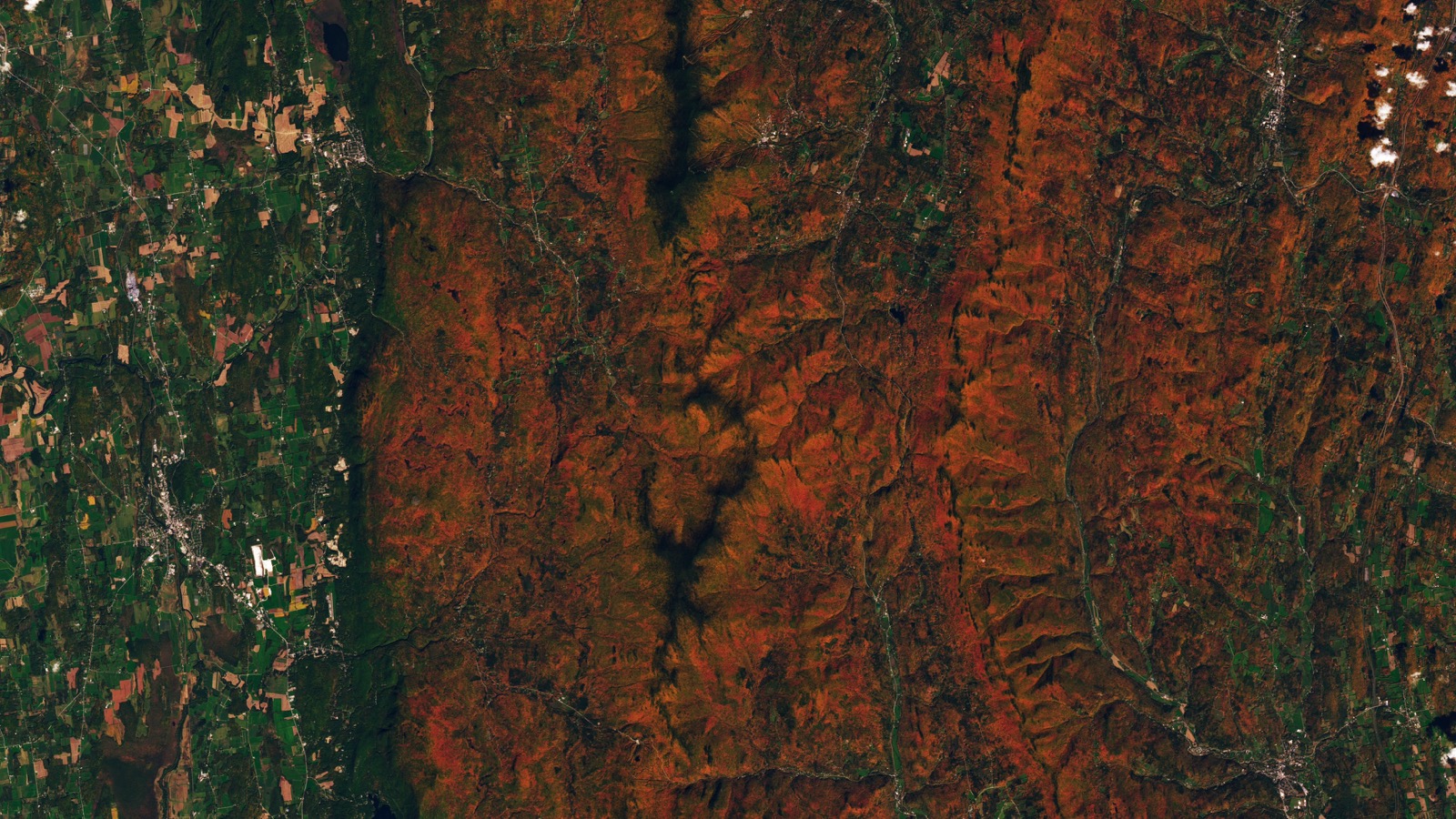
PACE mapped autumn’s red signal from space. Not every patch was fall color
PACE maps tracked vegetation redness in late September and early October 2026. Crops, plant stress, clouds and broad pixels complicate what the colors mean.
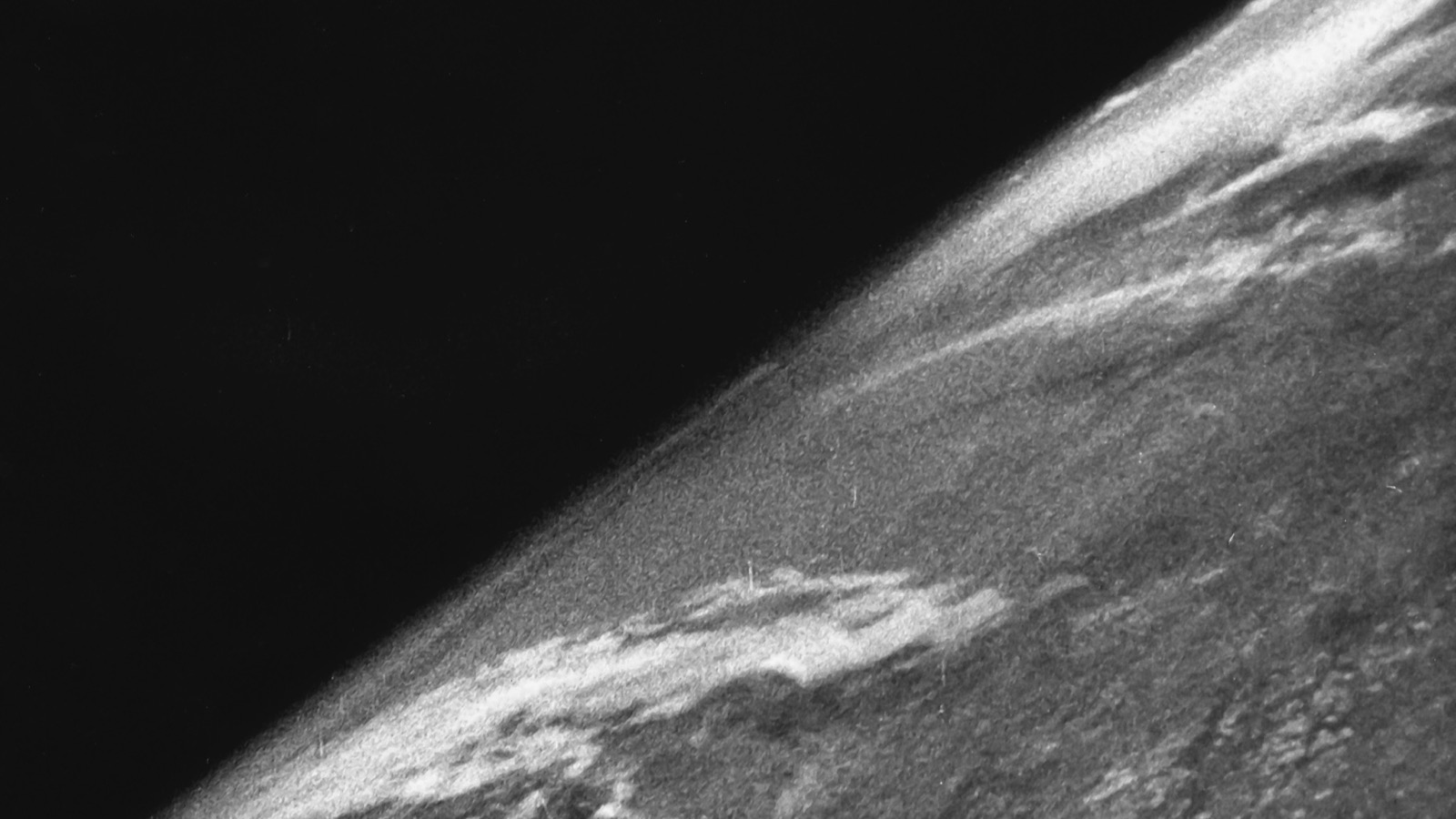
The first photos of Earth from space survived a crash at more than 340 mph
A 35-millimeter camera made the first photographs of Earth from space on Oct. 24, 1946. Its film survived the V-2’s crash, while the rocket’s Nazi and forced-labor history remains part of the record.
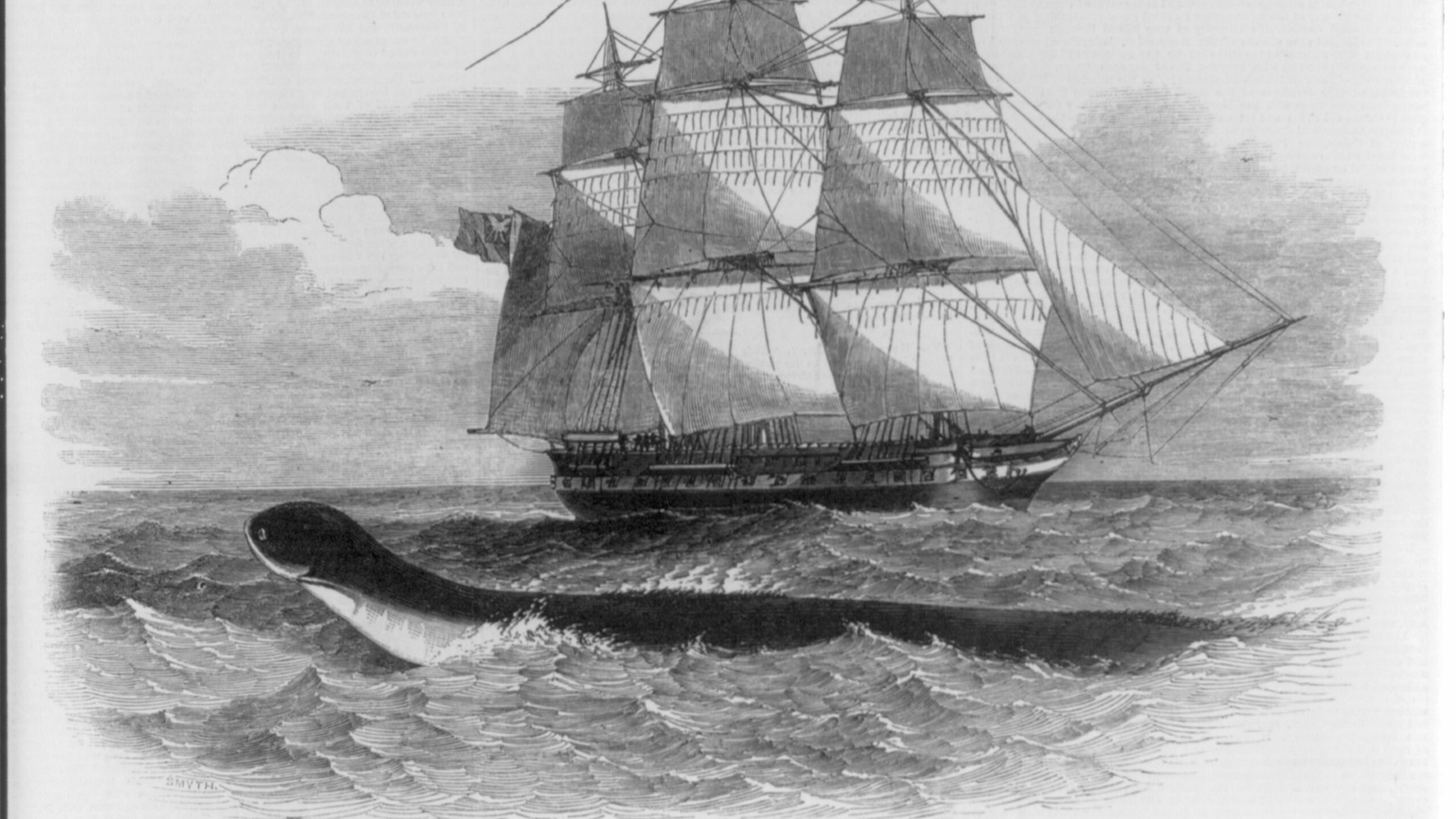
A curator says Bigfoot is the most popular cryptid in SIU’s 58-work art show
Artists across nine states turned rumored, unproven creatures into glass, ceramics, soft sculpture, audio, video and metal at Sharp Museum.
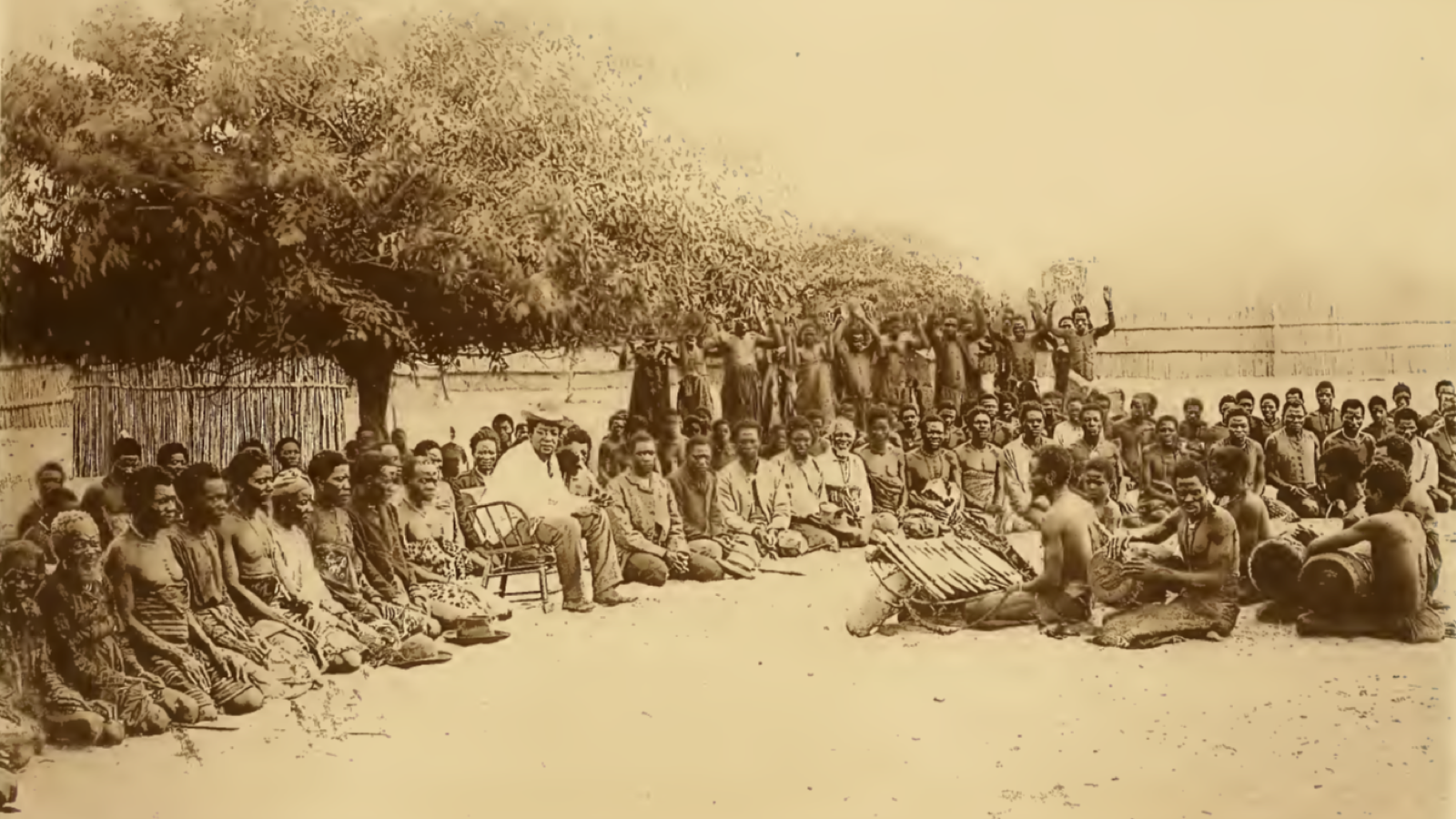
The oldest work in a coming Smithsonian African art exhibition was made by King Lewanika
New & Now is scheduled to open November 6 with a 19th-century wooden bowl by King Lewanika and ownership histories placed alongside the art.
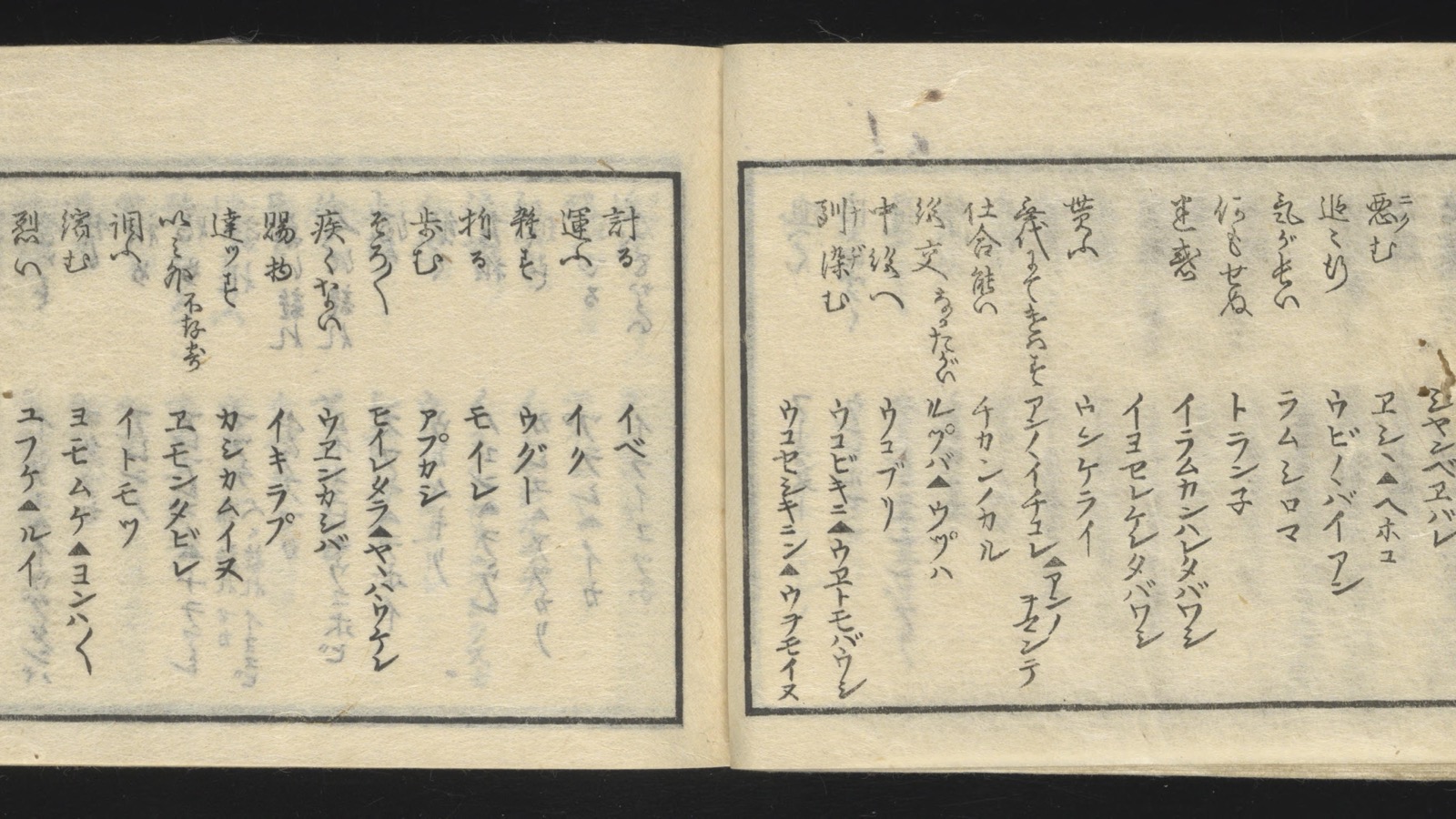
Cornell’s language exhibit draws a line between supporting reclamation and directing it
Languages at the Brink brings together material on Ainu, Welsh, Yiddish, Garifuna and Gayogo̱hó:nǫˀ without treating them as one history or one kind of risk.
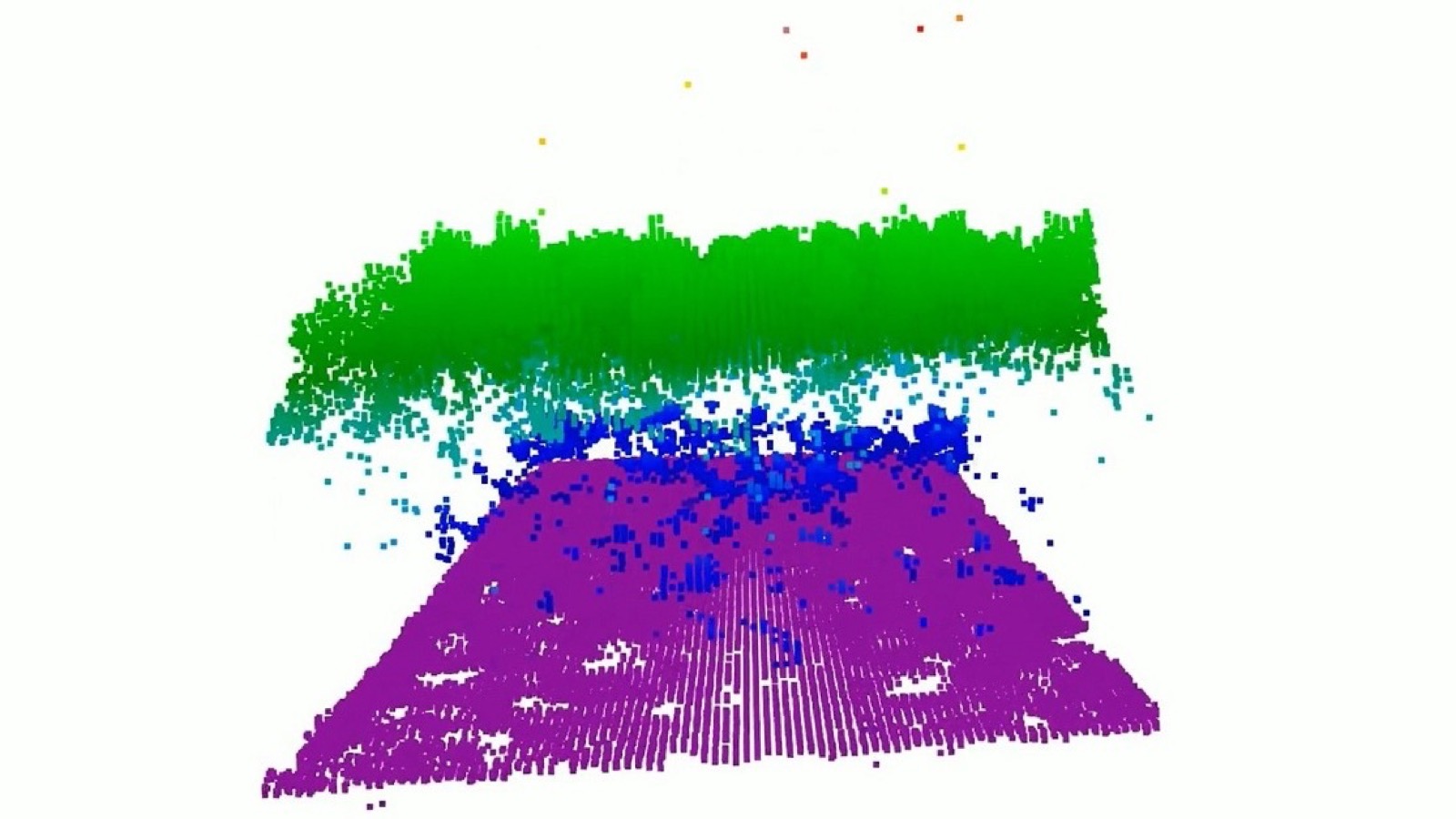
NASA’s CASALS lidar aimed pulses at 256 ground positions without moving a mirror
The prototype flew four times in 2024. NASA reports 22-centimeter airborne resolution at roughly five kilometers, while an orbital version remains a design.
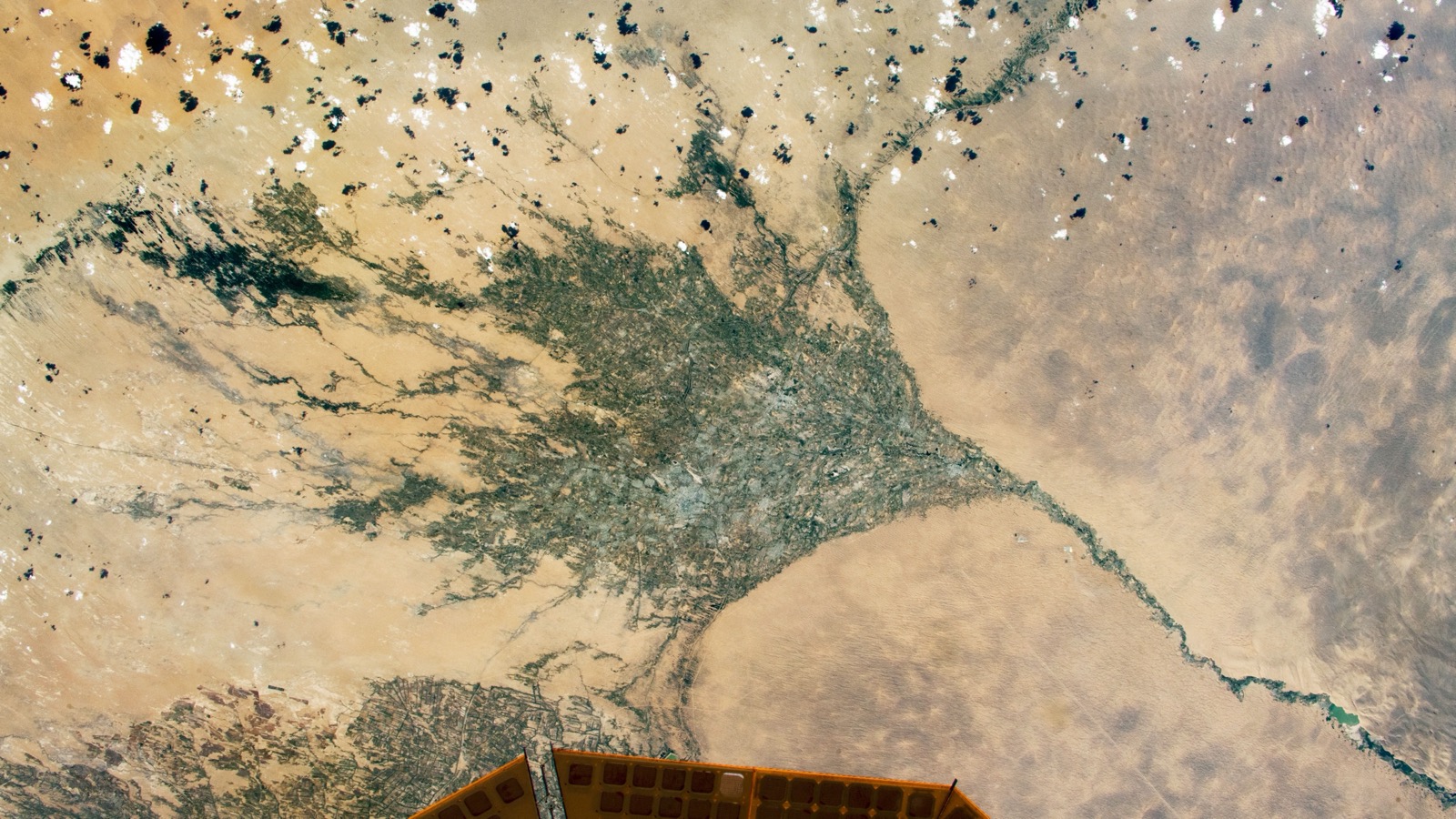
A sharper gravity map found water storage rising beside Turkmenistan’s canal network
A study estimated that the Karakum region gained 1.2 plus or minus 0.5 gigatons of water storage per year, but the method cannot show the month-by-month path.
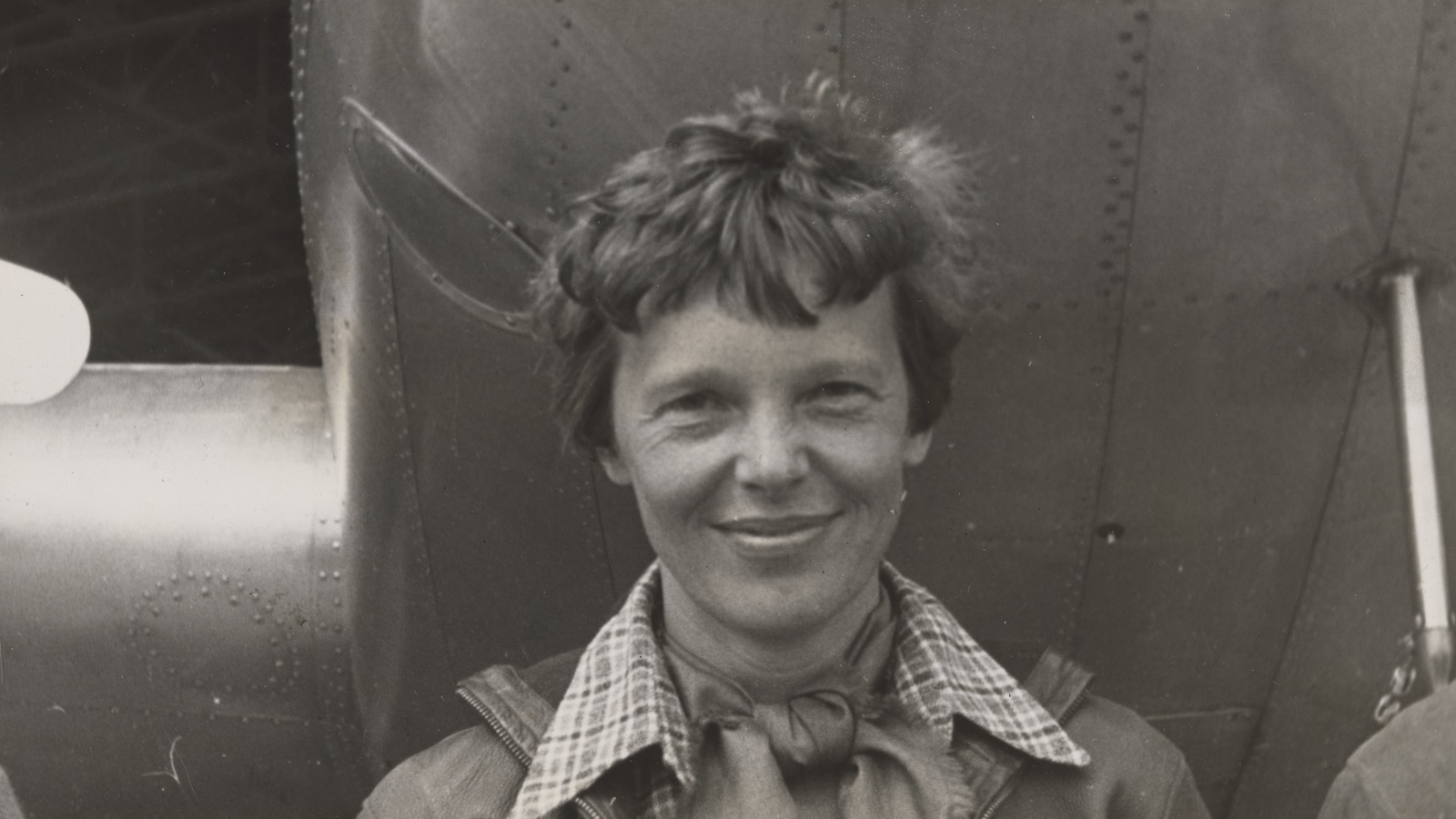
The Taraia Object looked metallic. Purdue says it was likely tree debris, not Earhart’s plane
A 2026 expedition reported no conclusive evidence tying the lagoon anomaly to Amelia Earhart’s Electra. A recovered 30-inch steel tube remains unidentified.
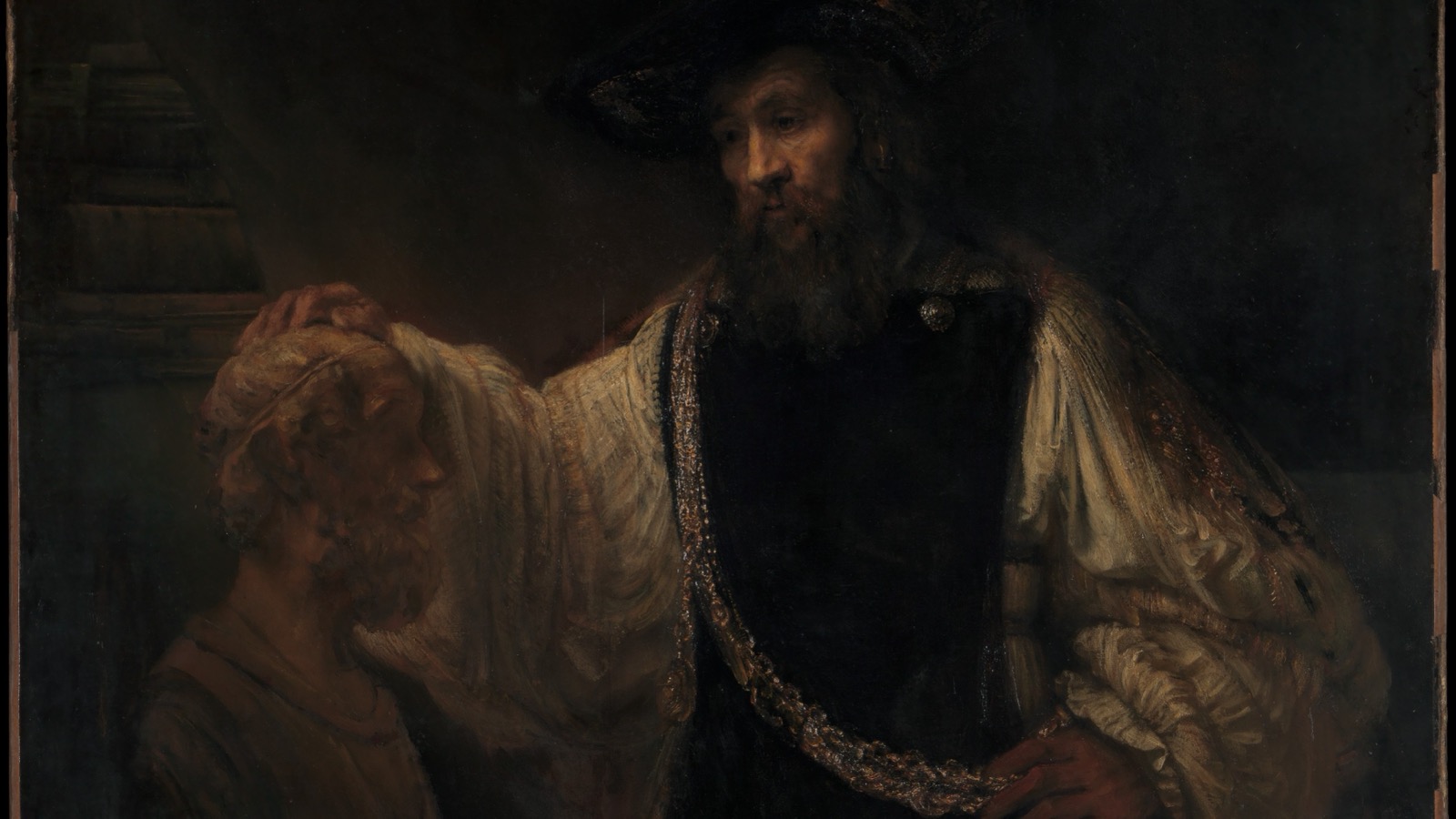
Rembrandt put Homer under Aristotle’s hand and Alexander’s portrait on his chest. A Met show is scheduled for 2027
The Met has announced Rembrandt and the Ancients, a jointly organized exhibition scheduled for New York in November 2027 and planned to include more than 125 works.
About 15% used UMD’s AI study assistant. Classes offered access logged less Canvas activity
A randomized University of Maryland trial found lower Canvas activity in classes offered an AI study assistant. In matched sections of the same course, an adjusted model estimated final grades 4.12 percentage points lower.
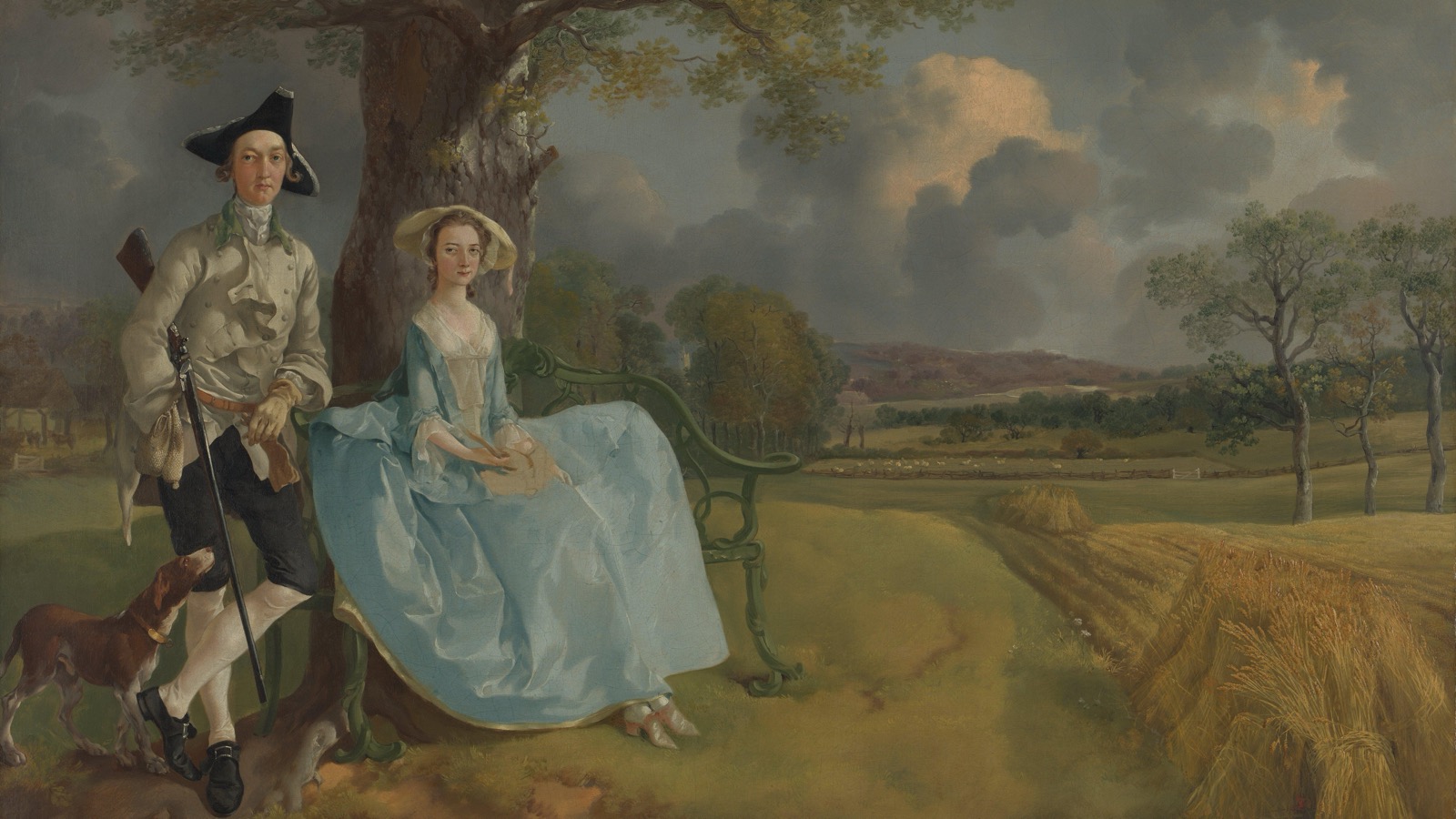
For the first time, Yinka Shonibare’s headless figures share a room with Gainsborough’s original
The National Gallery has paired Thomas Gainsborough’s Mr and Mrs Andrews with Yinka Shonibare’s 1998 sculptural response for the first time.
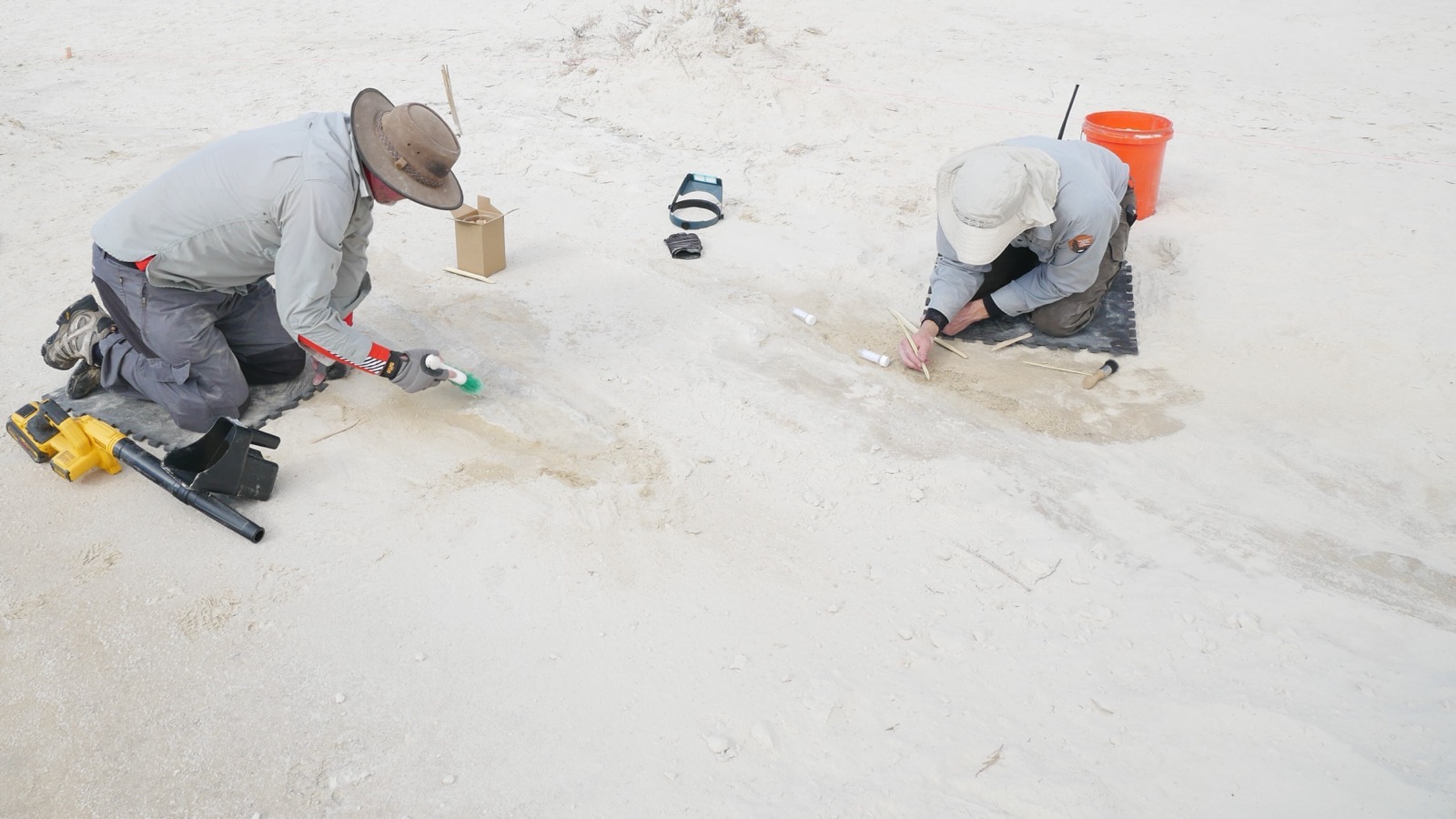
Some White Sands fossil tracks fade from view until moisture reveals them again
Some fragile tracks at White Sands hide beneath a surface crust for part of the year. Moisture can make their outlines easier to see.
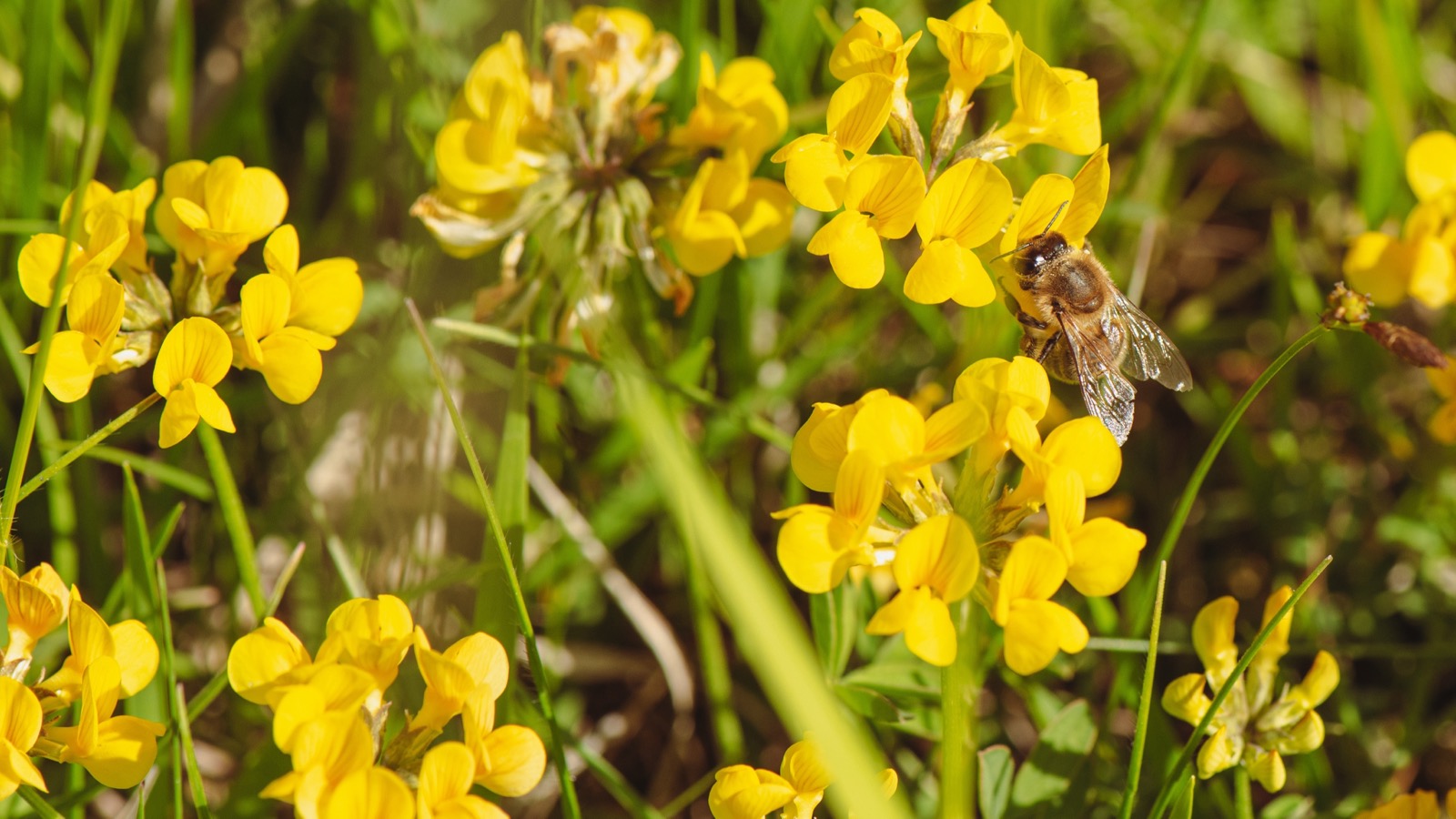
High-speed video caught two flexible pistons working inside a detached honey bee stinger
Two collapsible valves moved in opposite phases to pump venom inside a detached honey bee stinger about two millimeters long.
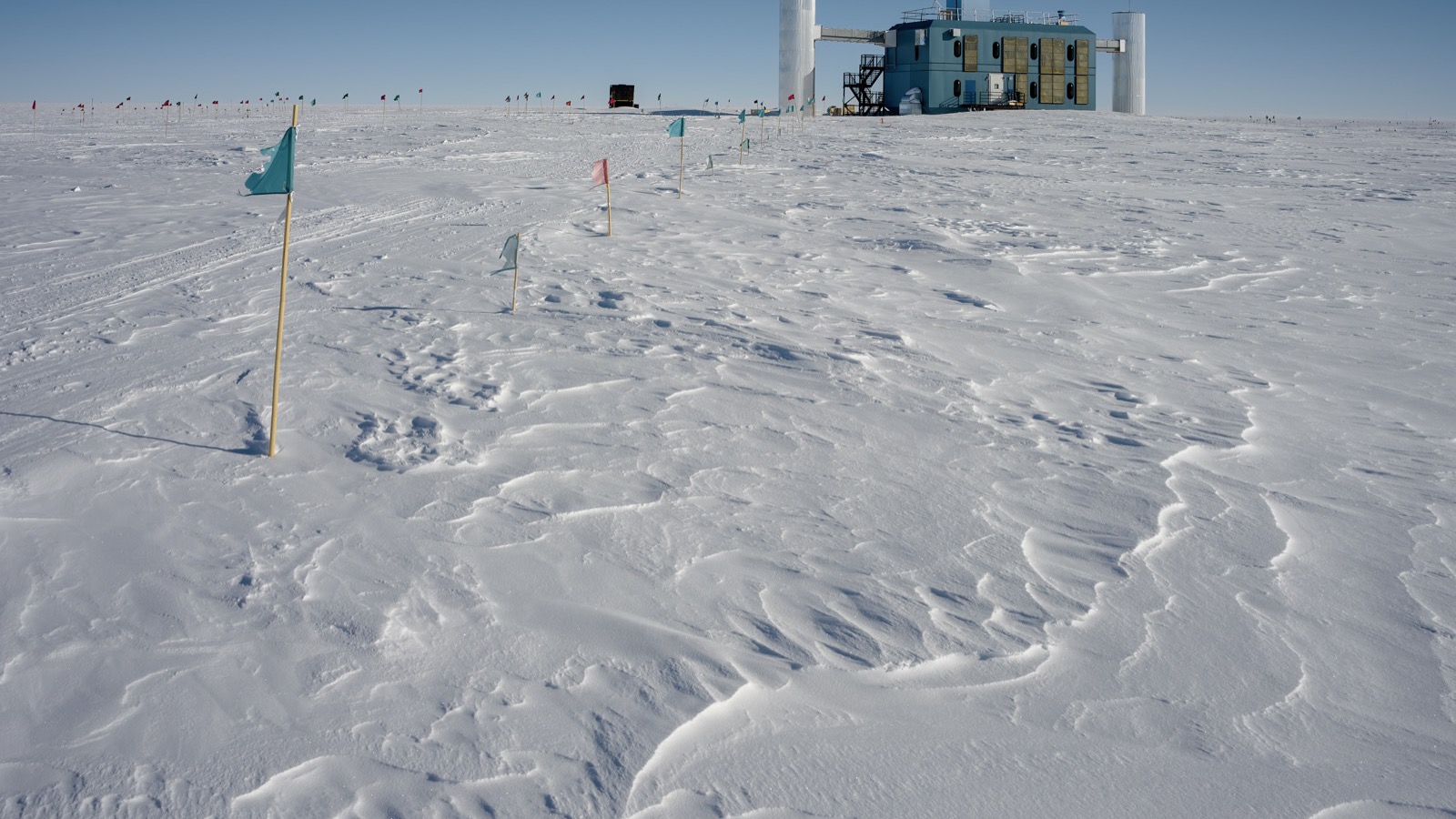
IceCube added five new instrument strings beneath the South Pole before Francis Halzen received the physics Nobel
The 2026 Nobel recognizes Francis Halzen's IceCube work. A separate 2026 upgrade adds five strings and more than 600 devices beneath the South Pole.
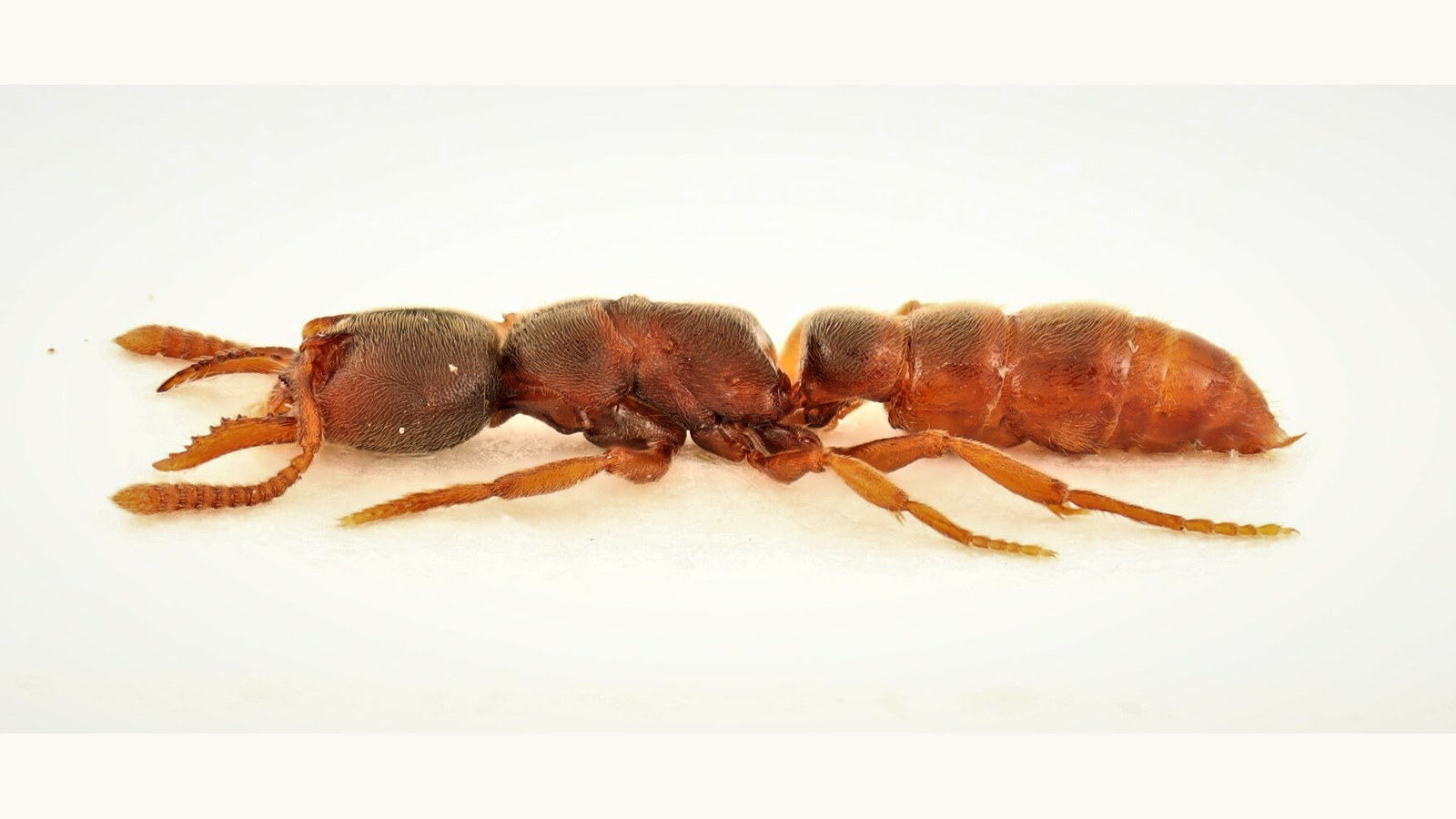
Newly adult Dracula ants hunt centipedes. Most specialized brain regions reached maximum size as pupae
Eastern Dracula ants begin hunting and provisioning larvae at adult emergence. A study found the brain and most specialized compartments had already reached maximum size.
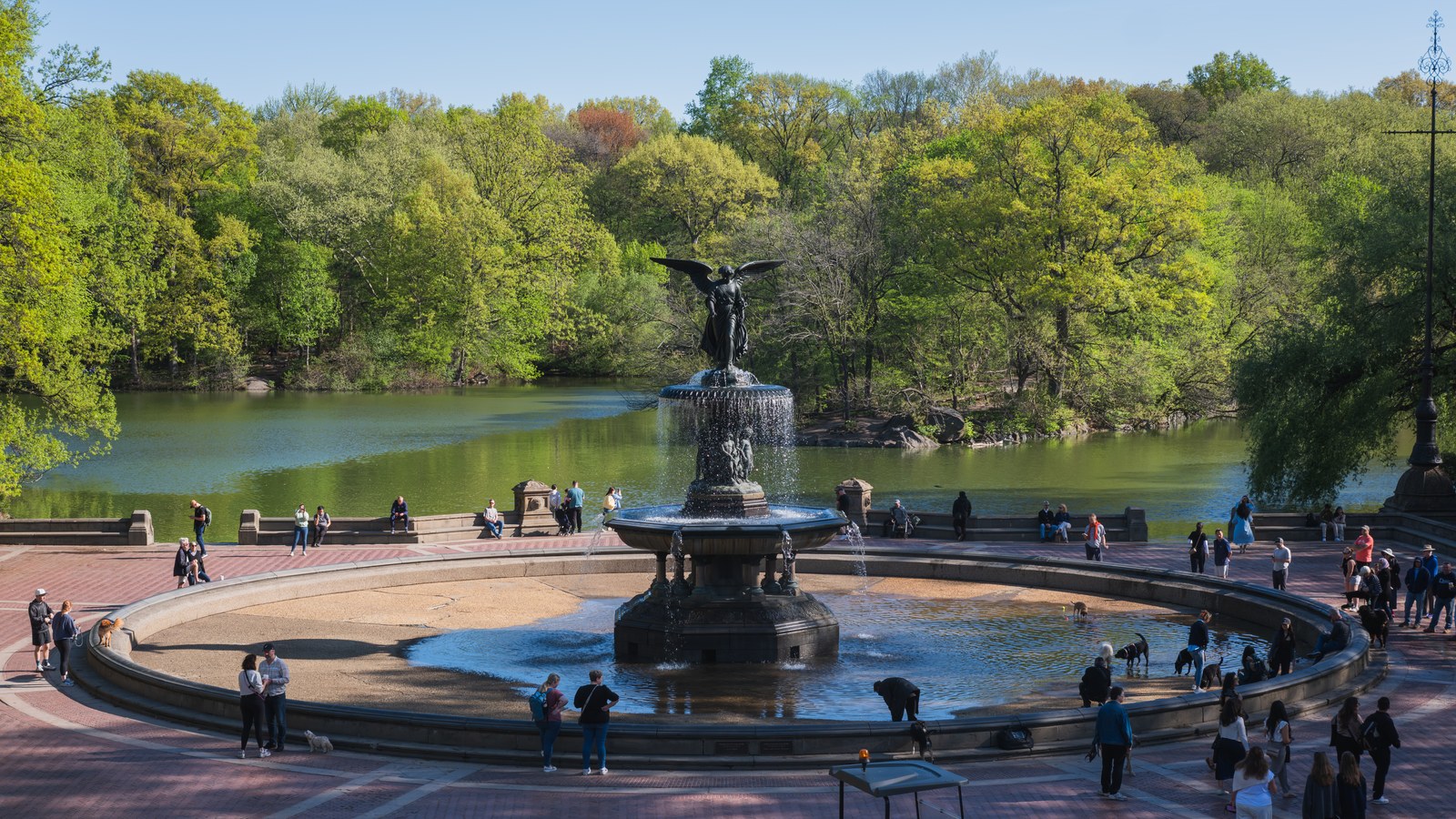
Emma Stebbins’s angel became a Central Park landmark. Chicago now gathers 13 of her marbles
A Chicago exhibition brings together 13 marble sculptures by Emma Stebbins, the first woman to earn a public sculpture commission from New York City.

SPHEREx recorded the coldest known brown dwarf. Model-inferred radii spread up to fourfold
A study compared SPHEREx spectra with five atmosphere-model families. Their widest disagreements appeared around carbon dioxide and carbon monoxide features and the cloudy L-to-T transition.
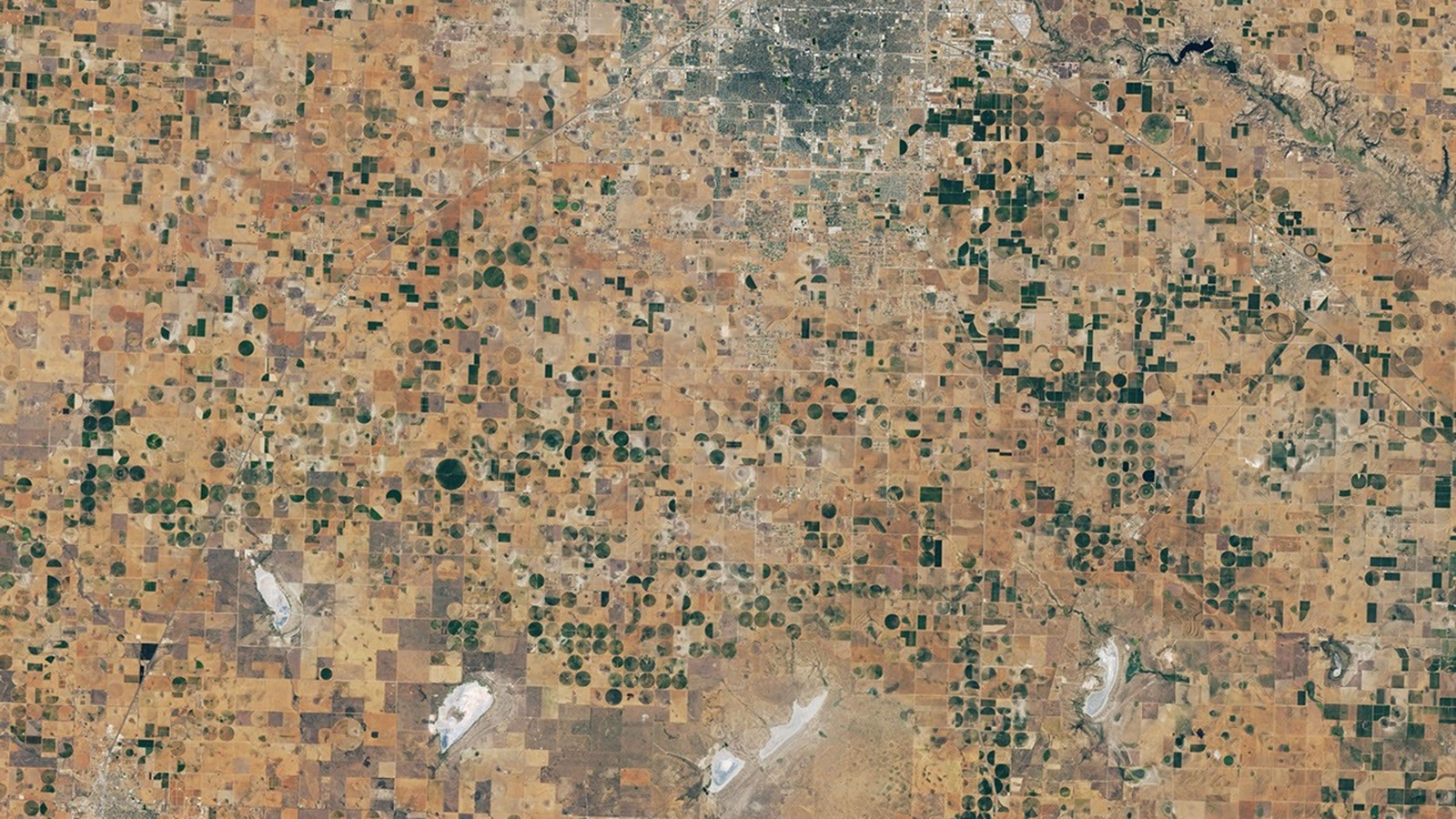
Some green farm circles near Lubbock stop halfway. NASA ties the missing arcs to reduced irrigation
A September 9 Landsat 8 image shows green semicircles and wedges inside West Texas farm fields. NASA says some farmers reduced the area they irrigated as groundwater grew scarce.
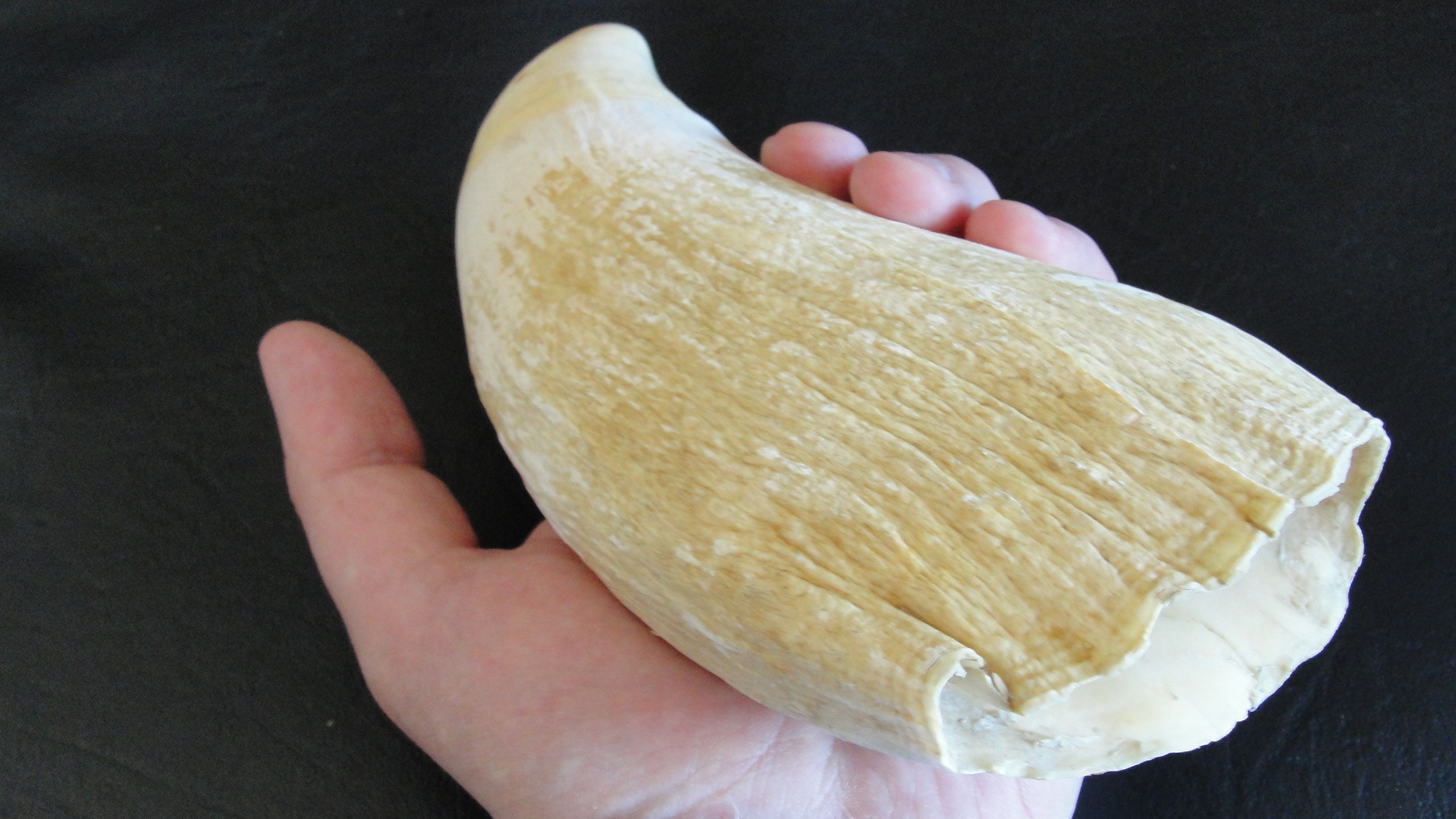
A killer whale tooth showed 52 growth bands. Nuclear-test carbon pointed to more years
Scientists compared radiocarbon and stable isotopes in teeth from five whales stranded in Scotland. One old killer whale had 52 visible layers, but the carbon record pointed to a longer life.
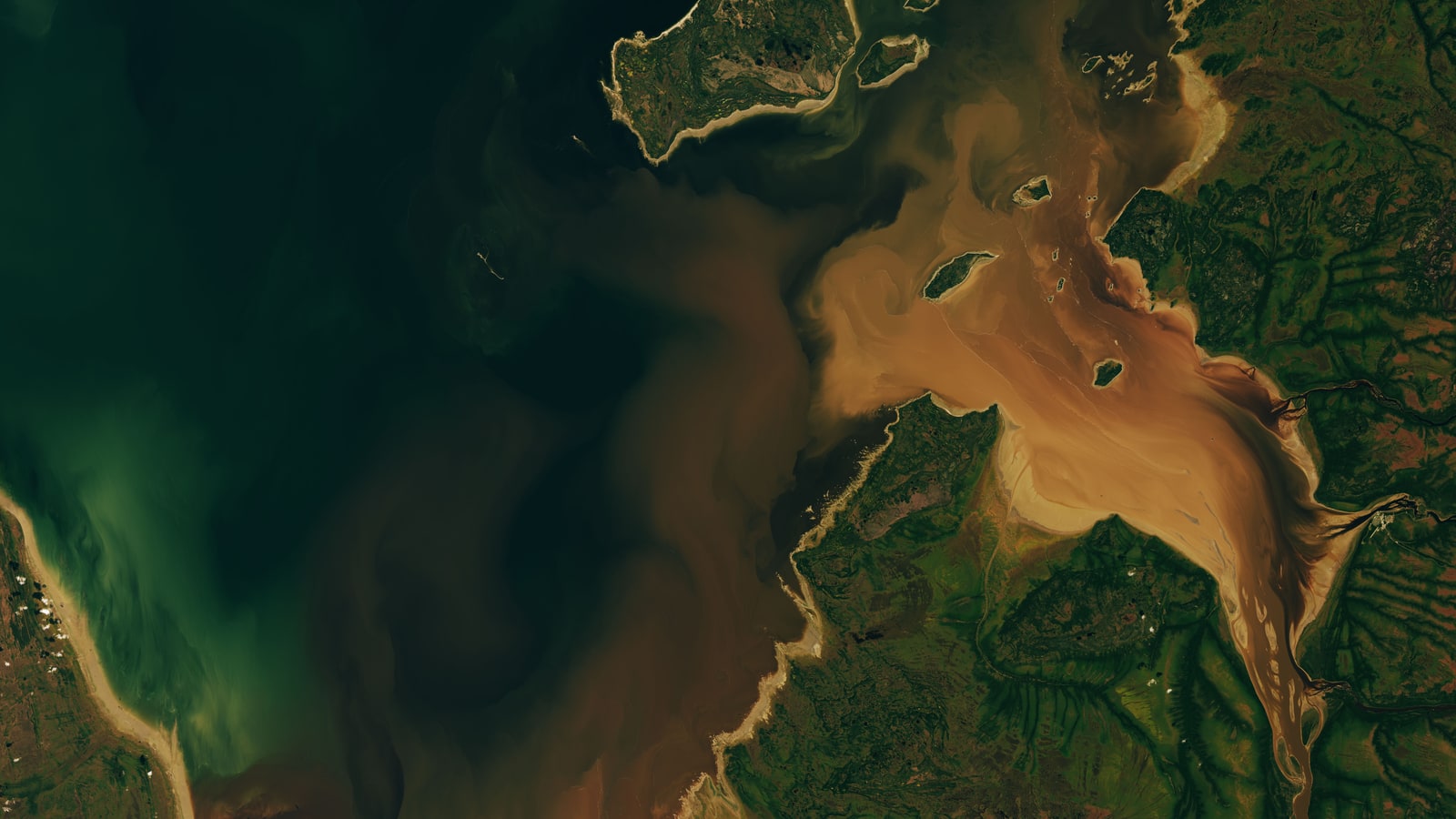
Two browns meet in James Bay. The paler one carries the mud
A September 27 Landsat 9 image caught dark river water colored by dissolved plant matter beside pale copper plumes of sediment stirred across broad mudflats.
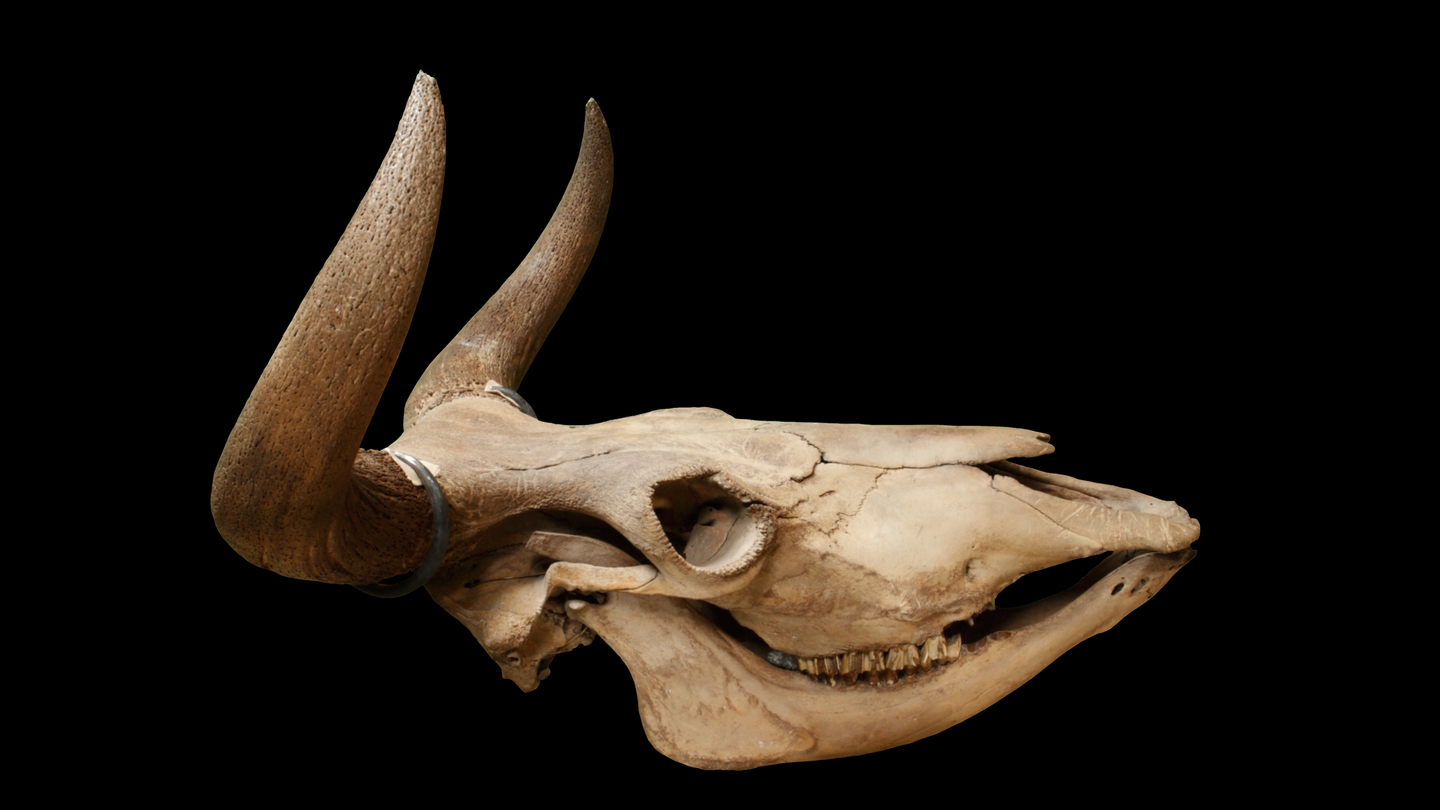
Rising seas cut off Scandinavia's wild cattle. Evidence suggests some survived 1,500 years more
Ancient DNA, 108 dated specimens and bone ratios trace the decline of Scandinavia's aurochs without reducing their disappearance to one cause.
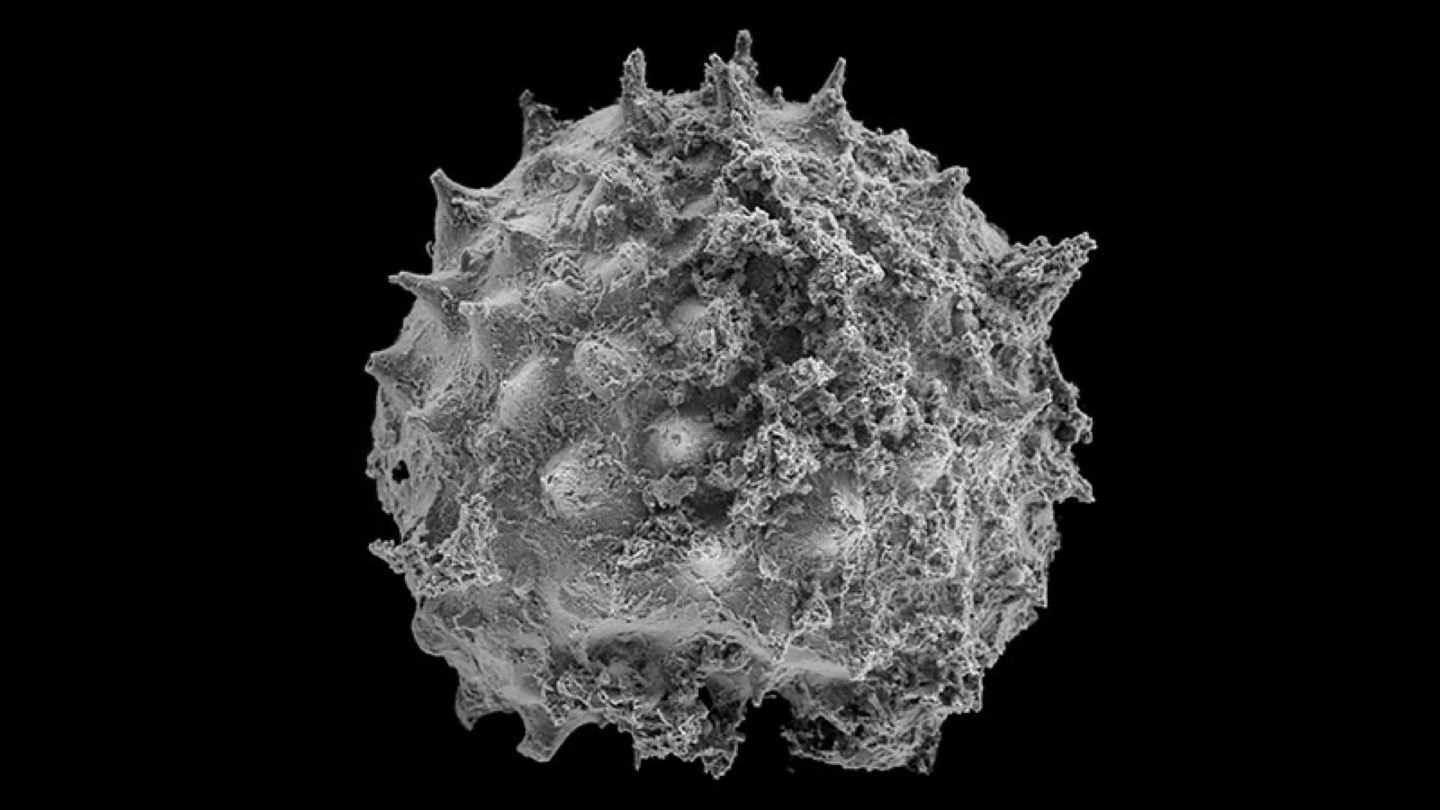
A fossil bed missed animals that already existed. One age estimate moved 200 million years
More than 140 samples from Mongolia preserved detailed microfossils but no definitive animals. That absence exposed a weak age limit in one molecular-clock analysis.

NASA heated a Venus probe model to 869°F six times. The flight probe comes later
A DAVINCI engineering development unit completed six furnace cycles that followed the pace of heating expected during the future probe's descent through Venus's atmosphere.

Eight debris disks carried a stronger silica signal. Webb never saw the impacts
A study of 21 extreme debris disks classified eight as silica-rich, giving astronomers indirect clues about the energy of collisions that happened before the telescopes looked.
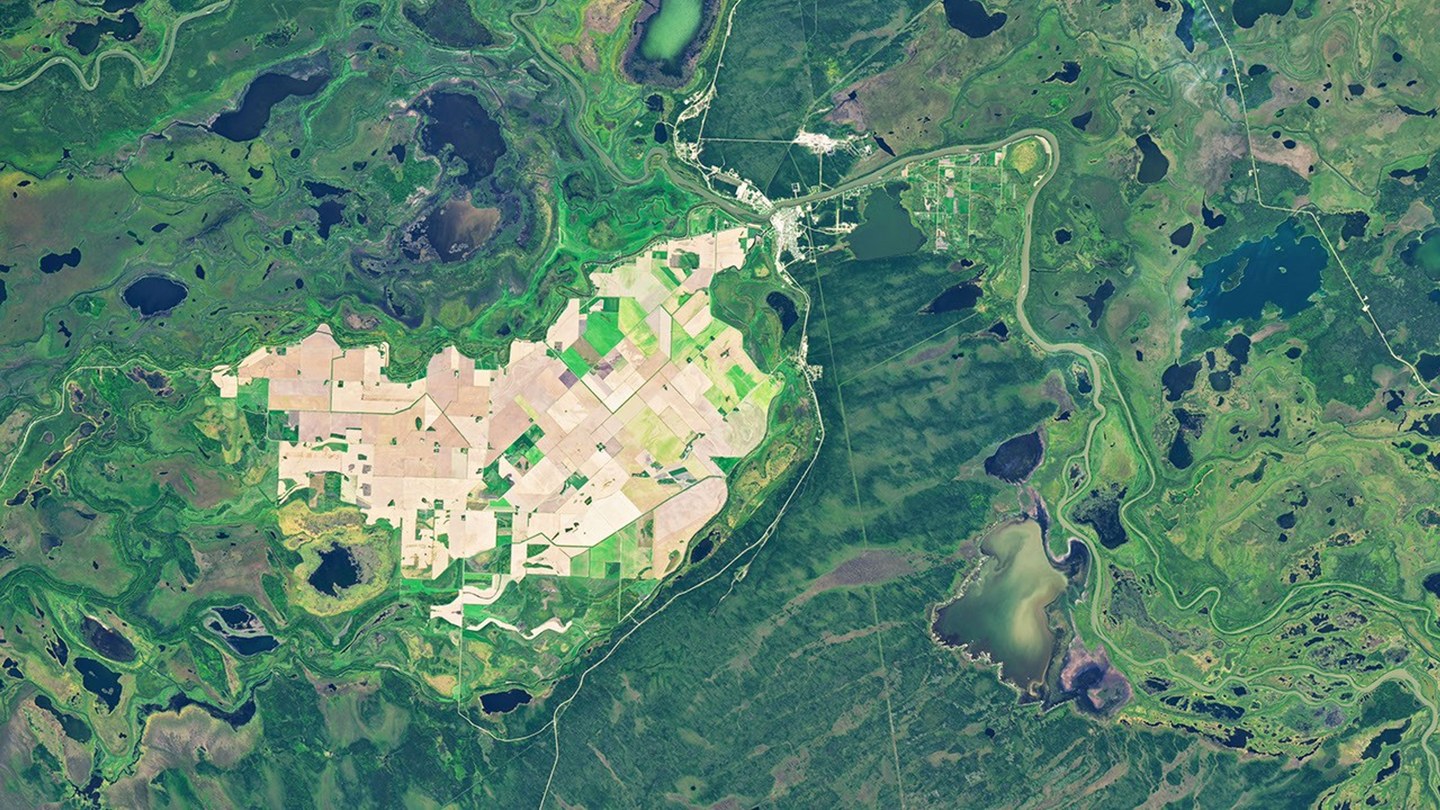
A northern Manitoba farm grid changed color in 81 days. The wetlands kept their curves
Two Landsat views show rectangular fields shifting from summer green toward autumn brown inside the channels, lakes and marshes of the Saskatchewan River Delta.
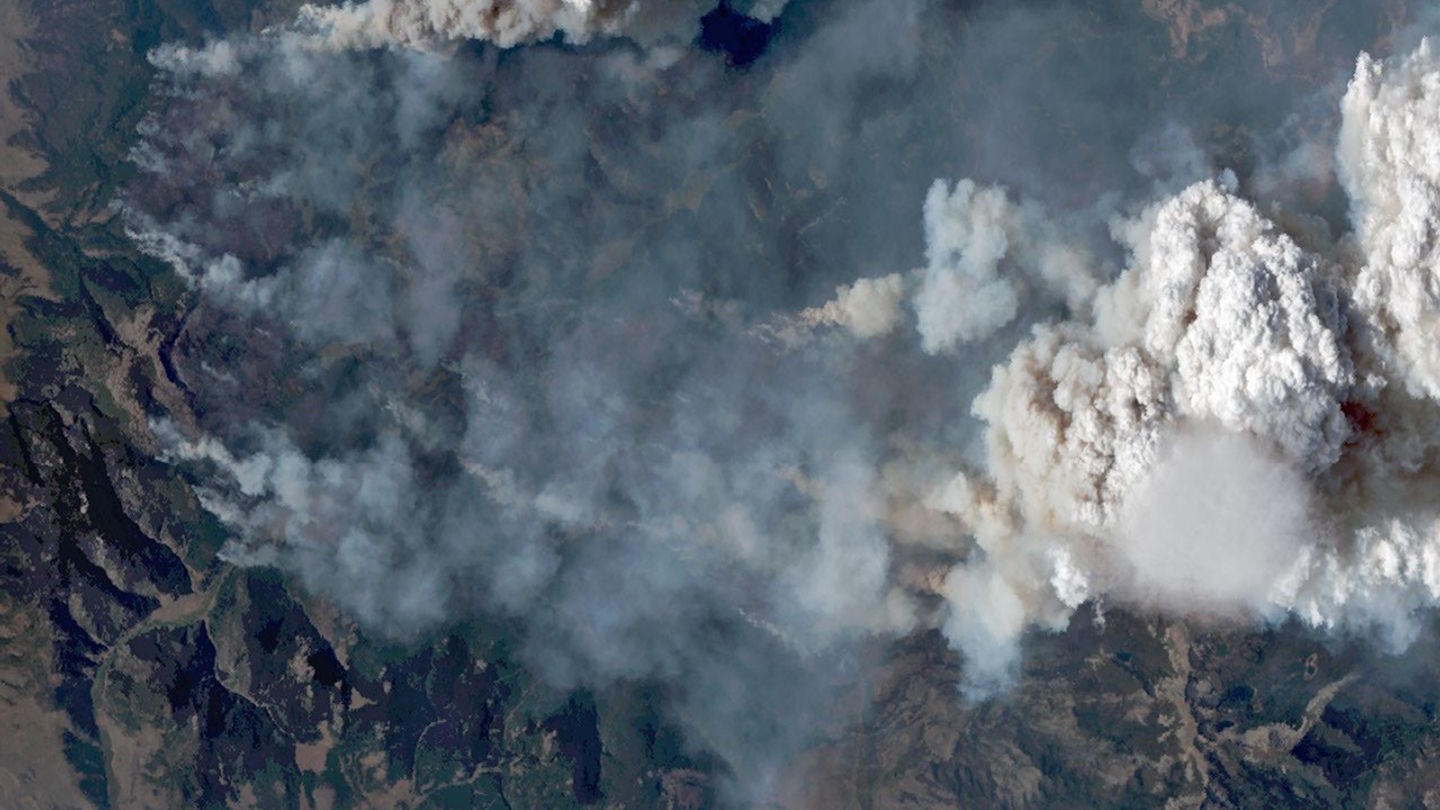
A thin cloud capped a Montana fire plume. NASA caught the veil in one clear scene
A NASA ER-2 captured a pileus cloud above Montana's Sand Creek fire at 5:40 p.m. on August 11, 2026. Shortwave infrared revealed active fire fronts in the same scene.
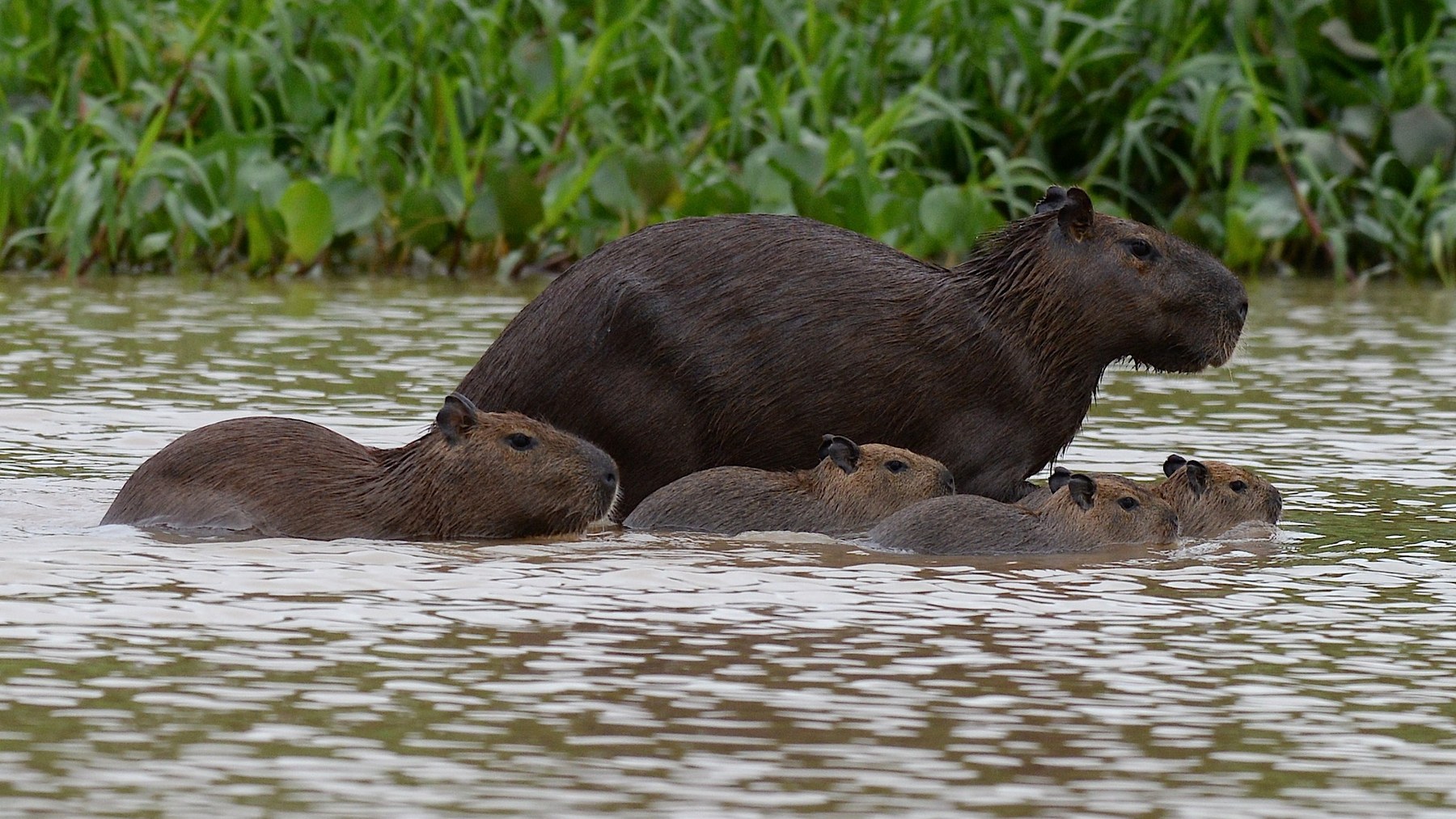
A capybara relative reached coastal Chile about 8.8 million years ago. Its route is still missing
A partial fossil molar from coastal Chile joins plant and soil evidence pointing to a locally wetter Atacama setting millions of years ago.
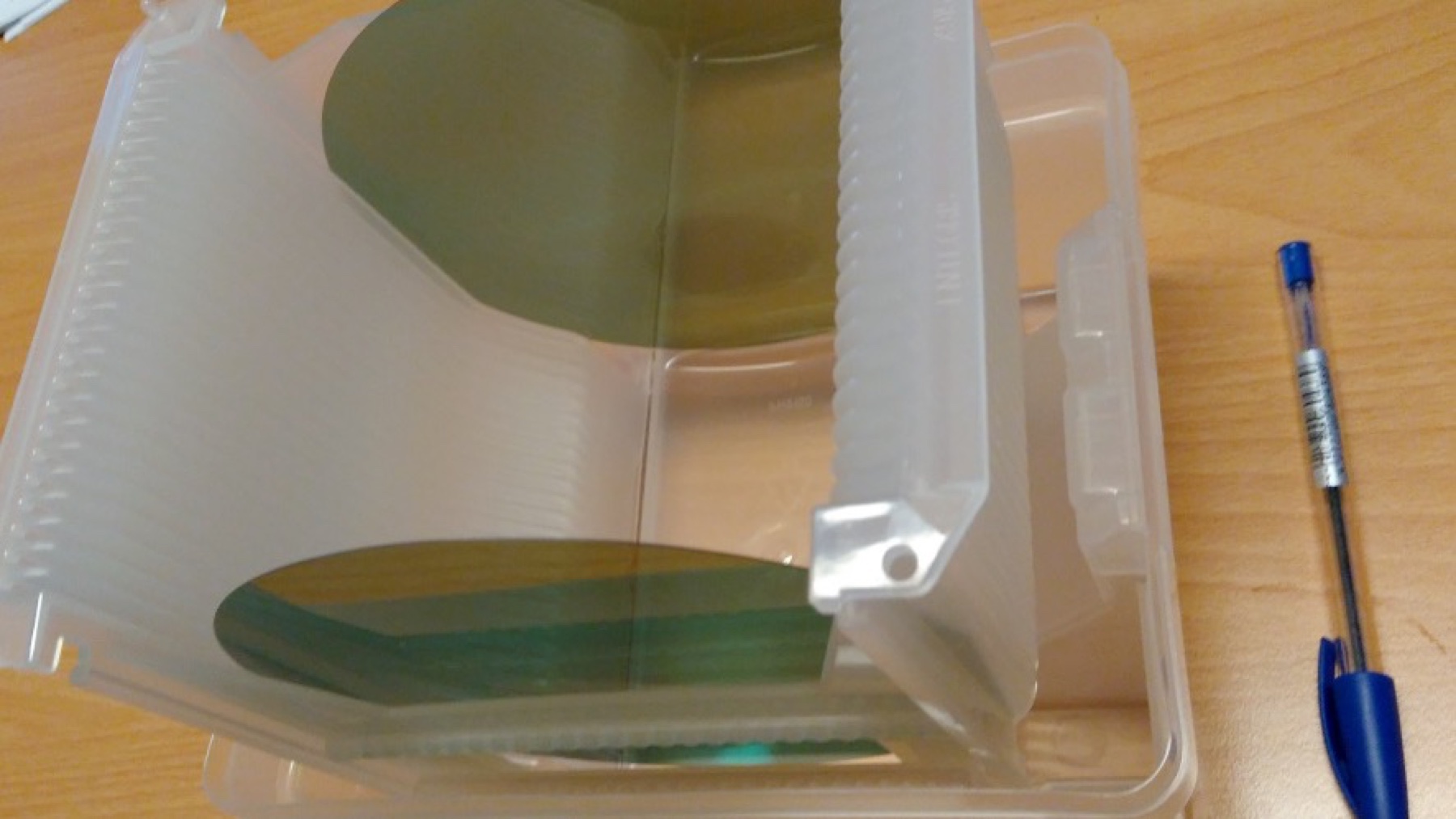
A transistor operated at 600°C. Its design then moved onto a six-inch wafer
Kyoto University and Phenitec Semiconductor transferred much of a high-temperature silicon carbide transistor process to a commercial plant. The first wafer-scale trial showed tight voltage uniformity in the center of a six-inch wafer.
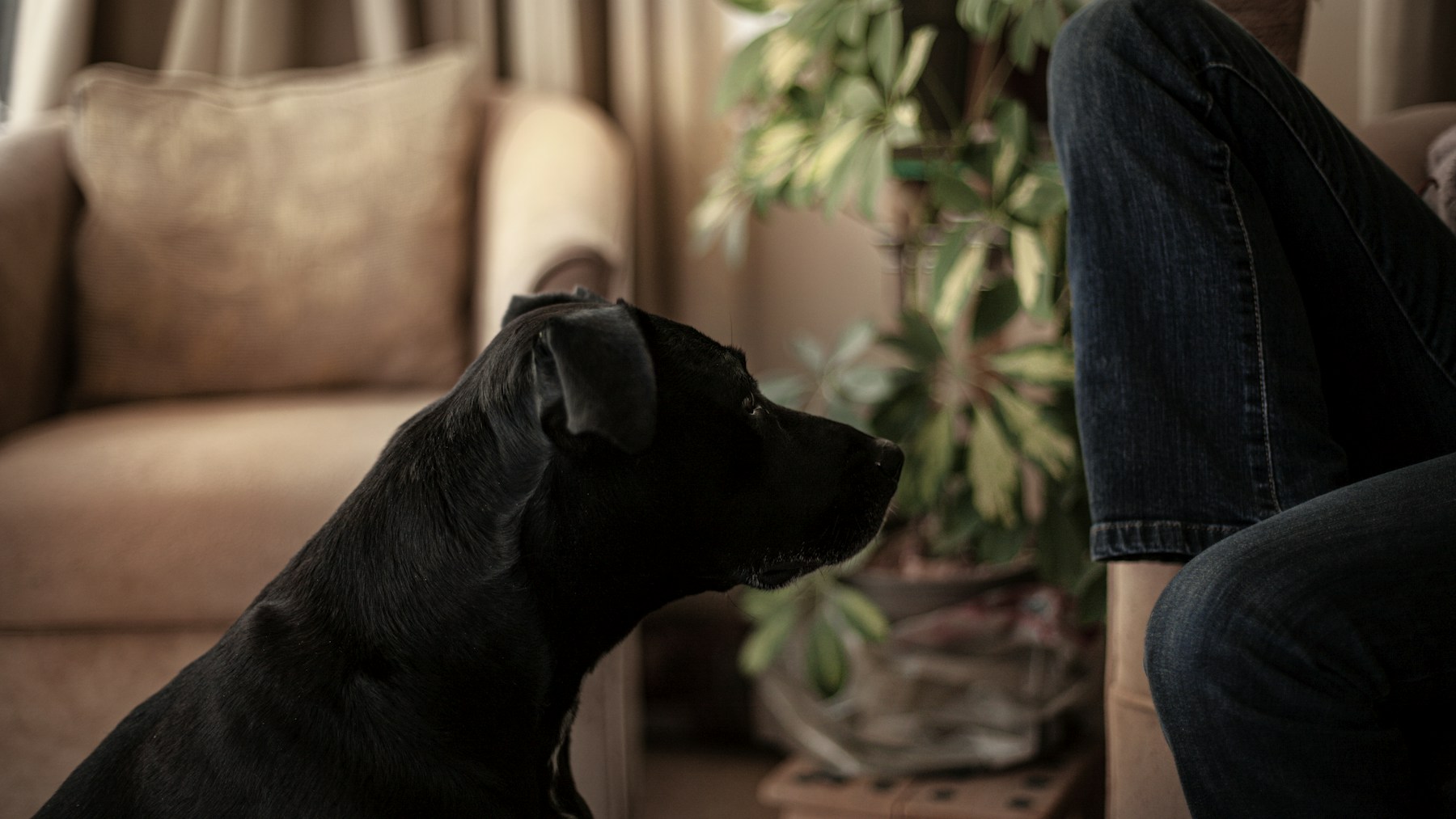
A person simulated crying for 20 seconds. Dogs looked longer, but did not make more contact
In a study of 112 pet, shelter and free-ranging dogs, simulated crying drew more visual attention than humming. Physical contact did not differ.
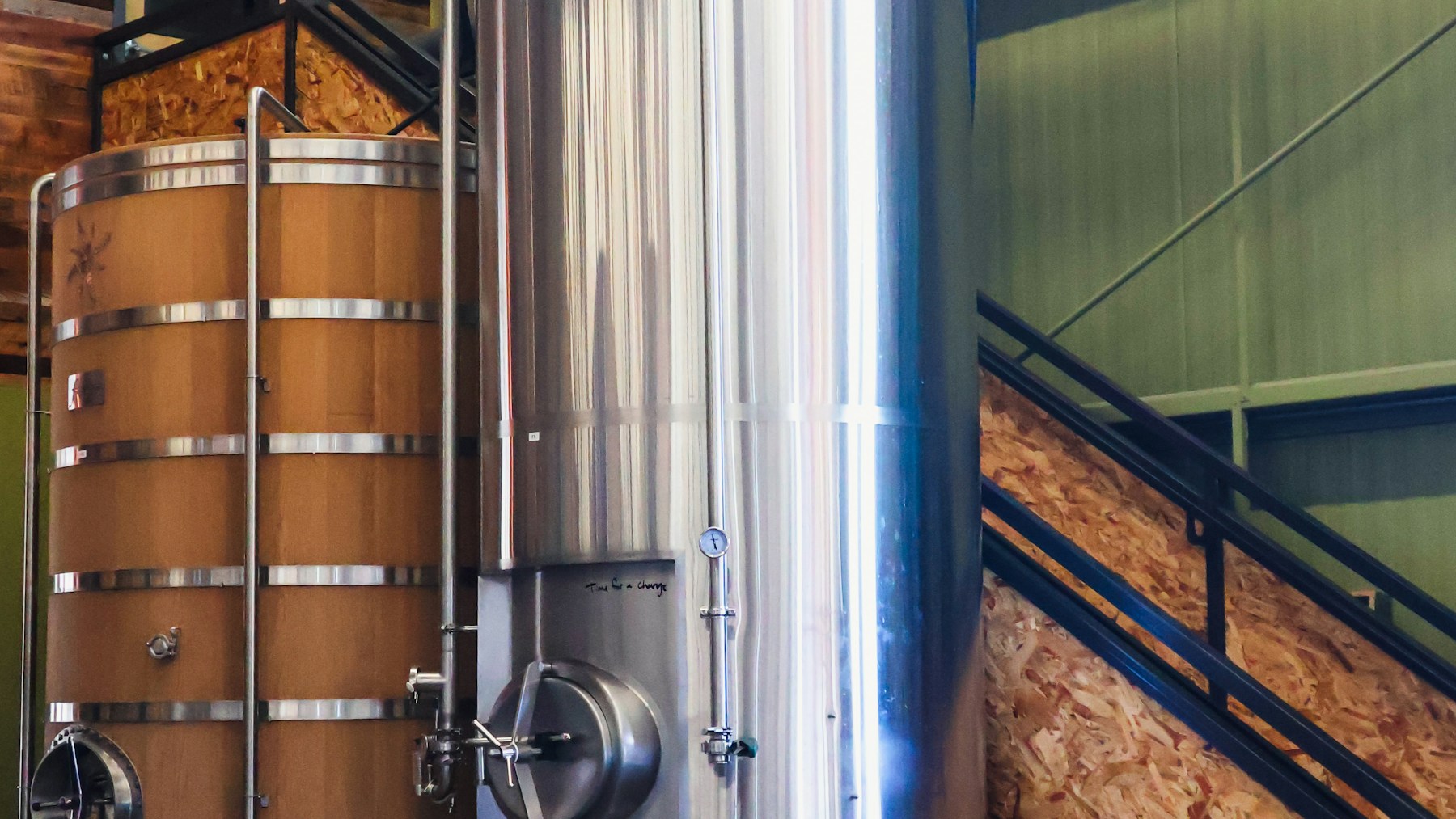
A Maine brewery’s CO₂ supplier ran short. Its recovery system has roots in NASA-funded Mars work
Maine Beer Company began recovering gas from fermentation after a 2021 supply shortage. The system’s lineage runs through NASA-funded work on making resources from Mars’ atmosphere.
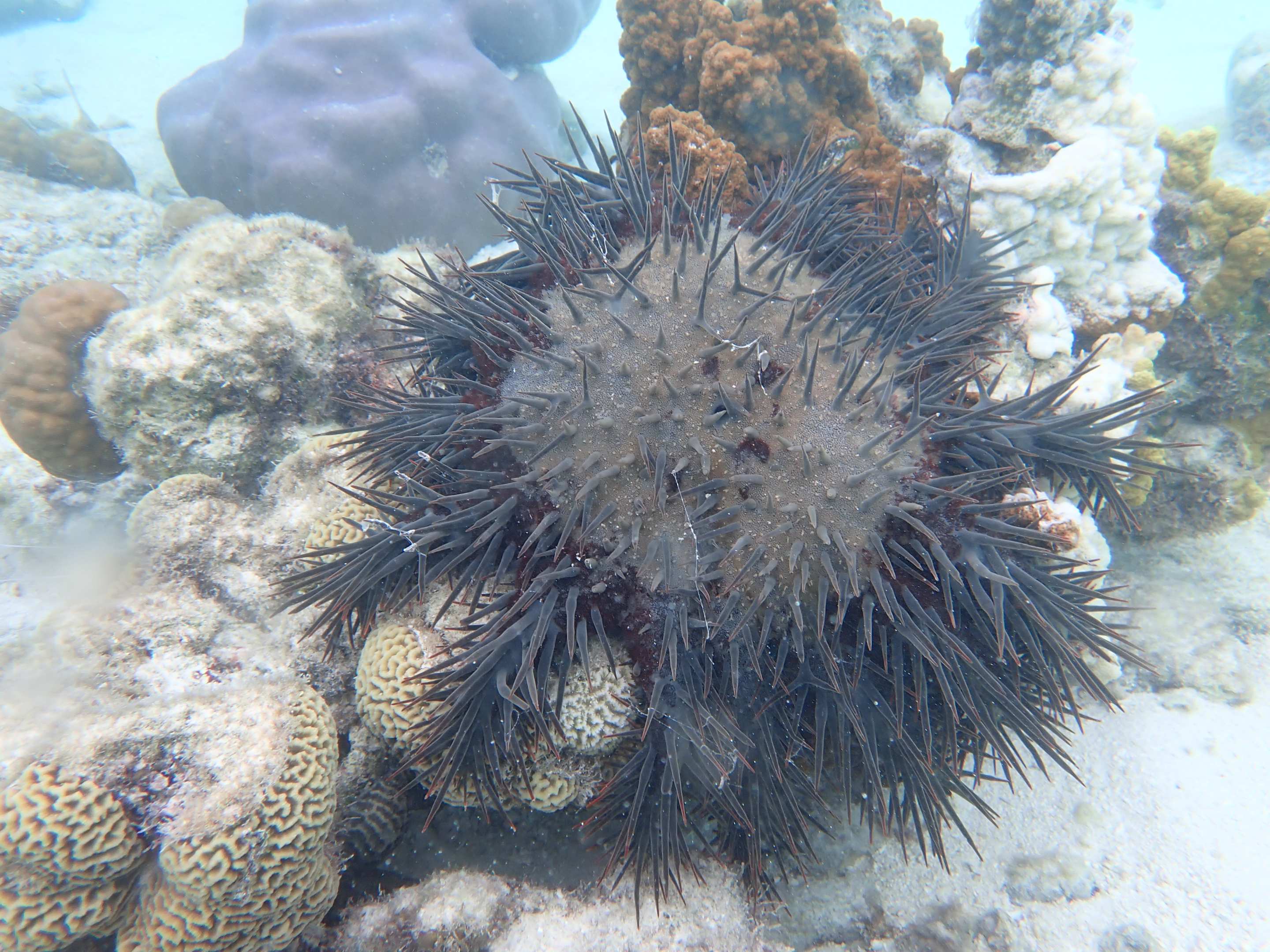
Most crown-of-thorns feeding scars kept a living rim. Regrowth was mostly Montipora
At low-density One Tree Reef sites, 72% of feeding scars retained living coral around the edge. After 22 weeks, 26% showed regrowth, predominantly in Montipora.
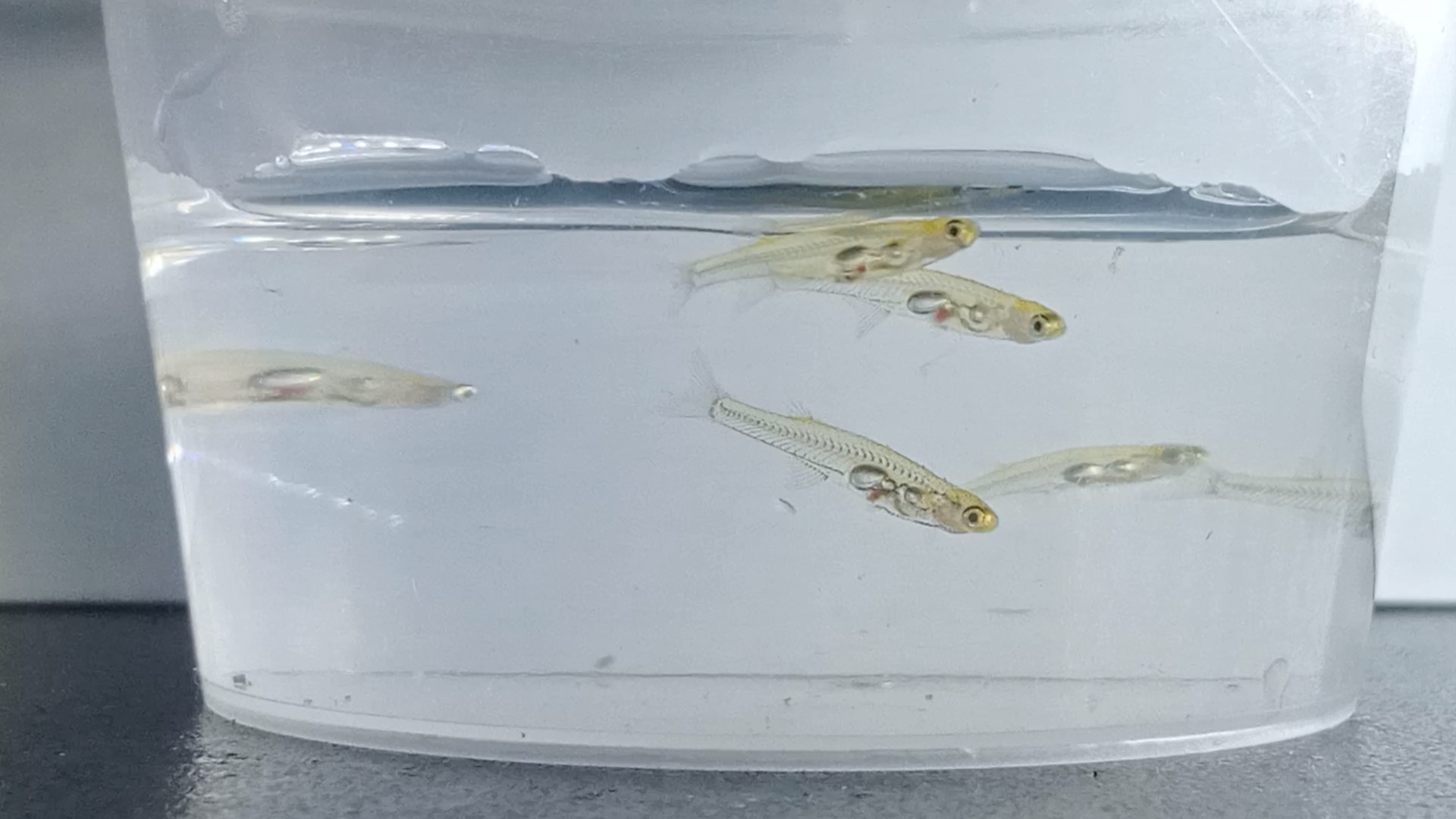
Virtual fish vanished. A glassfish withdrew only after they had swum like its own species
In a Nature experiment, one glassfish withdrew after five virtual fish escaped or disappeared, but only when the school had first moved with species-typical burst-and-glide motion.
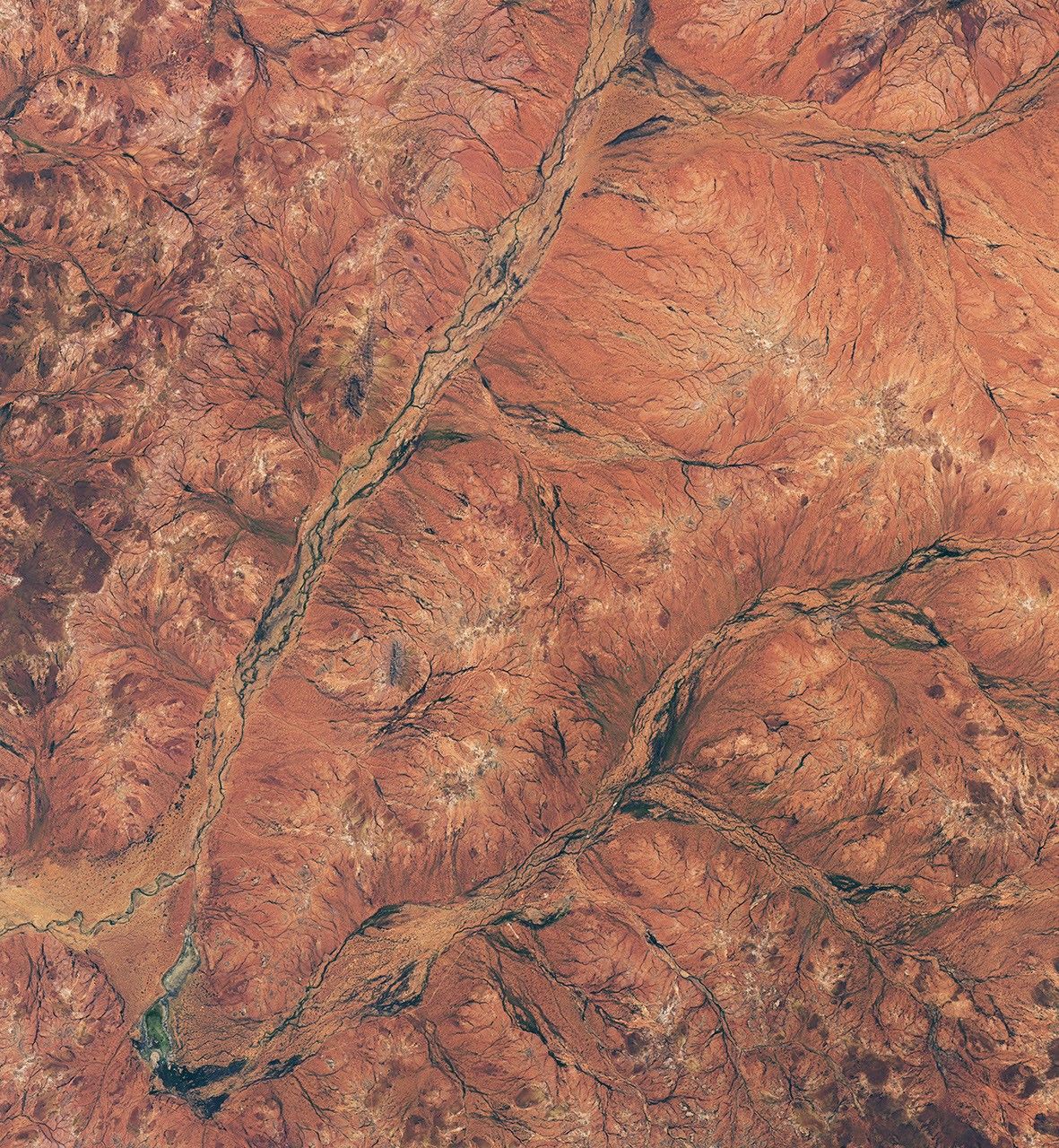
One stretch of Western Australia turned green enough for Landsat to see. Wildflowers reached giant radio telescopes
A NASA Landsat image shows green threading through rust-colored Western Australia, while a CSIRO land manager called the observatory display the strongest he had seen since 2008.
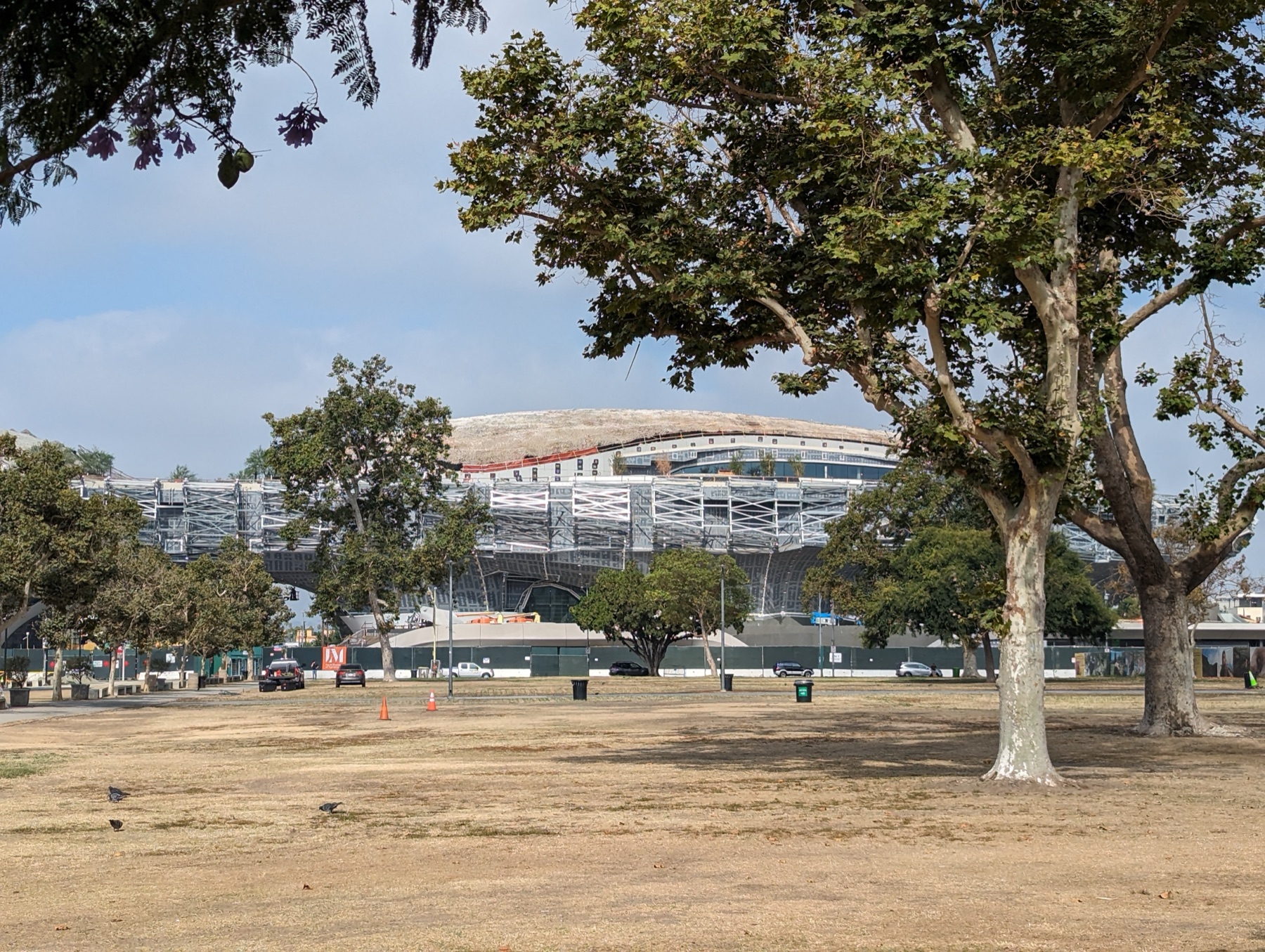
The Lucas Museum opens today. Star Wars occupies only part of its 100,000 square feet of galleries
The Lucas Museum of Narrative Art opens in Los Angeles with more than 1,300 works, Luke's Landspeeder and a research library holding 30,000-plus comic books.
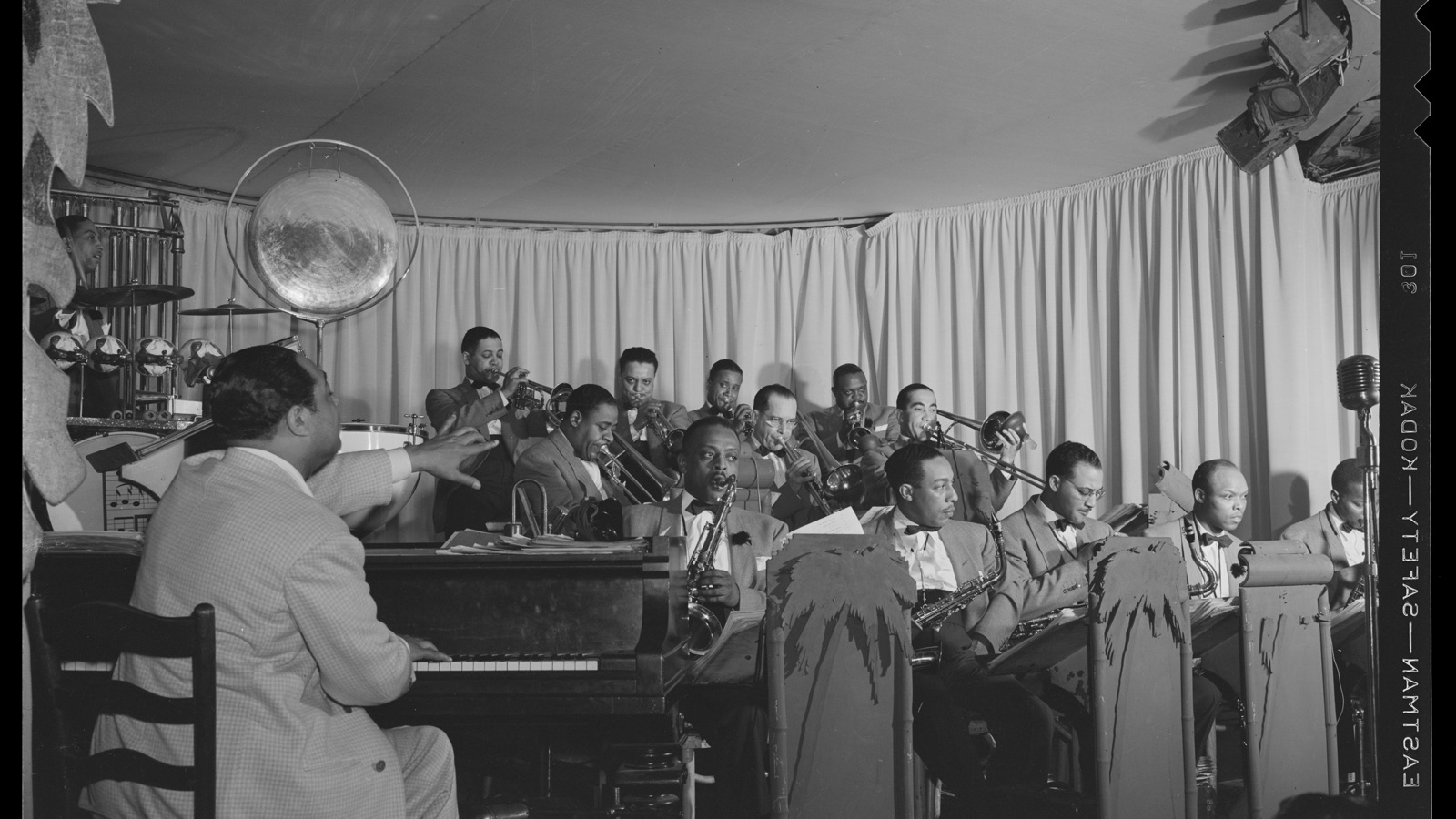
A film from a 1972 party inside Duke Ellington's townhouse won a $200,000 prize
William Greaves filmed a gathering of Harlem Renaissance figures inside Duke Ellington's townhouse. His family finished the documentary more than 50 years later.
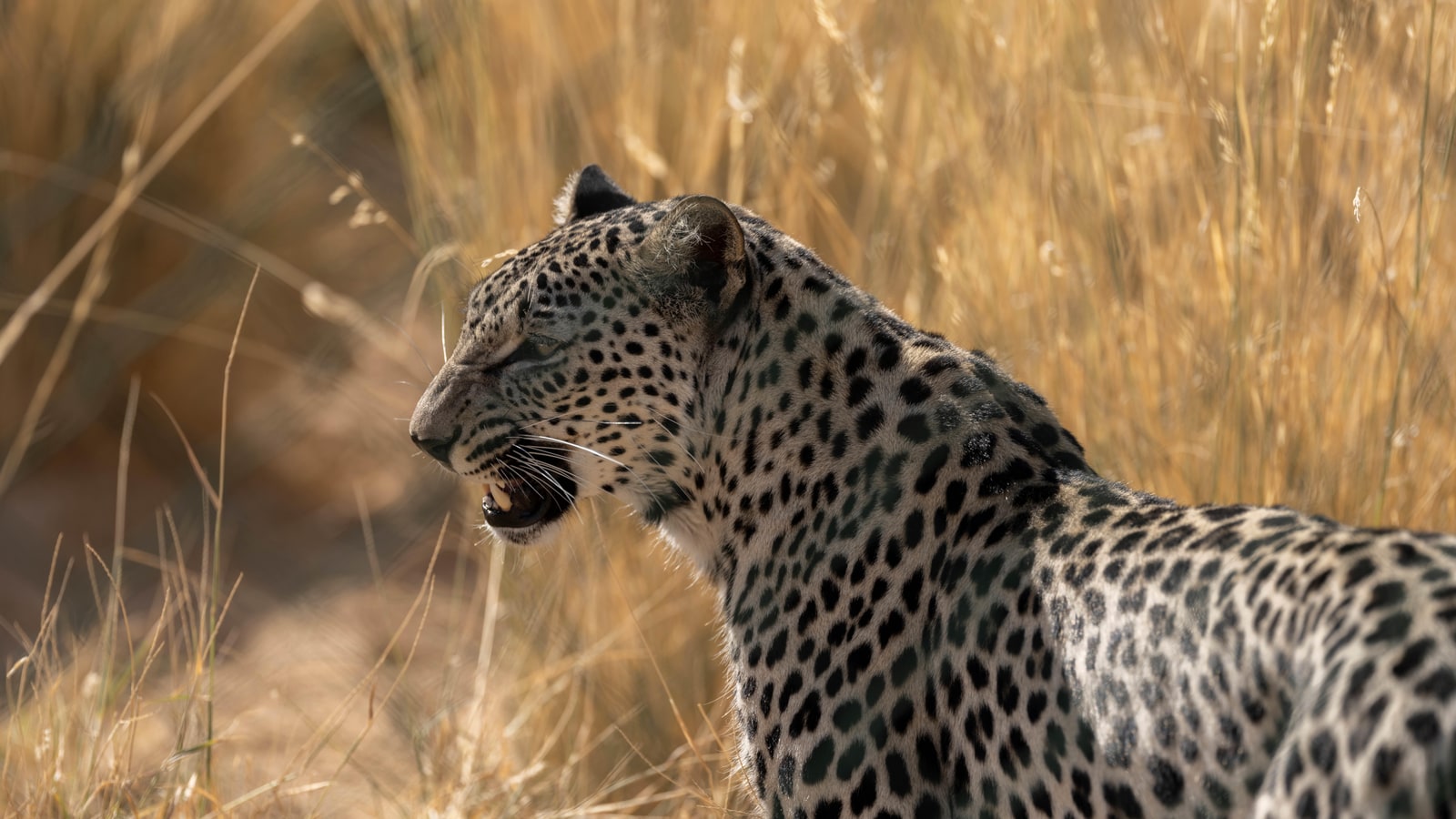
Only 100 to 120 Arabian leopards may remain. A breeding pair is expected in Washington
A breeding pair is expected at the Smithsonian's National Zoo in 2028. The agreement says any cubs born there will eventually move to Saudi Arabia.
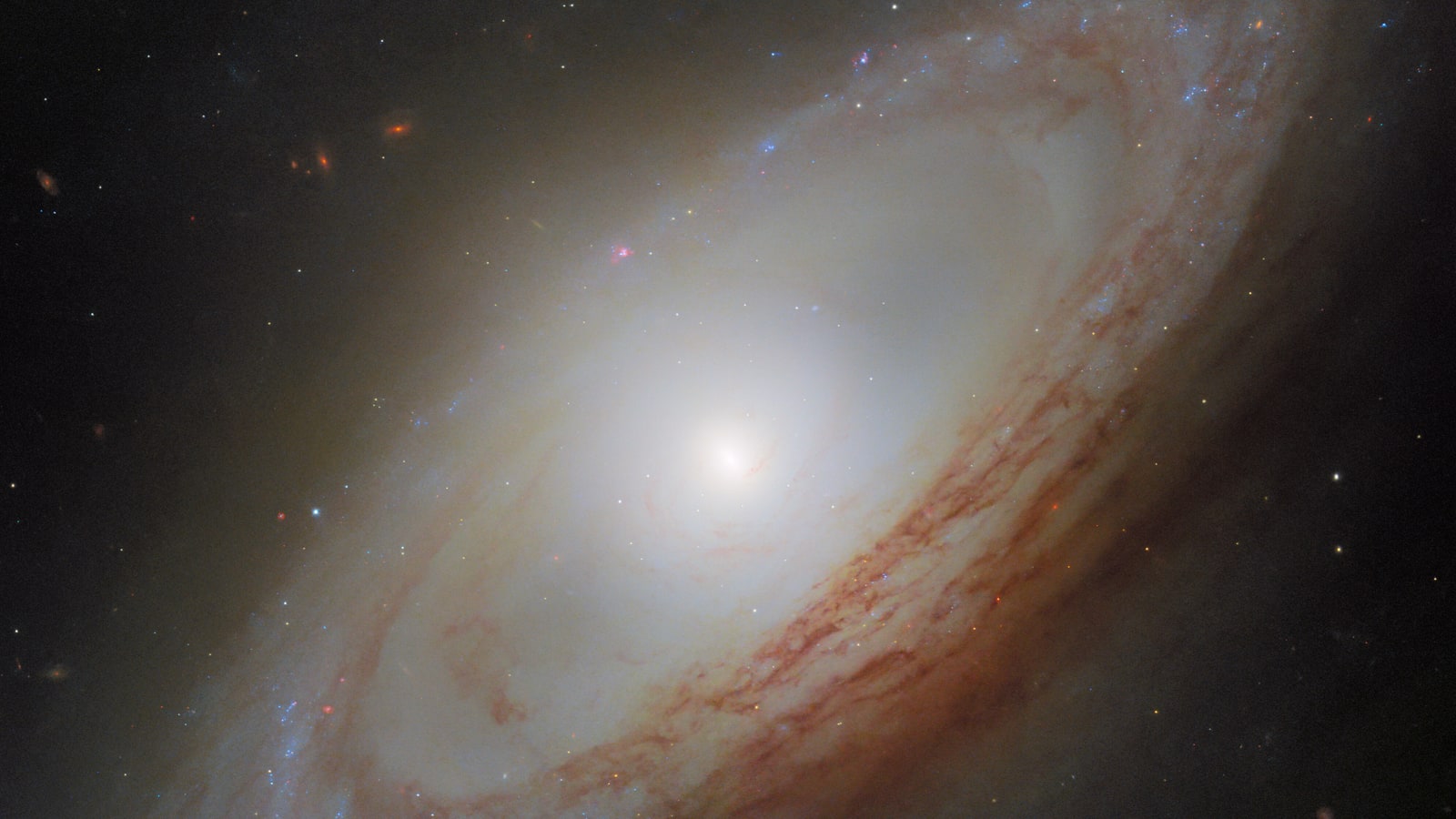
This spiral galaxy's center rotates at a right angle to the rest
Hubble's new portrait of NGC 4698 shows an elongated center crossing its dusty disk. Earlier observations revealed that its inner stars and gas turn sideways.
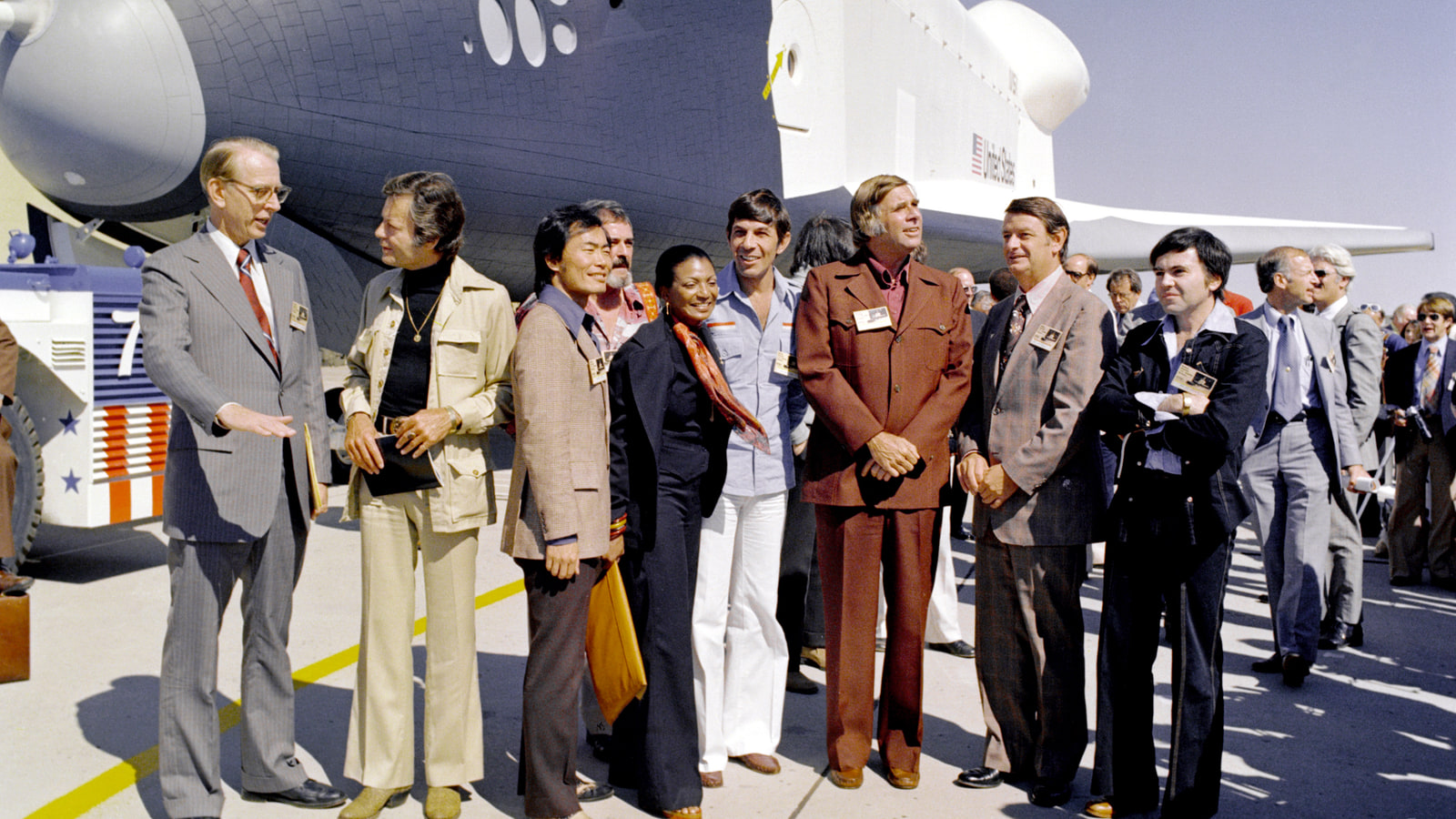
Star Trek fans renamed NASA's first shuttle. It never went to space
Nearly 100,000 letters helped turn Constitution into Enterprise. The test orbiter never reached orbit, but its five free flights proved a shuttle could glide home.
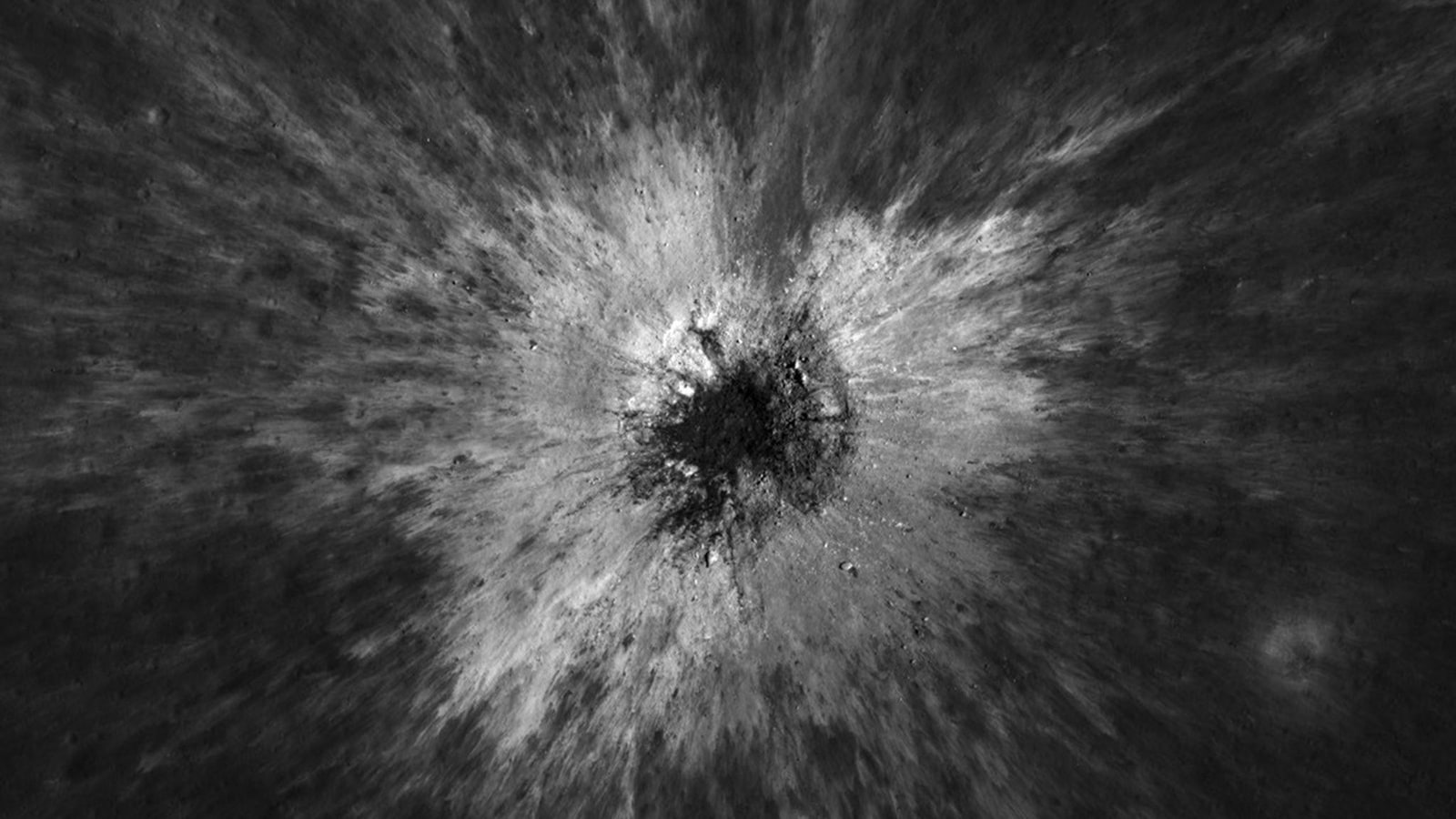
A routine map check found a new 728-foot crater on the Moon
McGetchin crater formed in spring 2024, but scientists found it later in a change map. The impact also left a 4-mile nighttime cold spot.
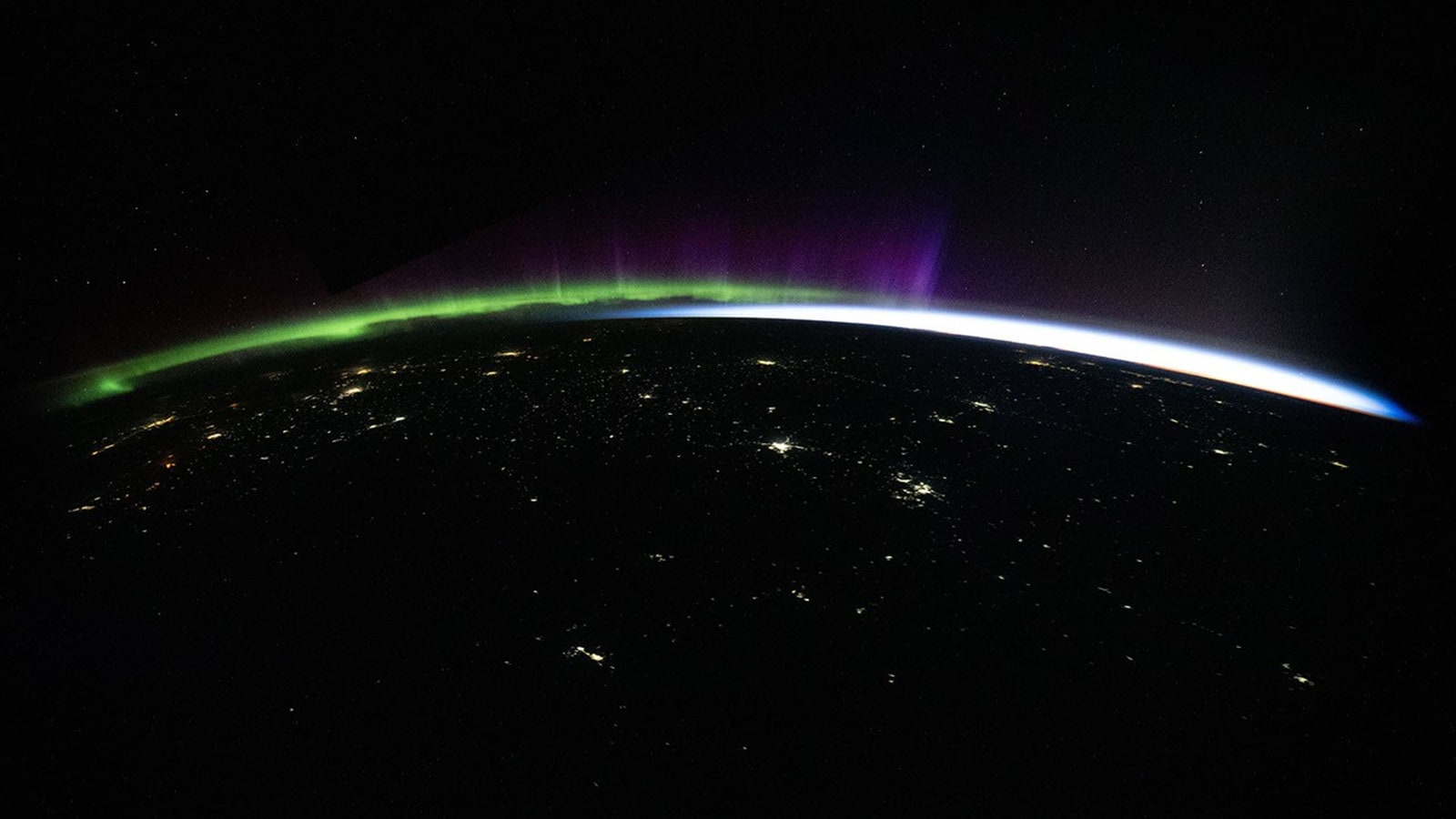
An astronaut photographed purple aurora from 255 miles up. Its color is a clue
The September 7 frame stacks city lights, white airglow and aurora above Central Asia. Different gases and altitudes make the colors.
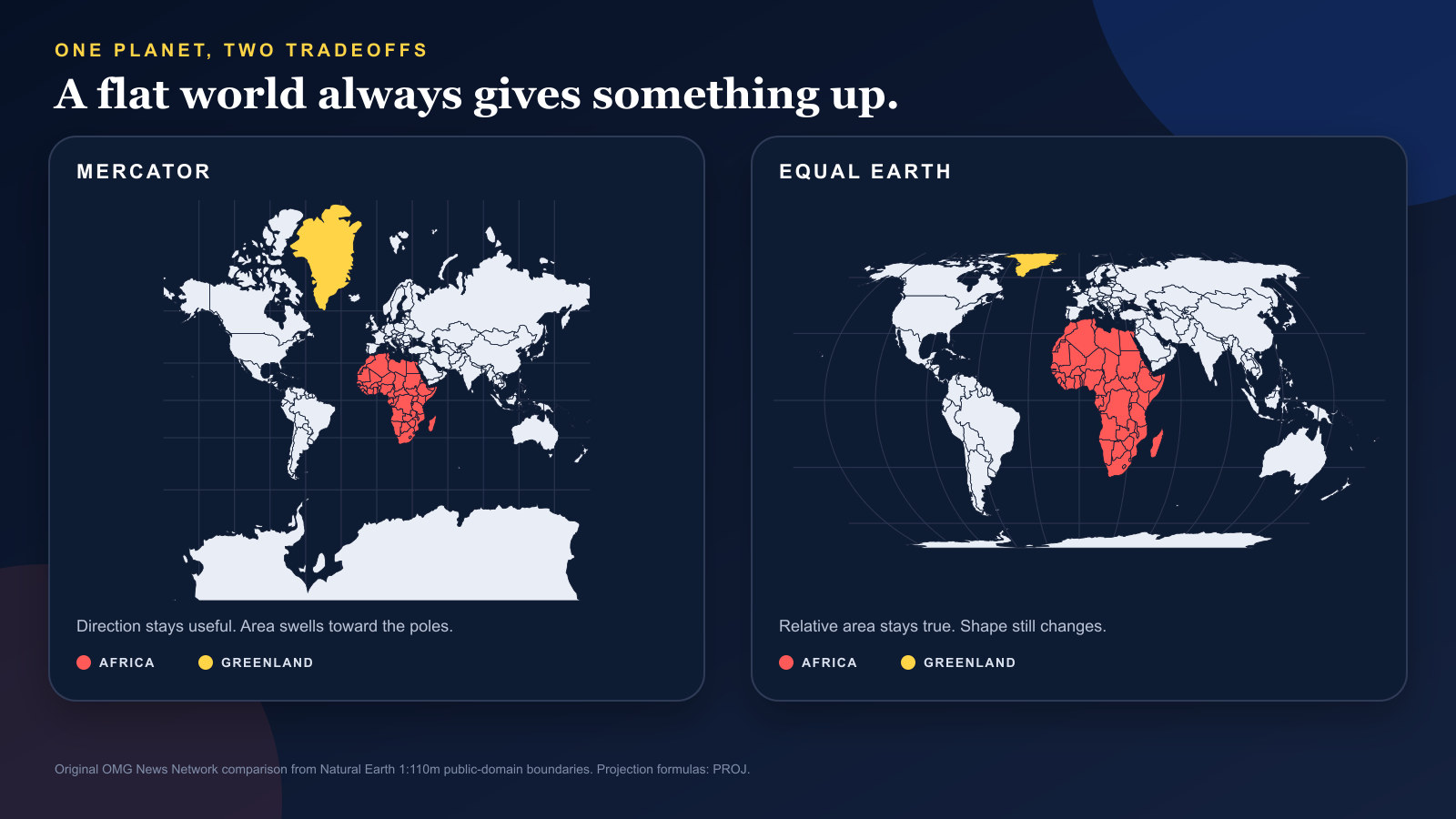
The UN voted 164 to 1 for maps that show Africa at its true relative size
The resolution encourages Equal Earth and other equal-area maps when size matters. It does not ban Mercator, a projection built for navigation.
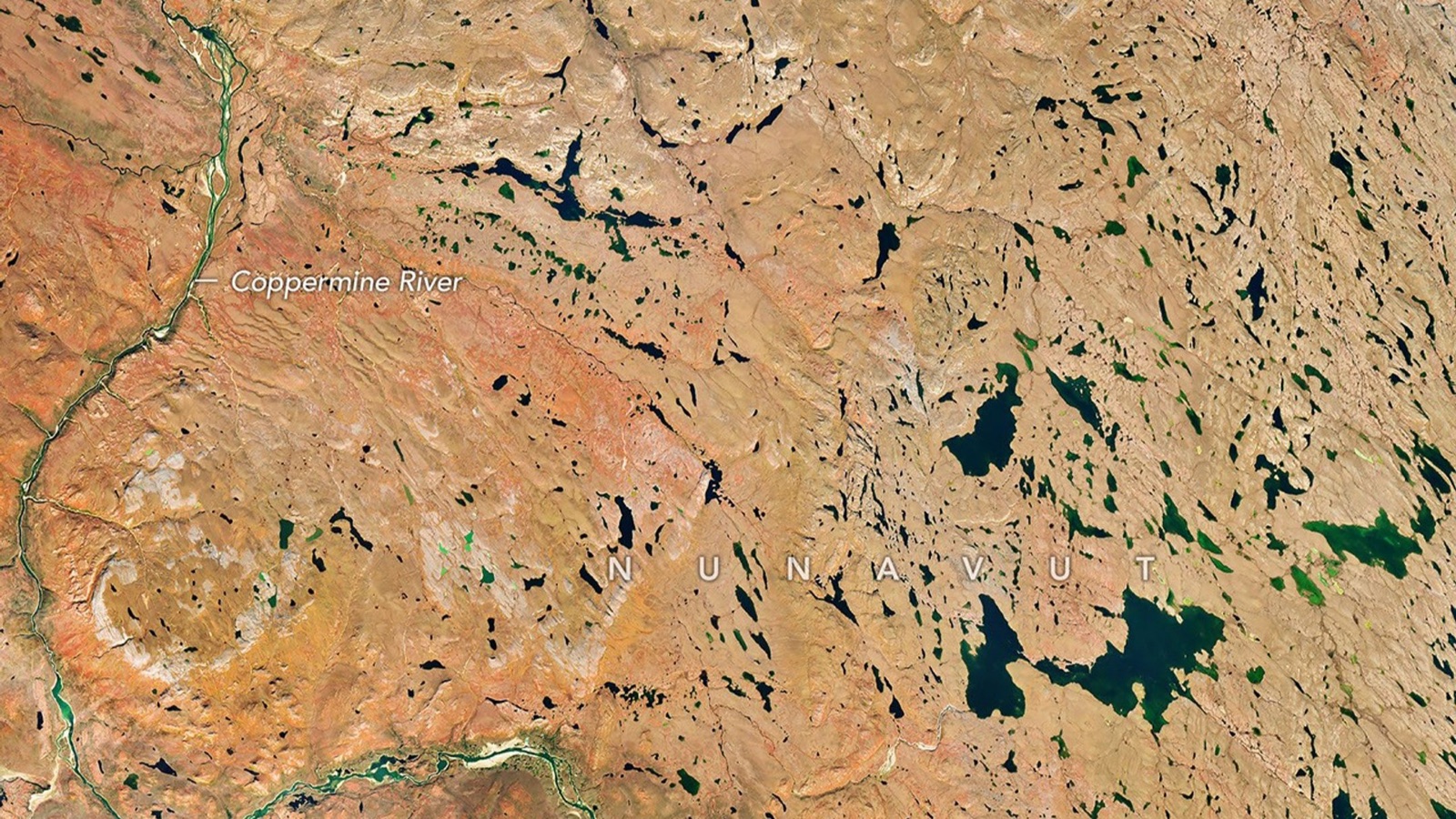
This Nunavut tundra changed color in 41 days. Peak autumn can last a week or less
Landsat 9 saw the same Coppermine River landscape on July 27 and September 6, as green tundra gave way to reds, oranges and yellows.
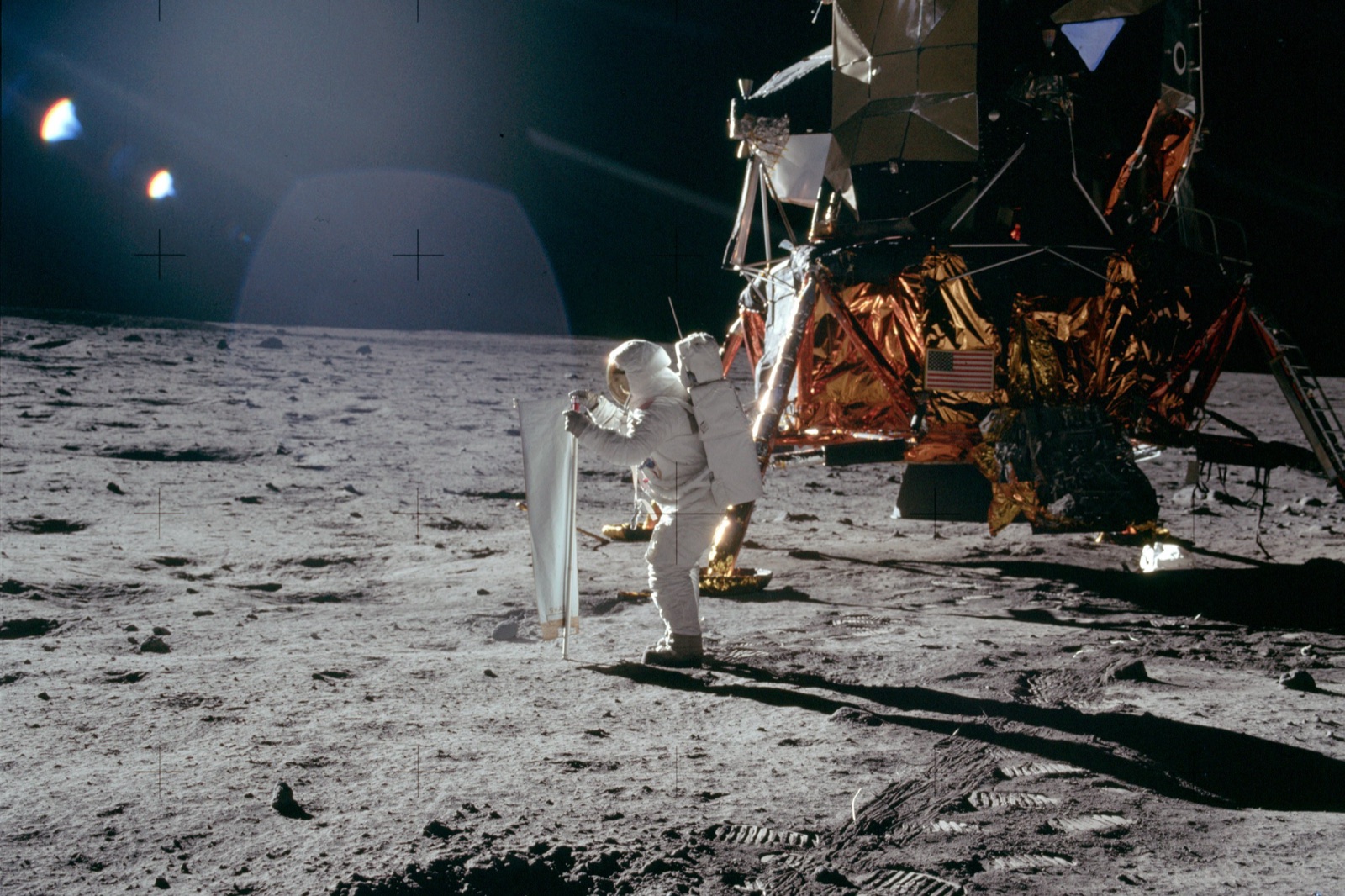
Apollo 11 held up a sheet of foil for 77 minutes. It came home carrying solar wind
Before Apollo 11 raised the flag, Buzz Aldrin aimed a 30-by-140-centimeter aluminum sheet at the Sun. The particles it trapped returned to Earth for analysis.
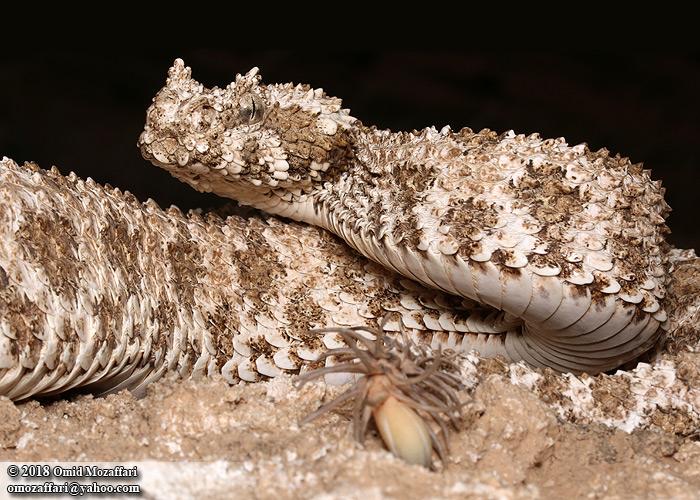
This viper flicks a fake spider at birds. Its tailbones look ordinary
X-ray computed tomography of the spider-tailed horned viper holotype found no specialized skeletal structure beneath the snake's elaborate bird-luring appendage.
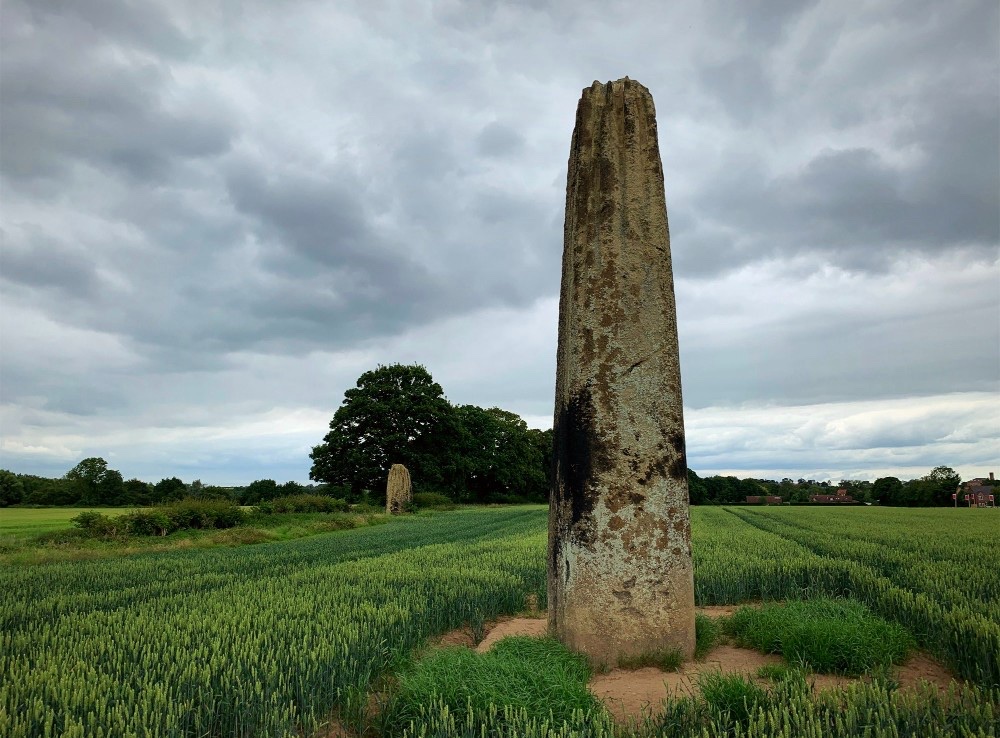
Tiny mineral grains traced Yorkshire’s Devil’s Arrows to rocks 11 miles away
Zircon and apatite fingerprints link Britain’s tallest surviving standing-stone row to Brimham Rocks, while regional ice-flow evidence rules out a glacier making that journey.
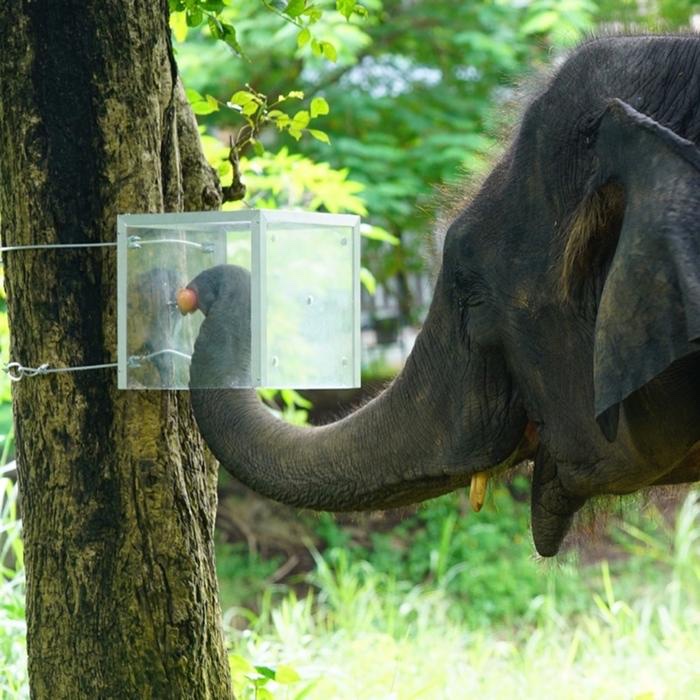
The opening moved. Sixteen elephants had to abandon the route that worked
A box-rotation experiment found that Asian elephants paused when a familiar opening changed direction, then improved as the new route became familiar.
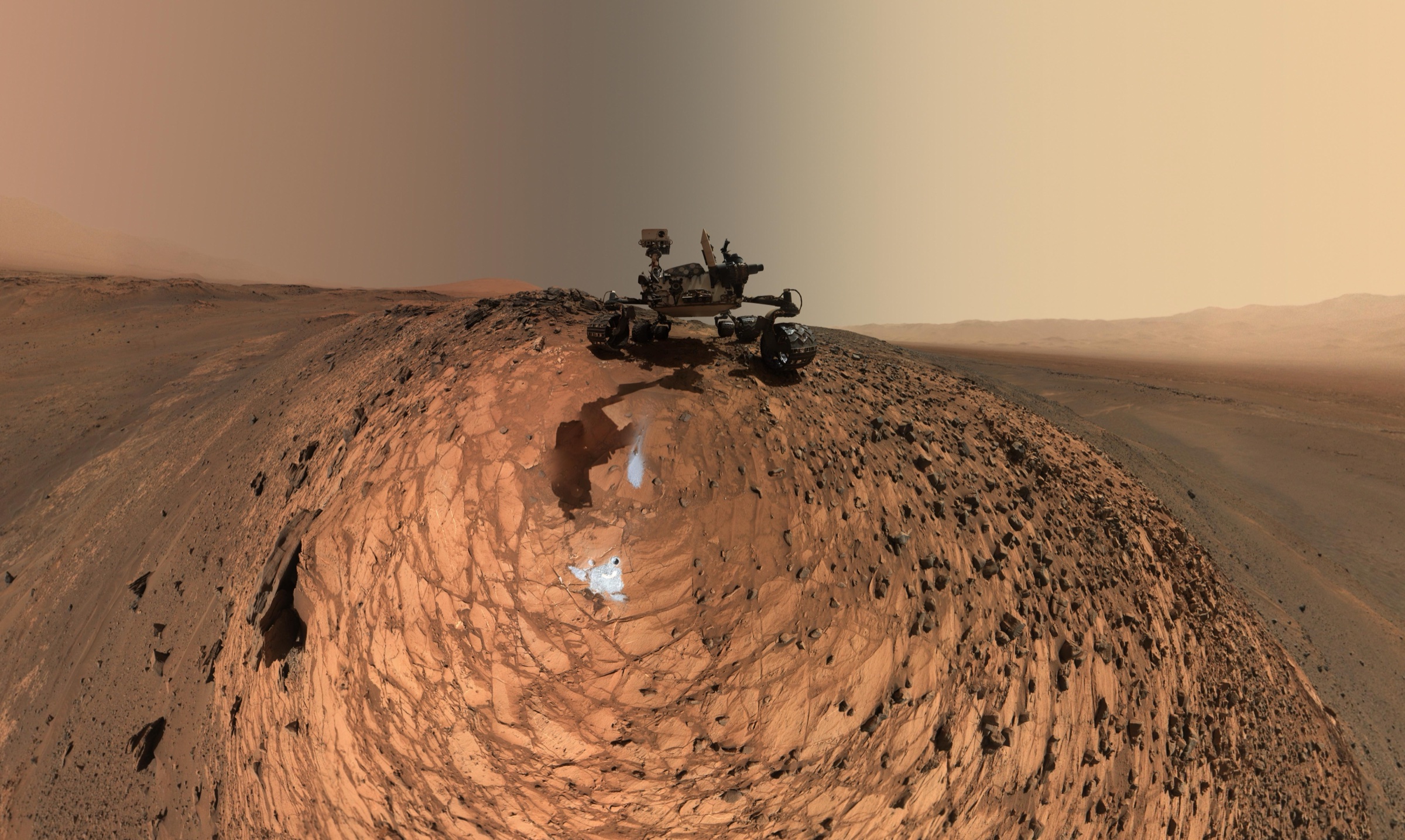
Curiosity reached 5,000 Martian days after climbing one vertical kilometer from its start
NASA’s Curiosity rover reached its 5,000th sol three days after gaining one vertical kilometer from its landing site, while examining a wind-shaped Martian ripple.
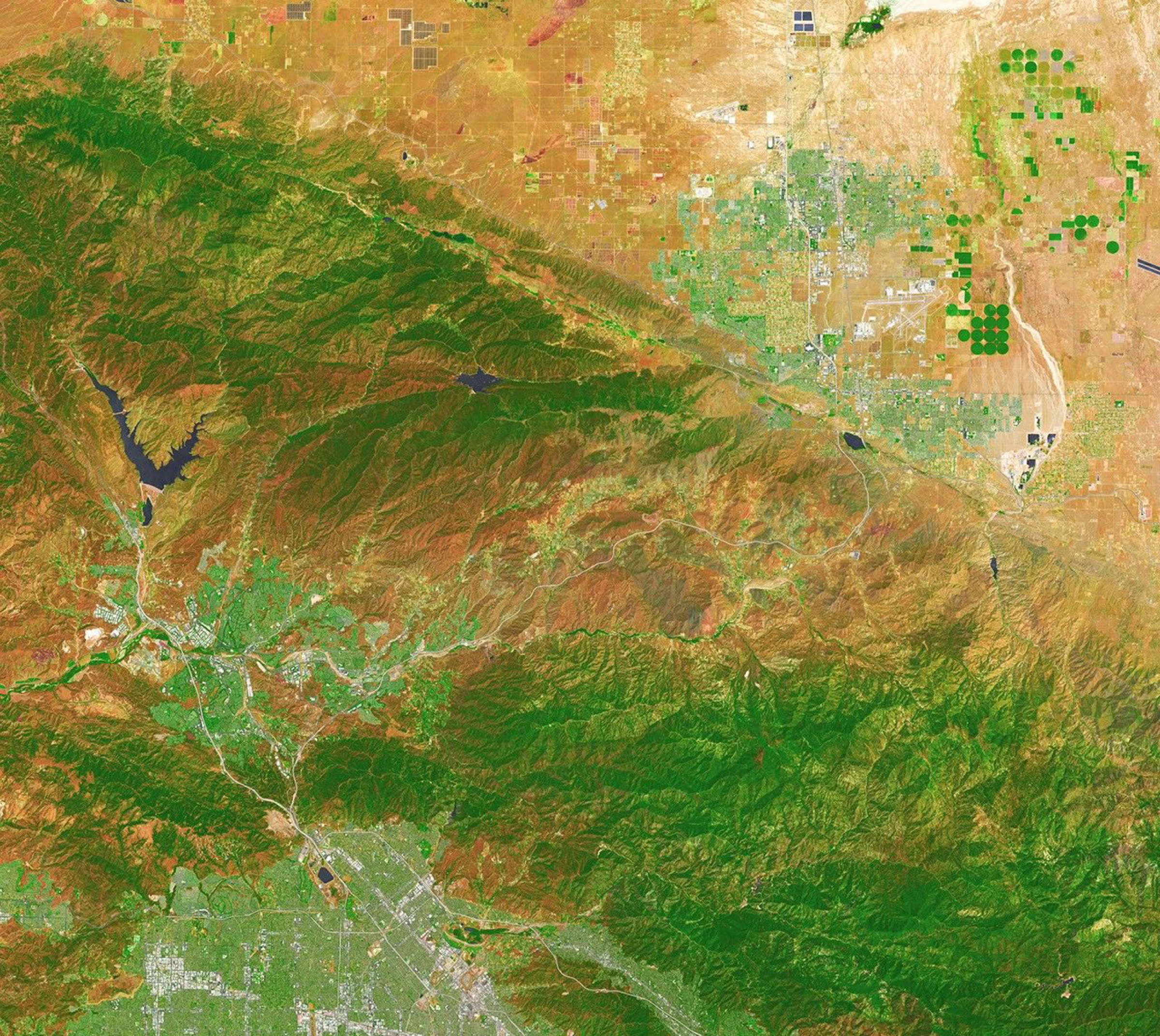
Star Trek’s famous alien rocks look like gray scratches from orbit
Landsat 9 turned a longtime science-fiction backdrop into a patch of curved gray stripes, revealing the real geology beneath the fiction.
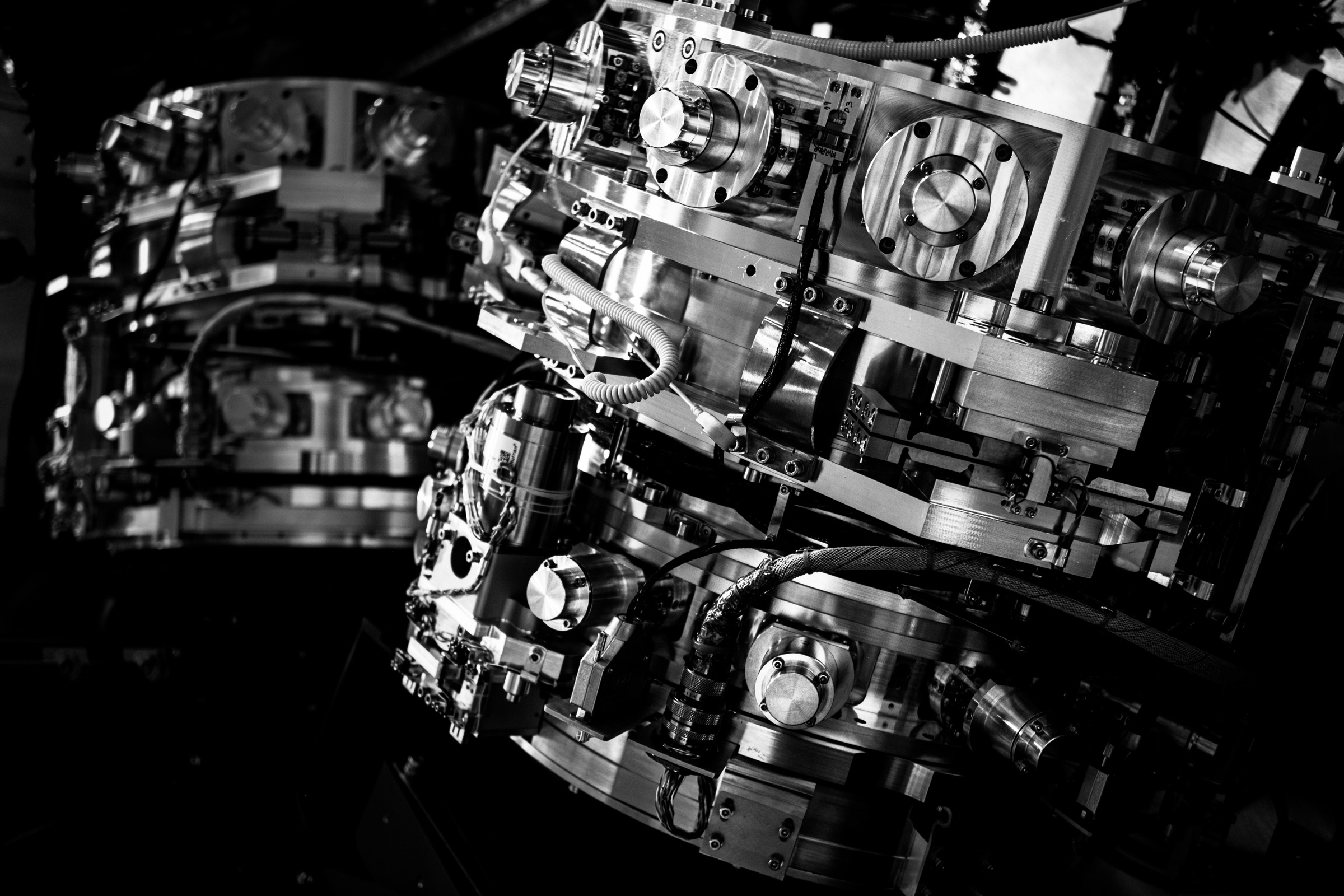
This 10-metric-ton-plus instrument can sort light from about 1,000 cosmic targets at once
MOONS has made its first observations at the Very Large Telescope. Its robotic fibers feed two spectrographs housed inside one exceptionally cold machine.
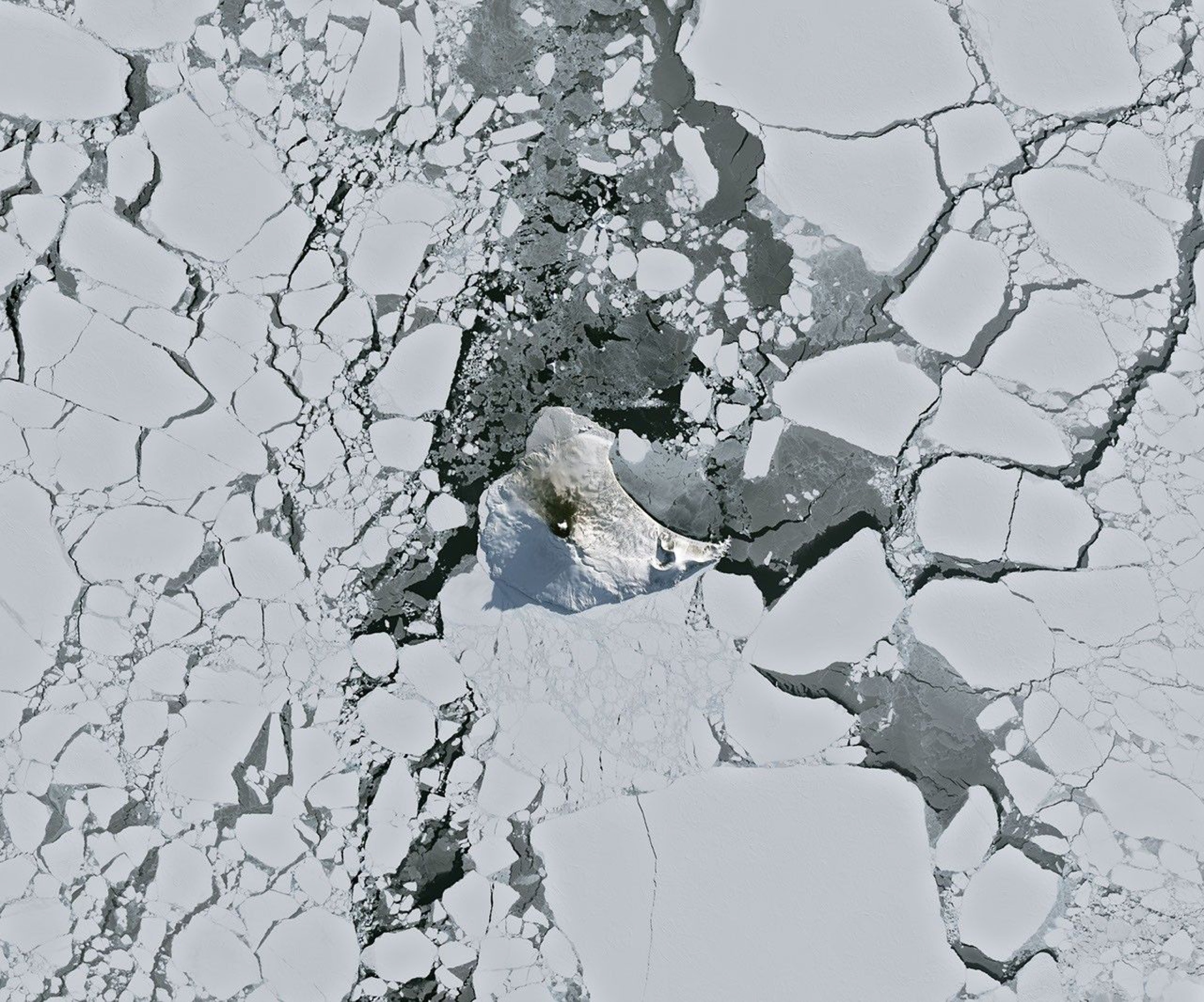
The red speck on this frozen island marks one of Earth’s rare persistent lava lakes
Landsat found heat at Mount Michael’s summit on August 24. Eight days later, the same volcano drew a V-shaped wake through the clouds.
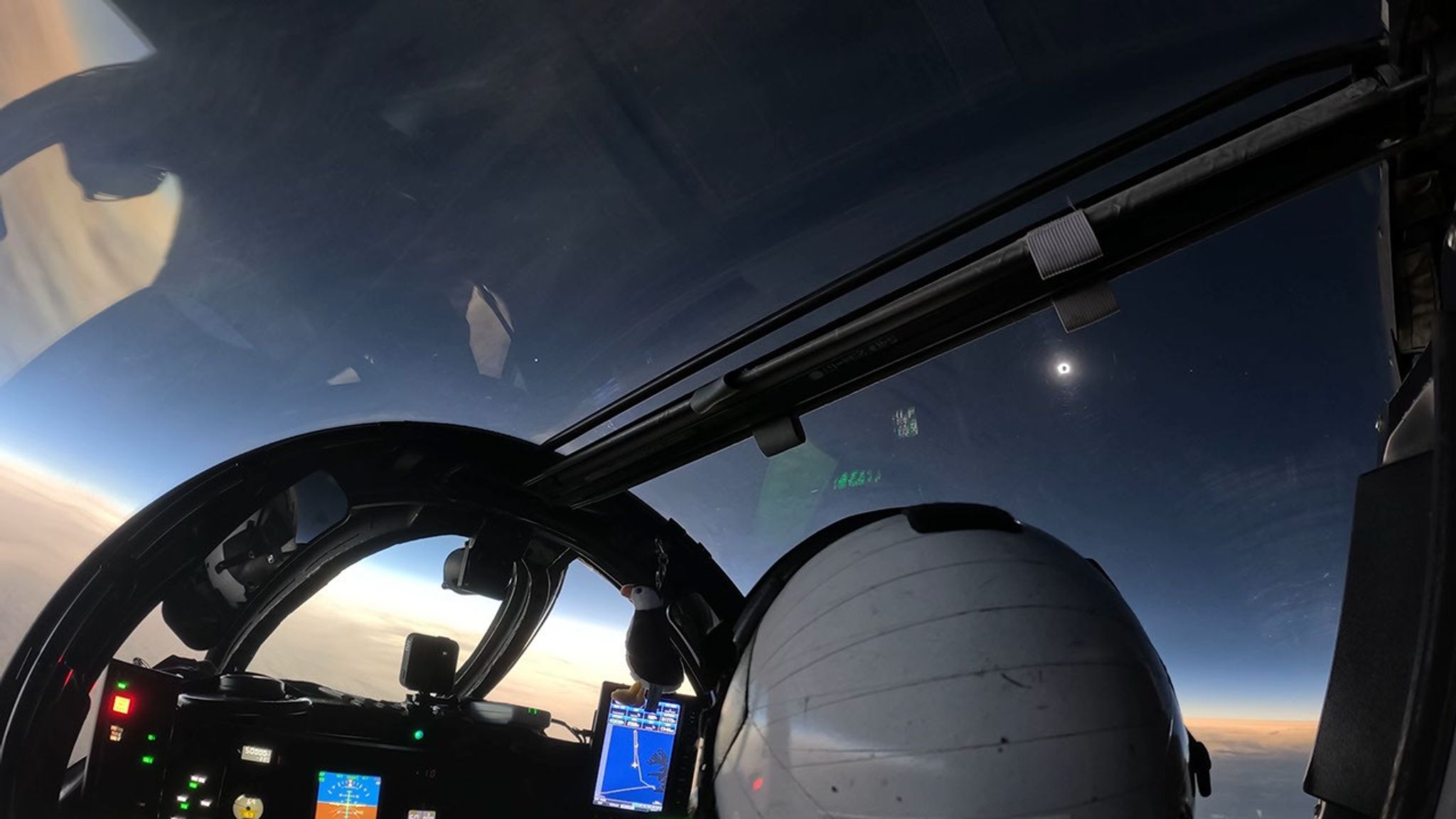
A NASA jet flew into the Moon’s shadow and caught three planets in one darkened sky
A cockpit camera aboard NASA’s WB-57 recorded the eclipsed Sun, Venus, Jupiter, Mercury, and the bright world beyond totality in a single frame.
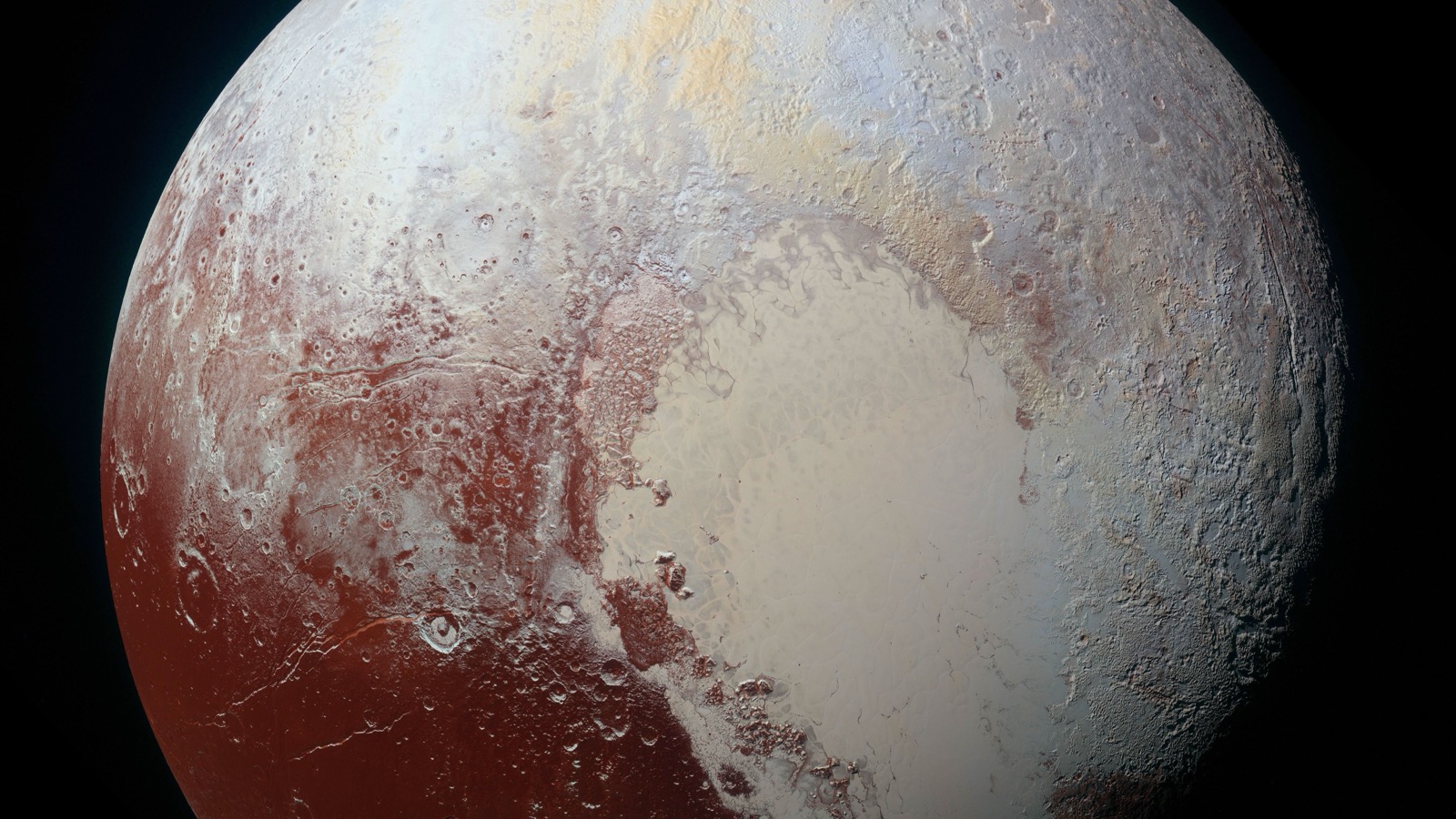
Pluto’s famous heart holds two geologically different landscapes. Enhanced color makes the divide hard to miss
A New Horizons portrait shows that Pluto’s bright heart shape contains two geologically different regions, including an unusually smooth western lobe.
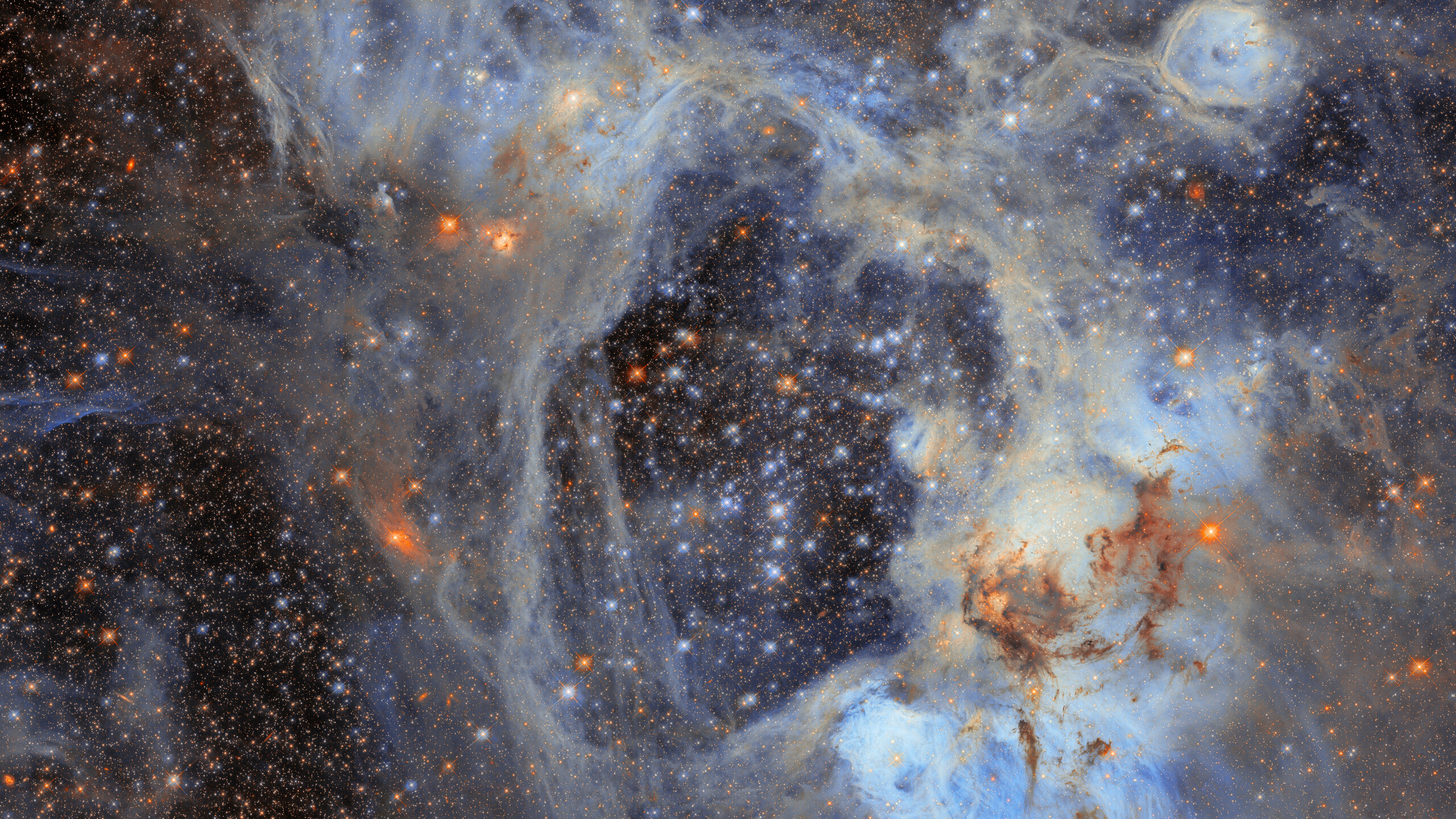
Hubble's new N44 portrait holds nearly half a million stars and one enormous hollow
The vast cavity was carved by stellar winds and supernovae. Along its compressed rim, another generation of stars is taking shape.
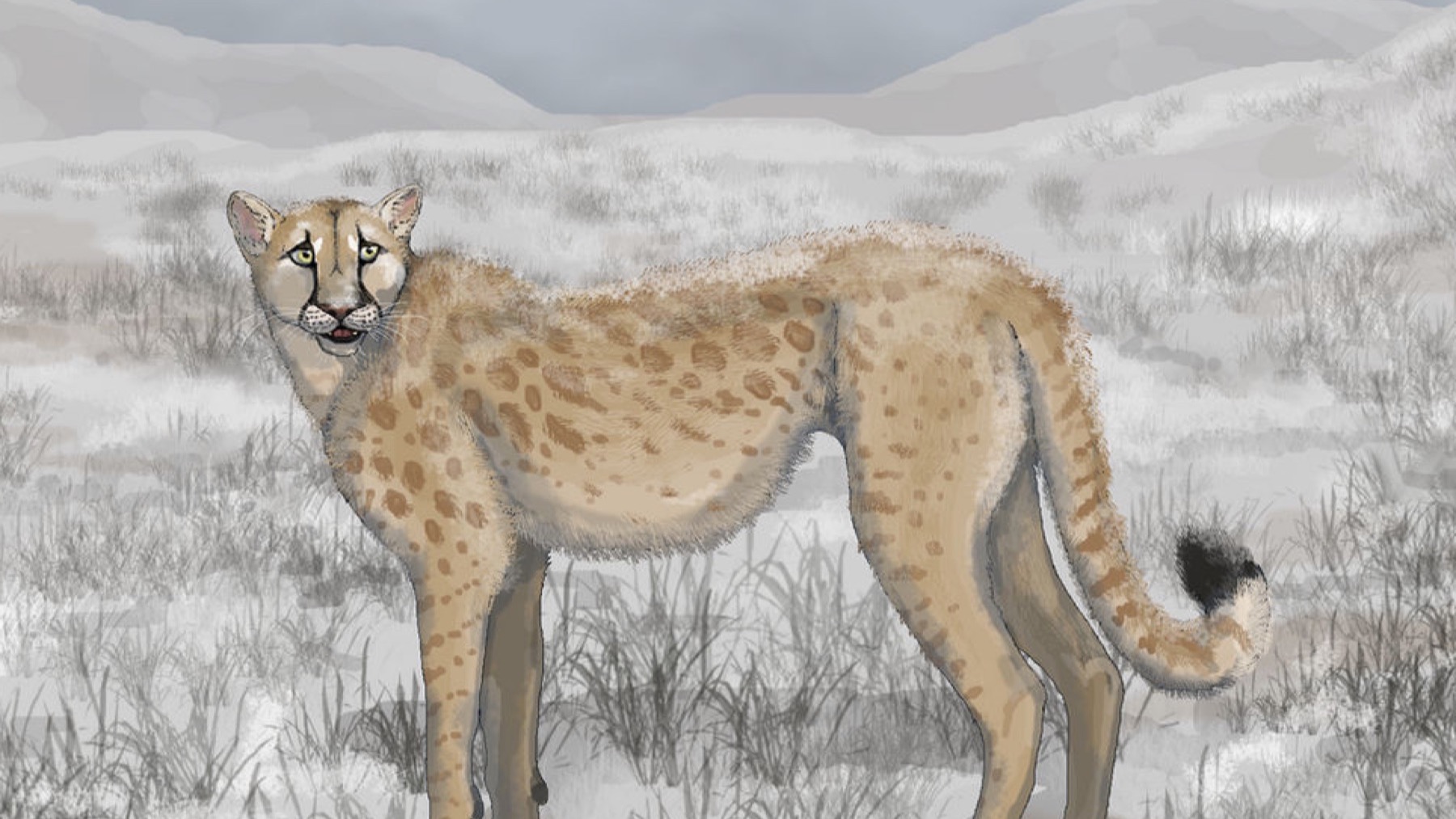
The “American cheetah” was a puma cousin. In the Arctic, it likely ate fish
Ancient DNA places Miracinonyx beside the puma, while chemical evidence suggests its northern populations occupied an unexpectedly aquatic food chain.
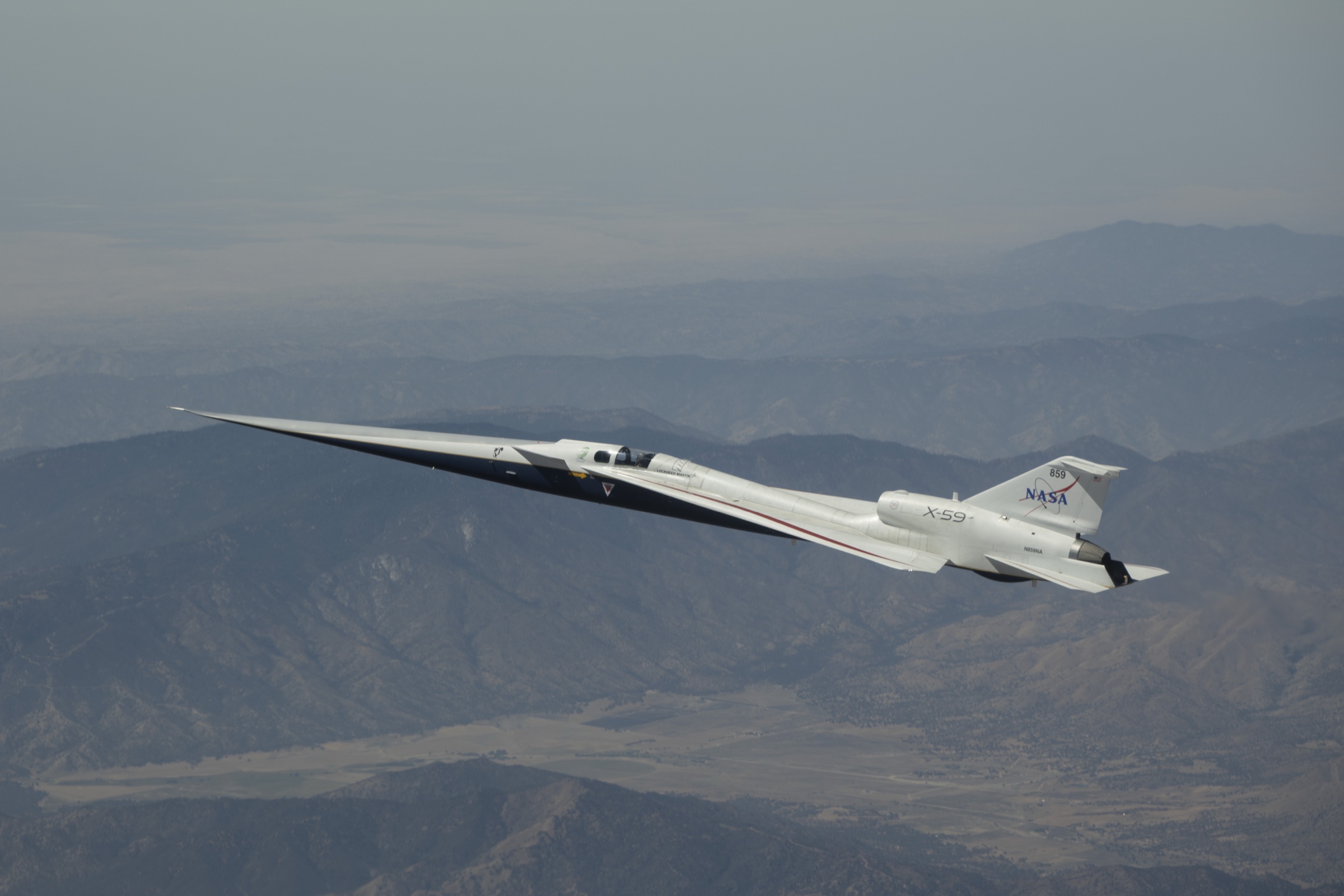
NASA's X-59 has flown 25 times. Its quietest claim still needs a clean test
The experimental aircraft reached Mach 1.2 on its 25th flight. NASA says a chase plane's booms masked the X-59's sound, while dedicated acoustic validation still lies ahead.
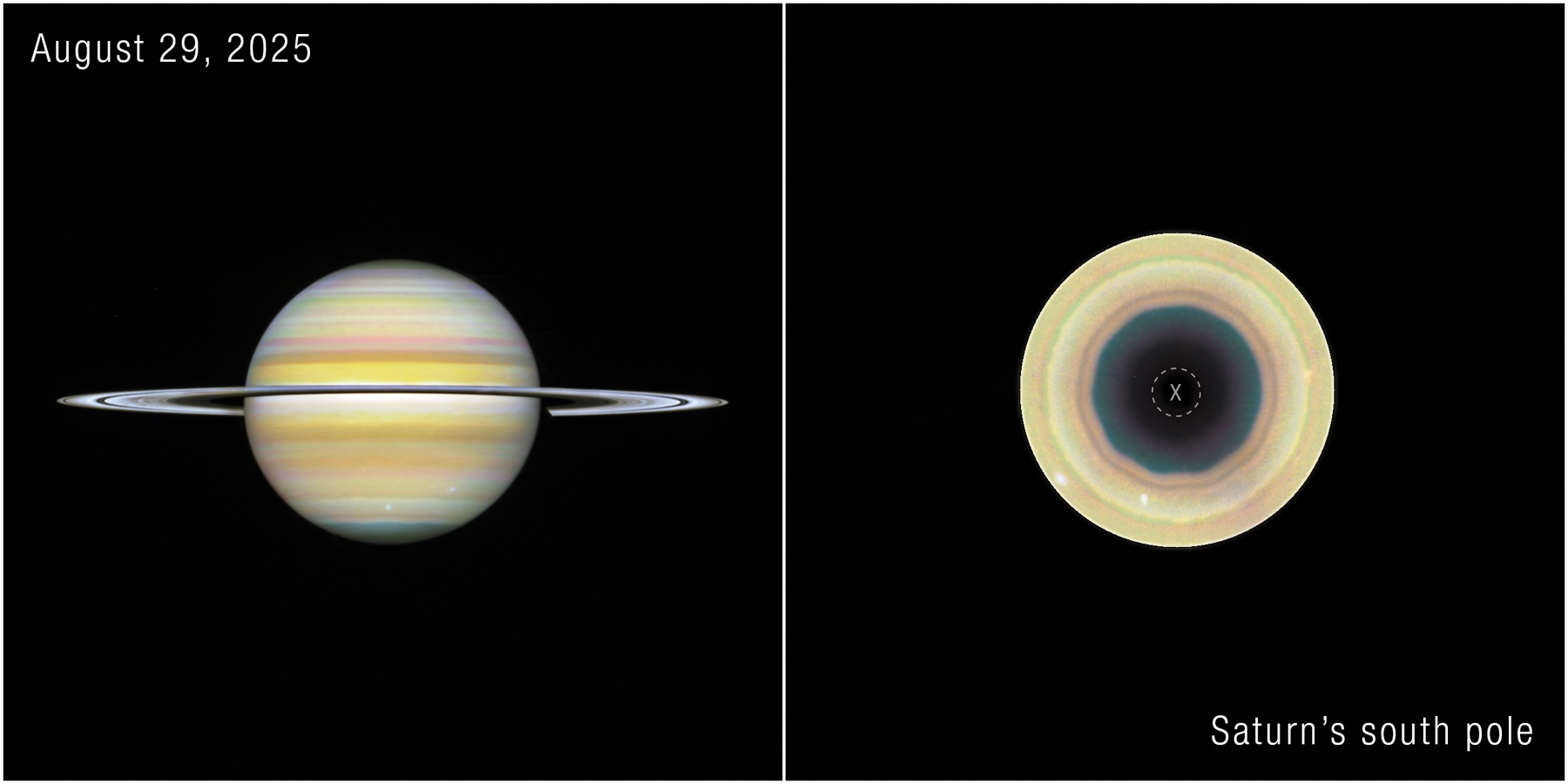
Saturn already had a hexagon. Now astronomers have found a decagon at the other pole
The ten-sided atmospheric wave was faint in 2023, clearer in 2024 and unmistakable in 2025. Scientists still do not know how long it will last.
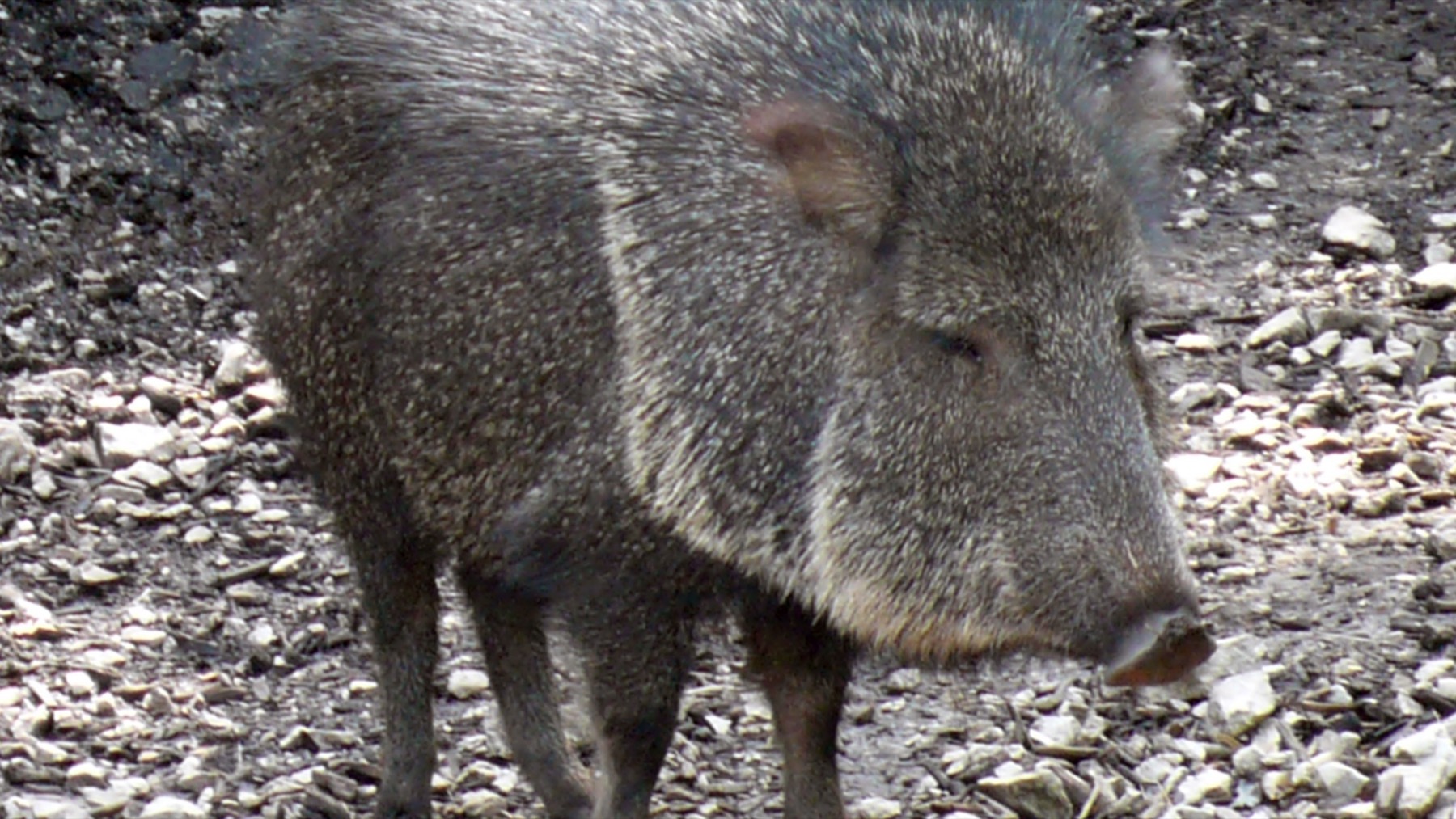
Four rare peccaries moved into the National Zoo. They all chose one bathroom
The communal pile was not a keeper trick. It is natural behavior for an animal once known to science only from fossils.
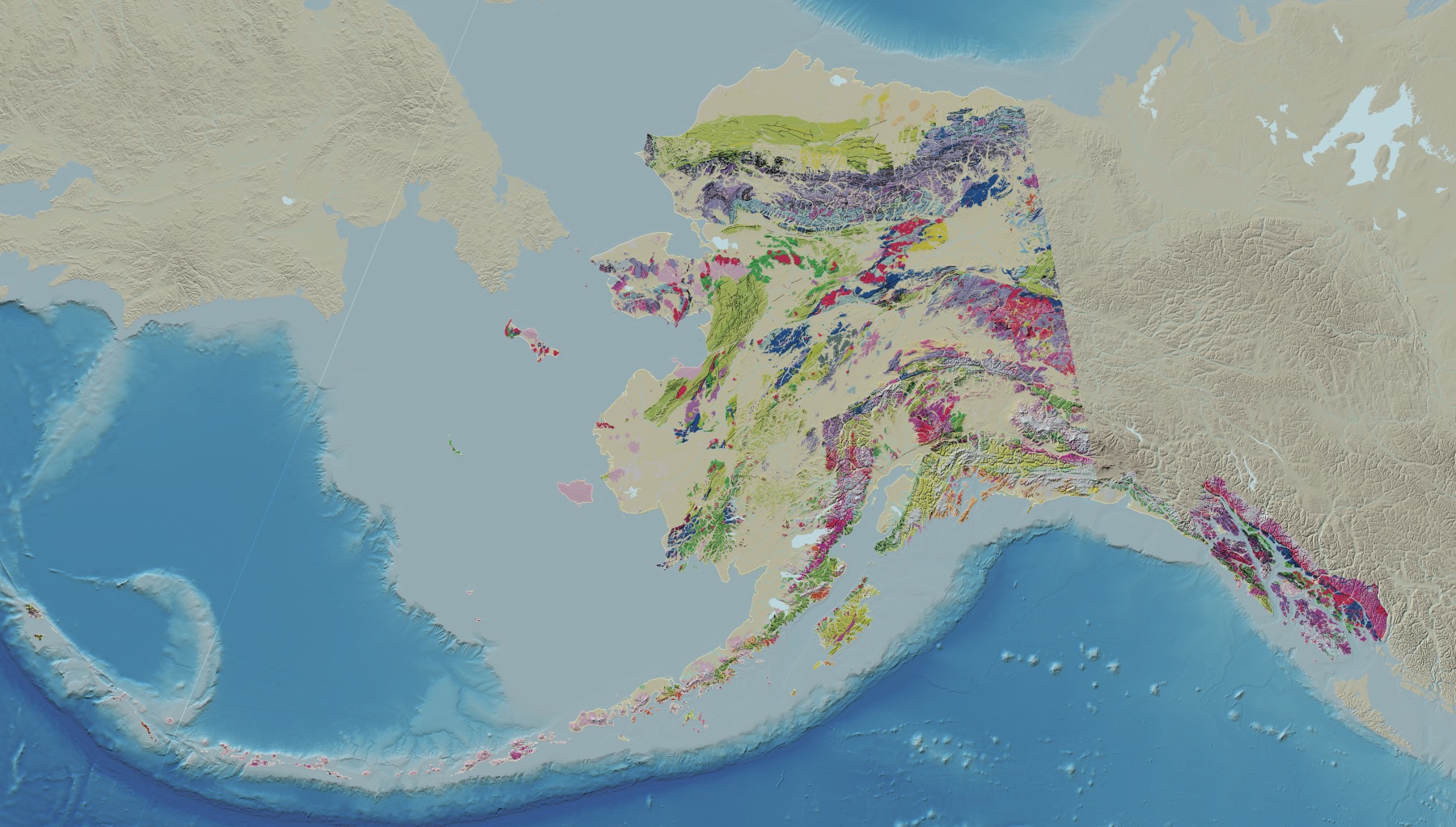
Every state's geology now fits inside one searchable federal map
A new USGS release adds Alaska, Hawaii and most U.S. territories to the same standardized digital view as the Lower 48.
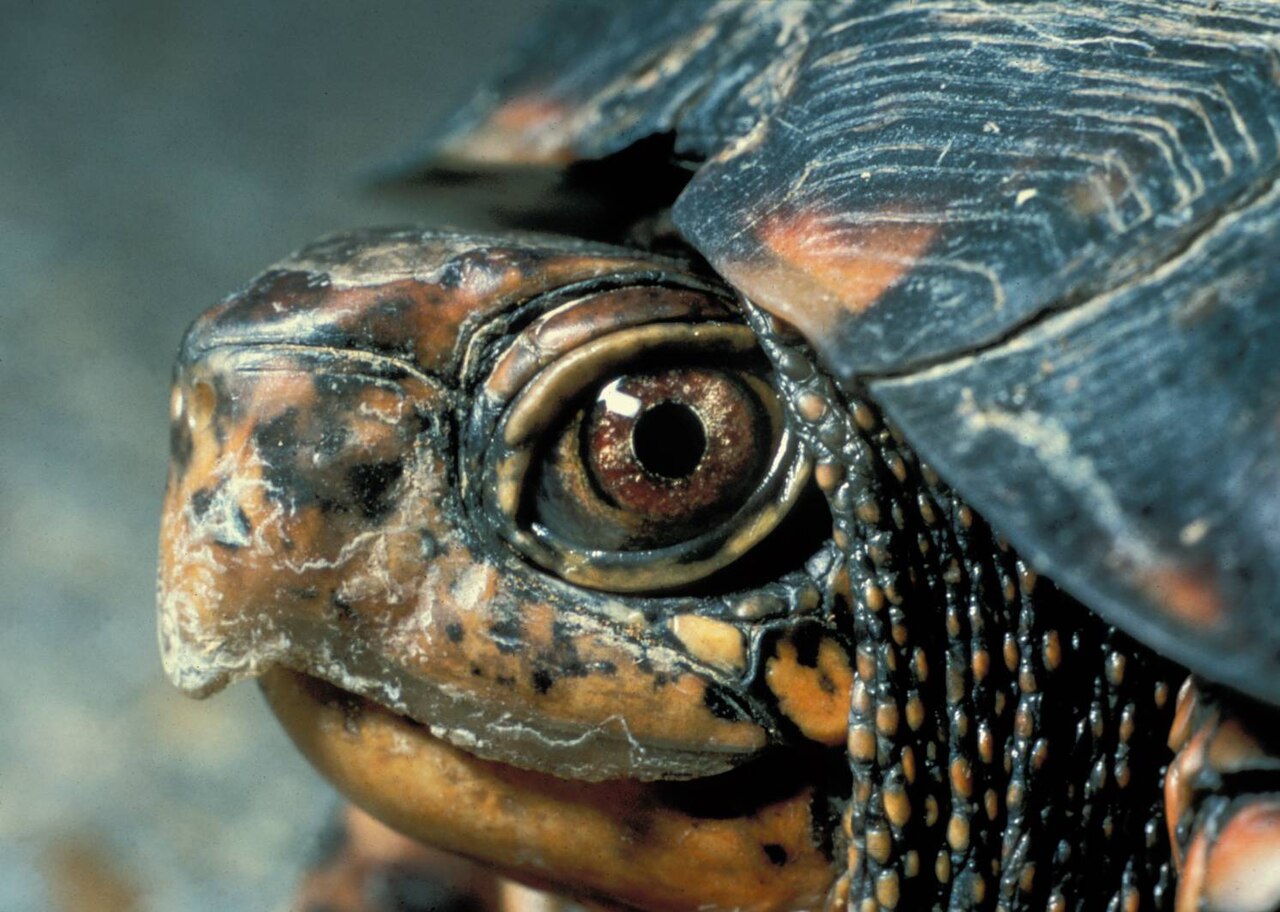
Smithsonian researchers are finding turtle nests with X-rays, plastic cups and 216 yards of thread
A Virginia field team followed 56 tagged eastern box turtles and found a difficult number waiting at the nests it located.
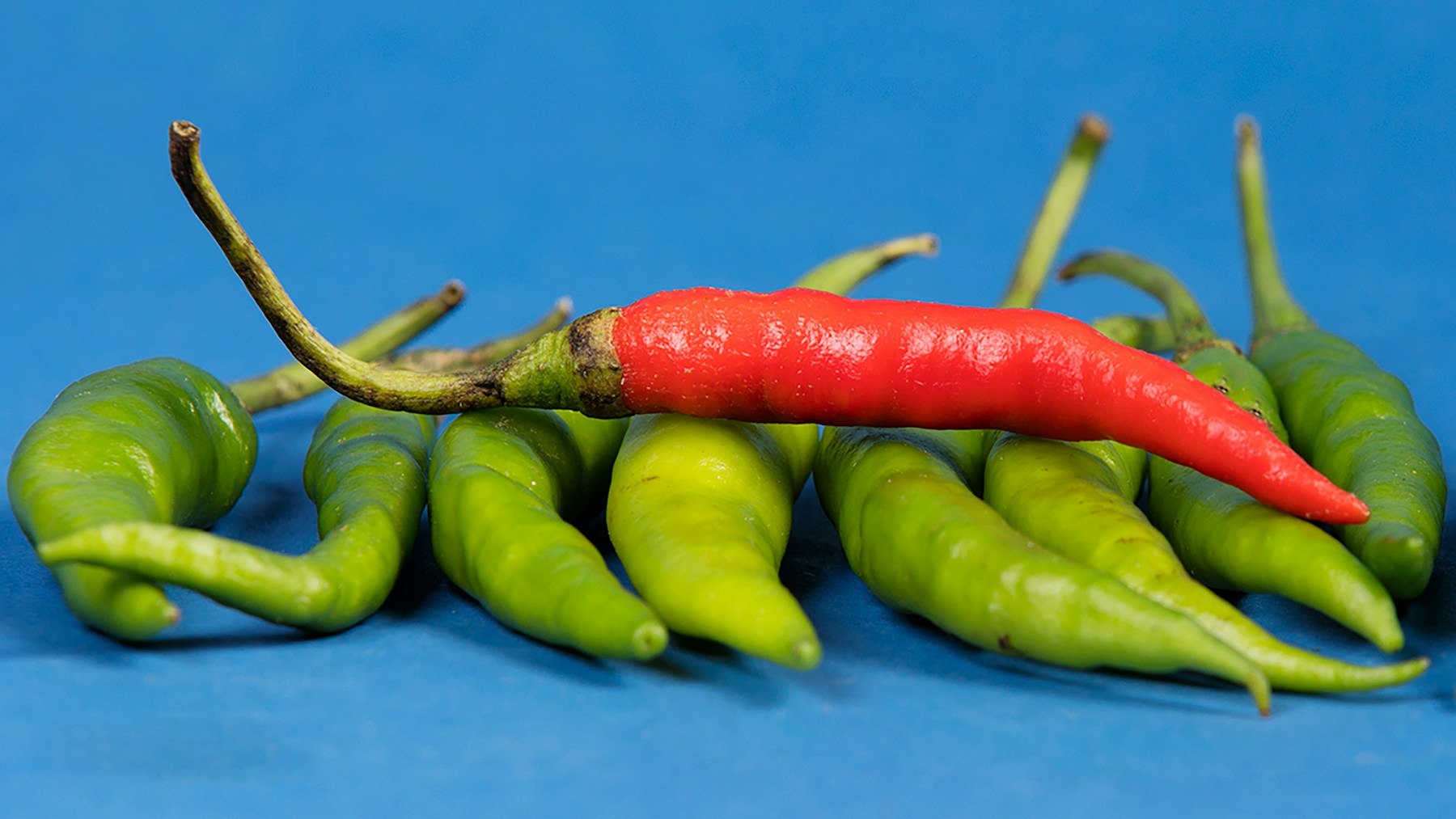
One gardener has broken the longest chili record three times. His latest reached 52.5 centimeters
Jürg Wiesli started at 45 centimeters in 2017, reached 50.5 a year later and returned with a longer cayenne in 2026.
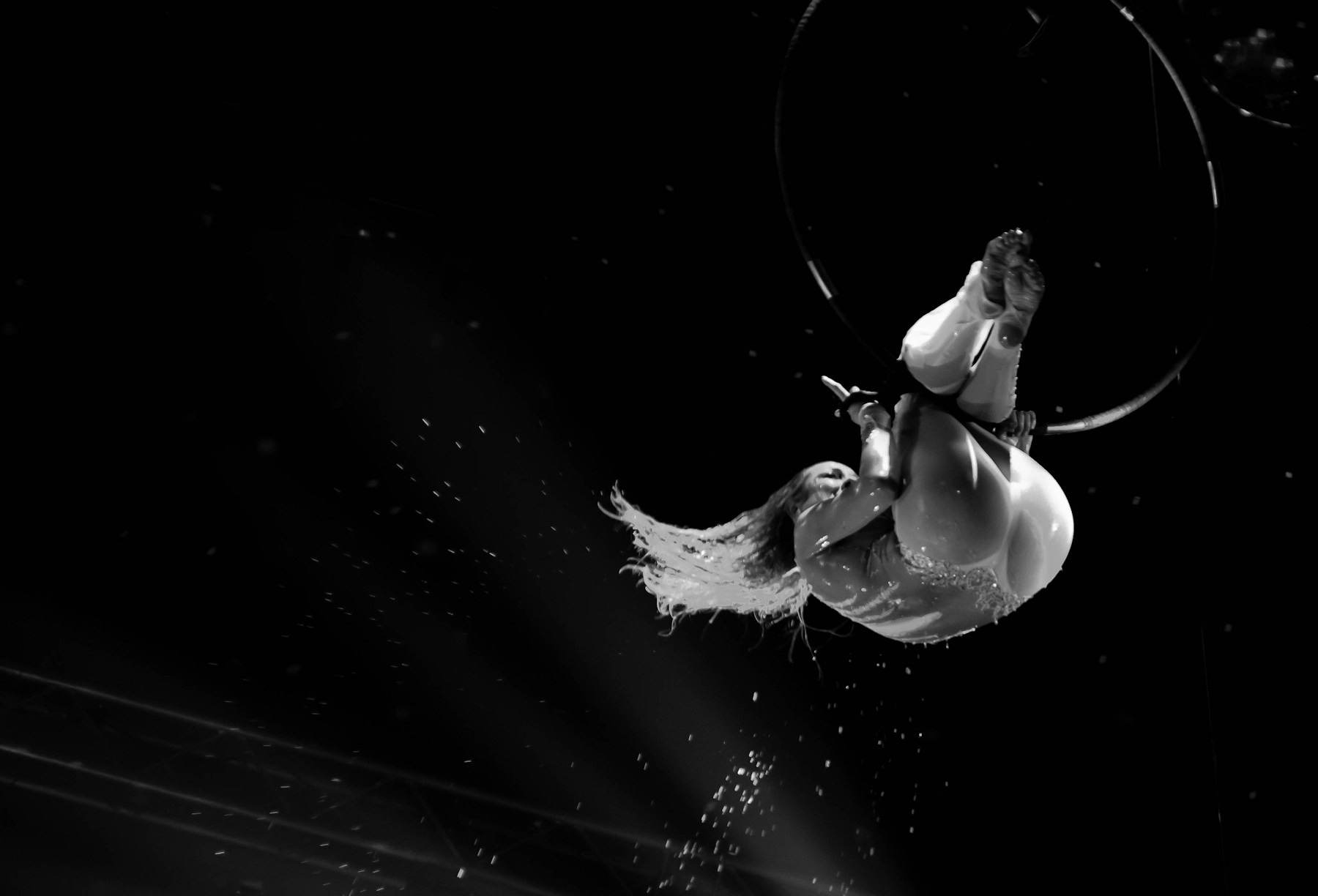
The Smithsonian's second-oldest building is closing again. Its last weekend comes with a free circus
The Arts and Industries Building will host aerial performances, costume work and circus-science demonstrations before it closes September 7.
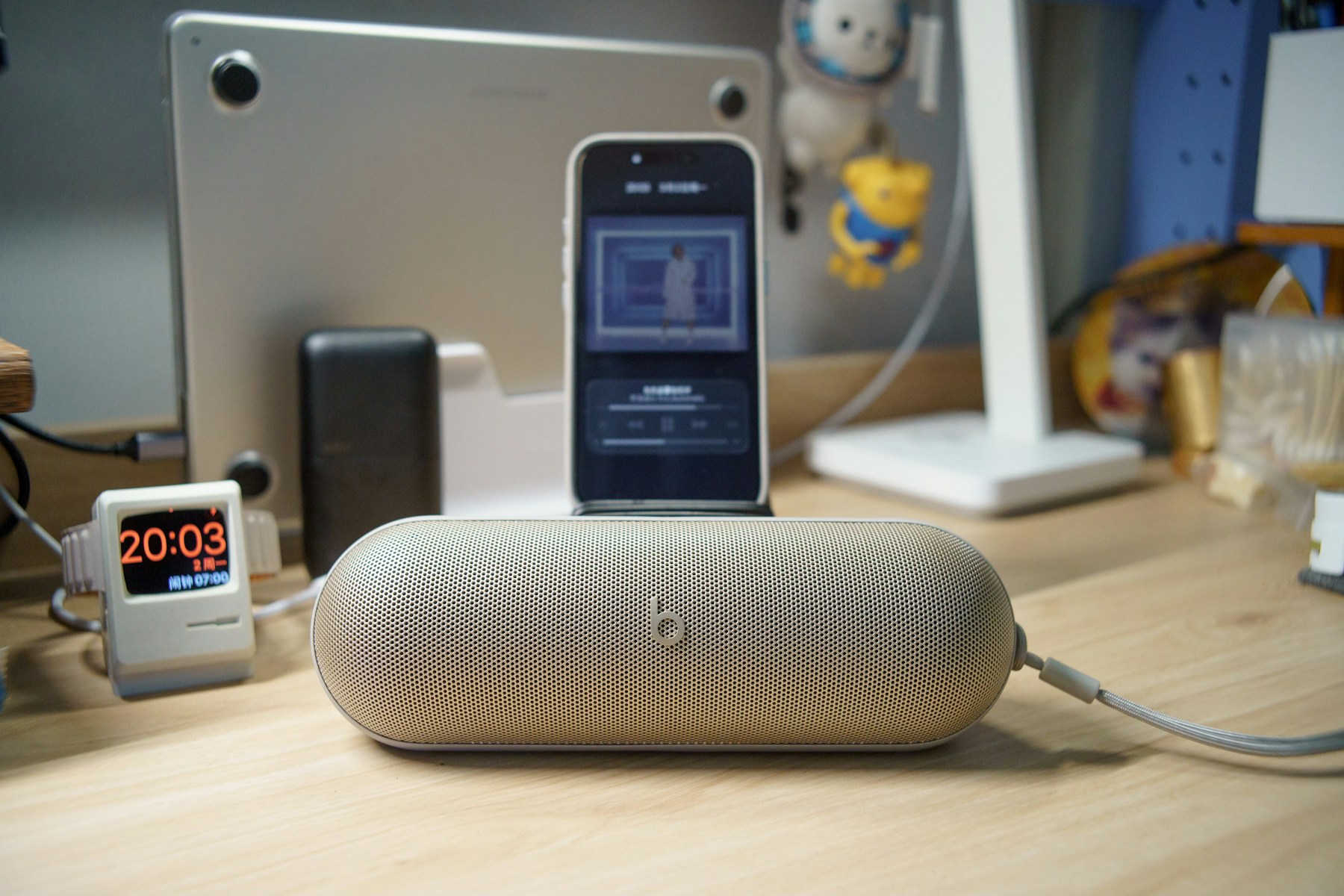
The FTC says an AI “Active Listening” service was not listening at all
Three firms claimed they could target ads from conversations captured by smart devices. The agency says the service did not use voice data.
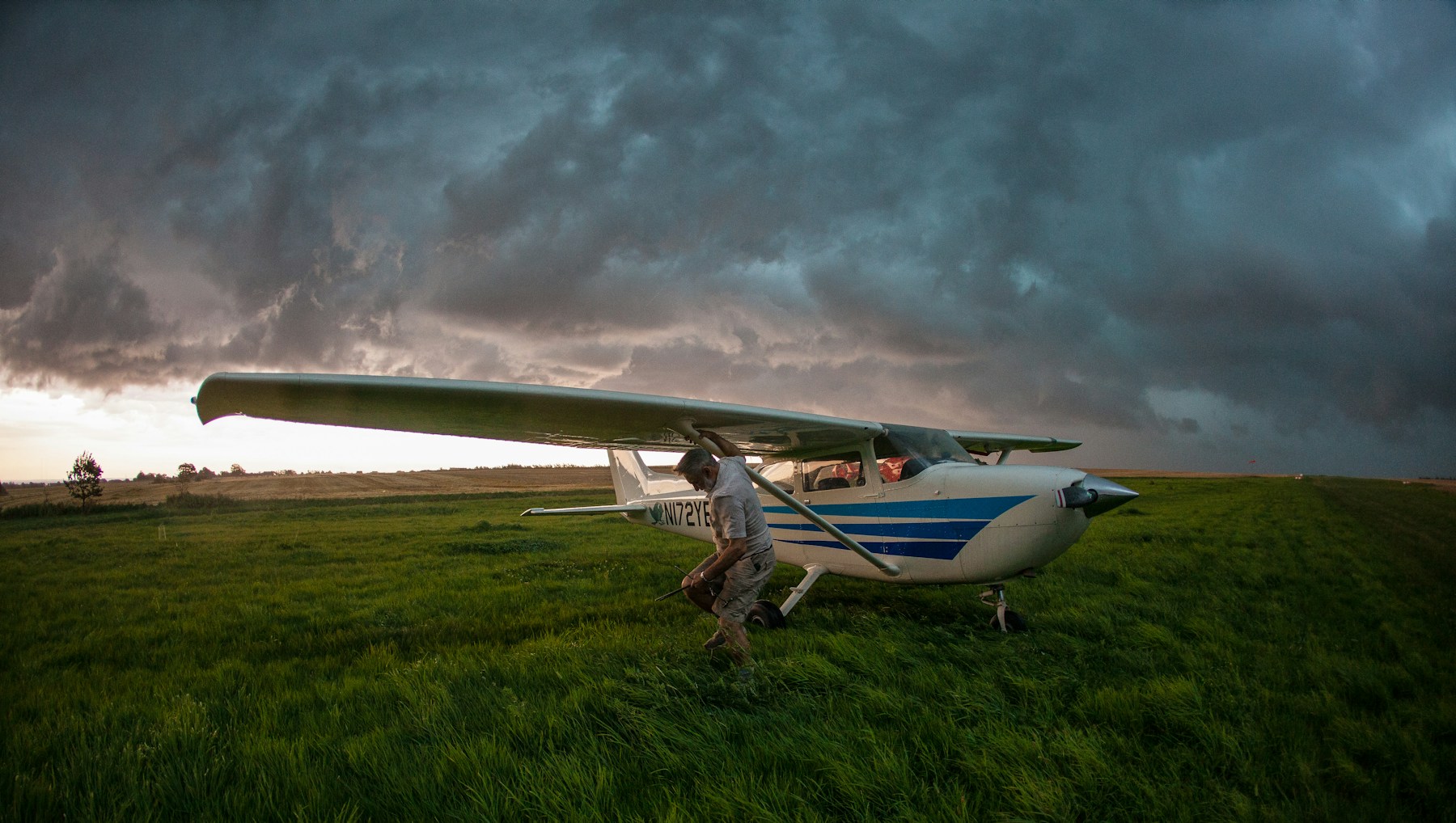
Ridley Scott's The Dog Stars makes a farmer and a doctor the apocalypse's most valuable people
The new survival thriller puts a pilot, a military survivalist and a mysterious radio call inside a world where practical skill outranks status.
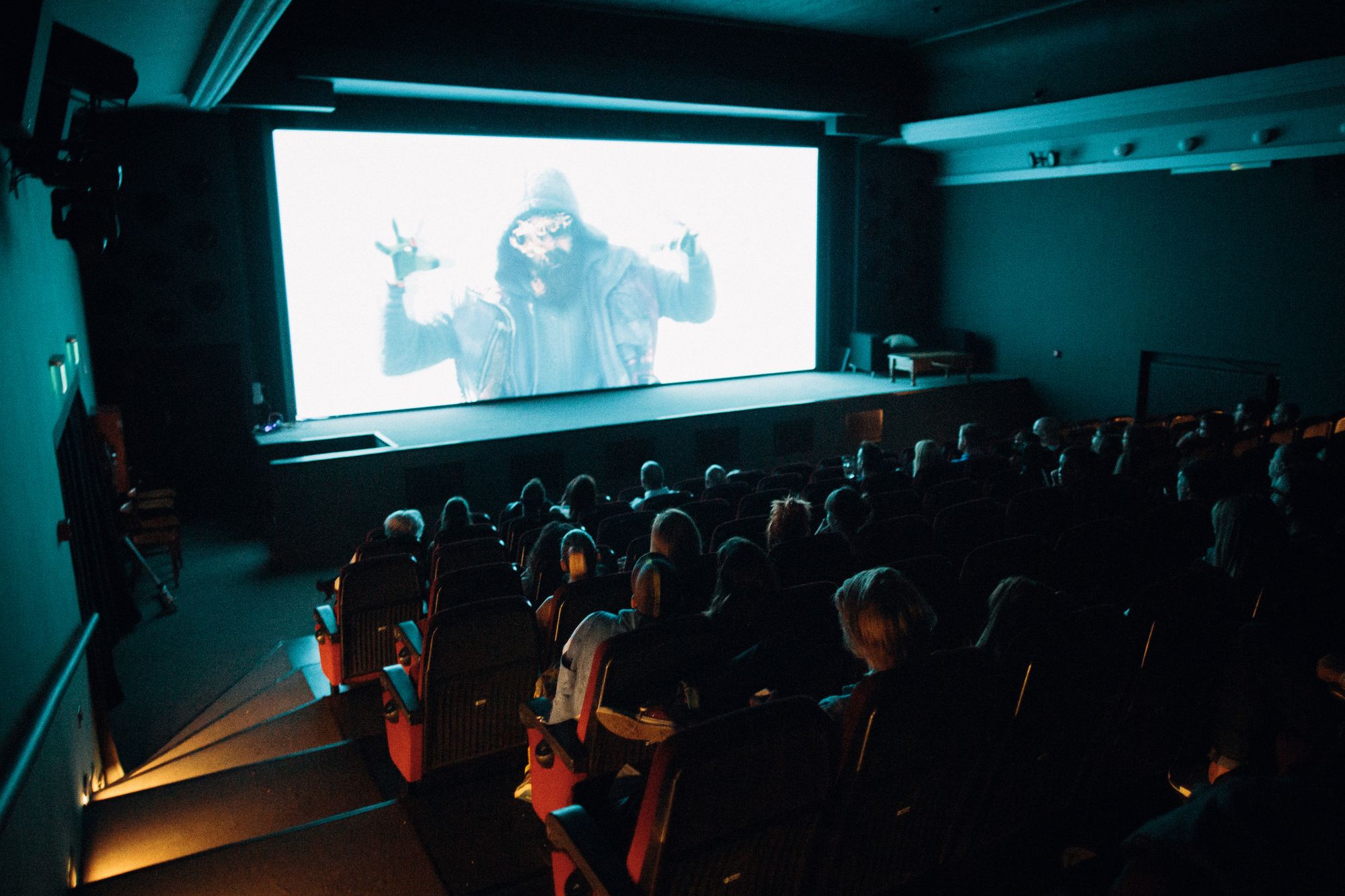
Coyote vs. Acme finally reached theaters and opened to an estimated $15.5 million
The finished movie took second place in the United States and Canada three years after Warner Bros. canceled its original release.
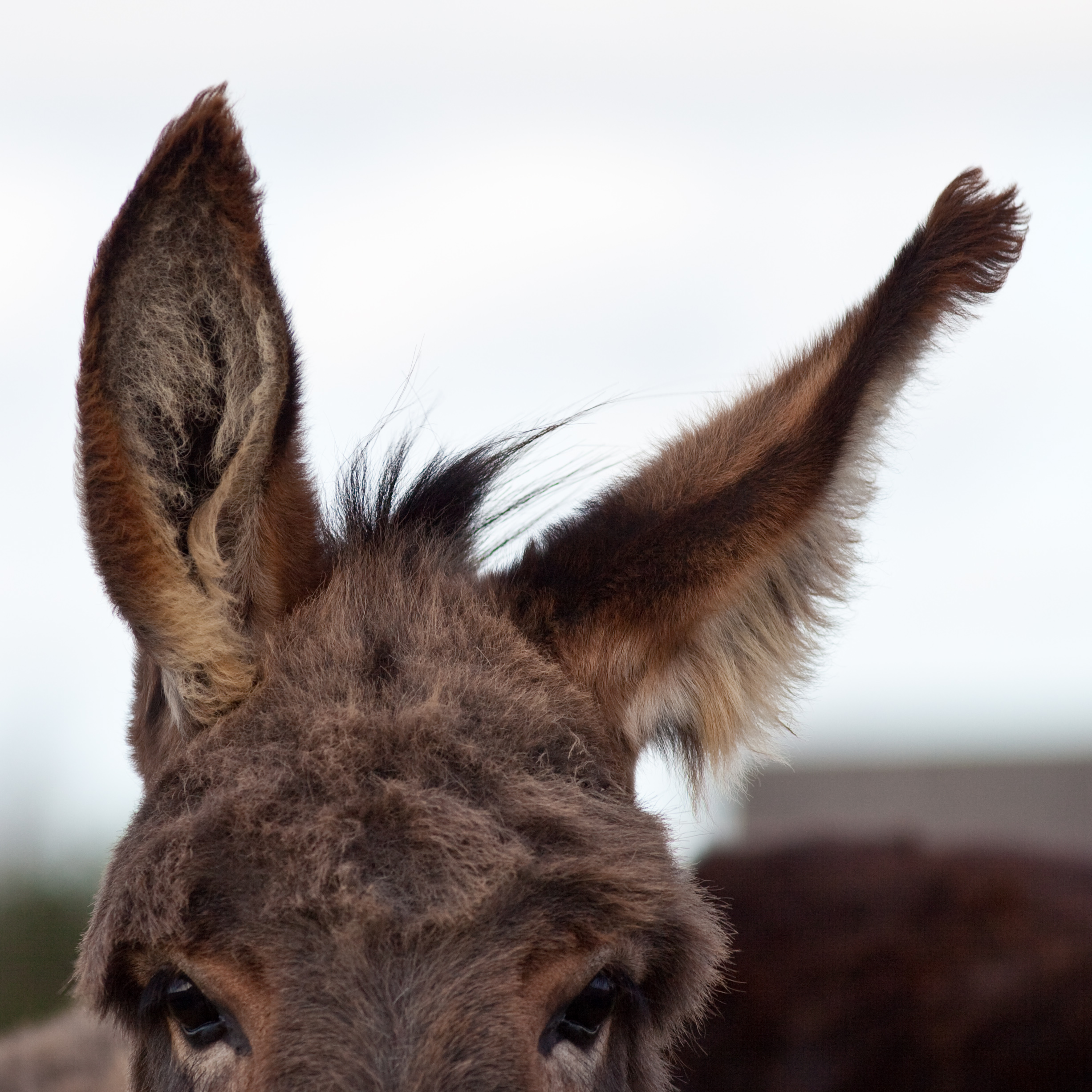
Hank's 17.12-inch ears set the record for a living donkey
A veterinarian repeated the measurement before witnesses in Pennsylvania, then averaged the results for Guinness World Records.
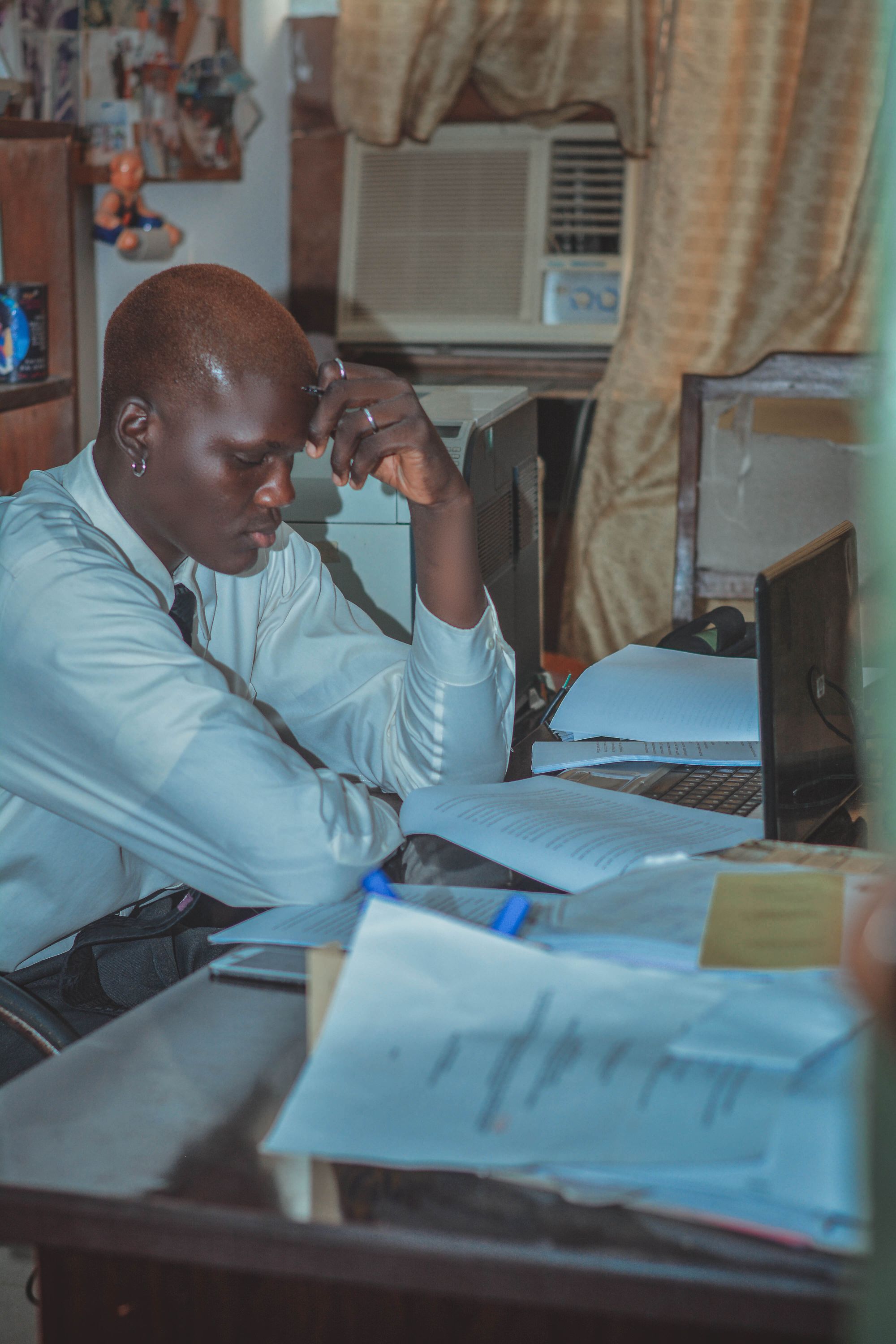
The government mapped 831 occupations against AI. Exposure is not the same as replacement
A new BLS dataset compares occupations by their contact with AI while the agency's 2035 projections show where employment may grow and shrink.

The FTC is asking what happens when the price knows who is looking
A proposed federal policy focuses on sellers that use personal data to estimate what one shopper may be willing to pay.
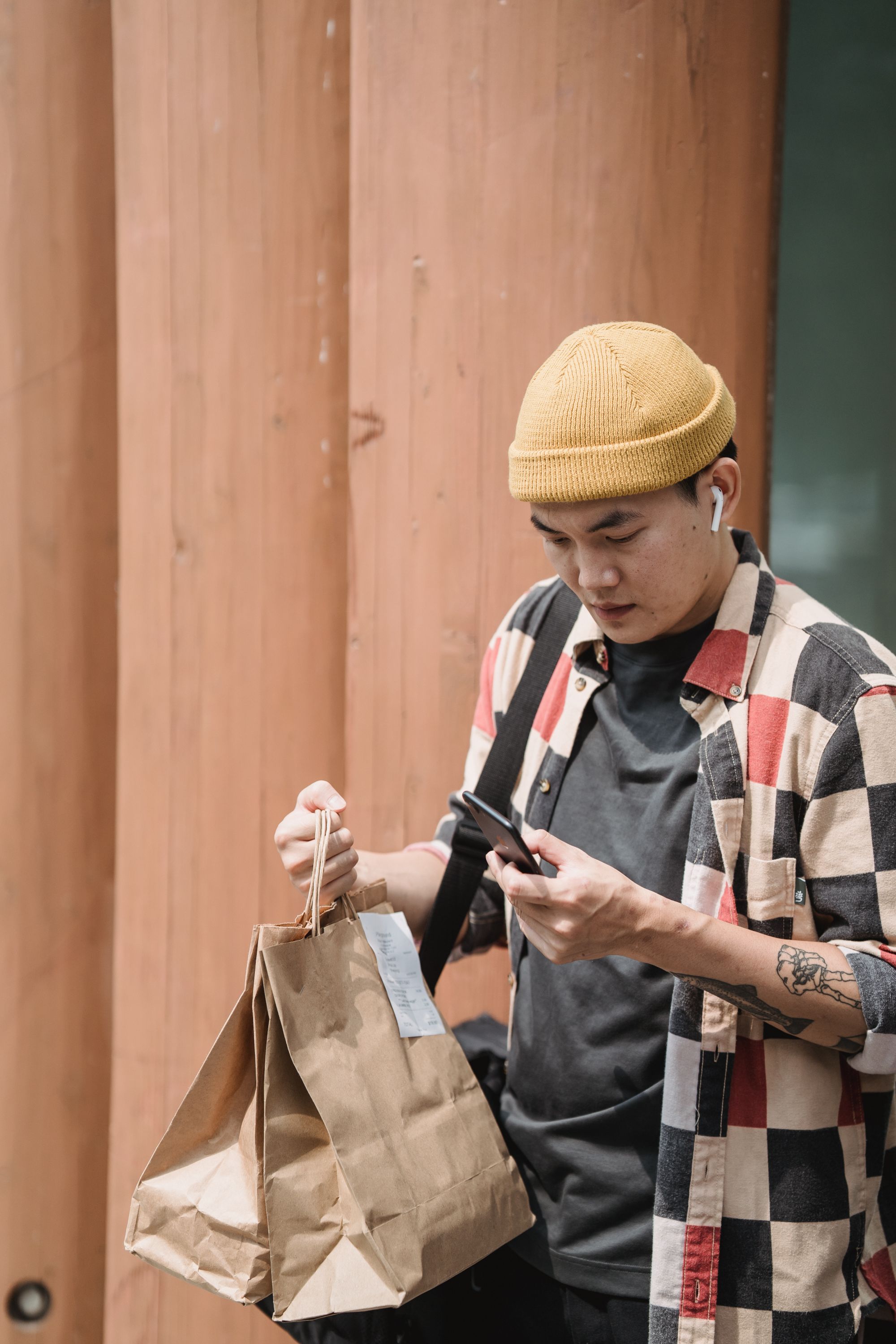
The FTC is sending 640,038 Grubhub payments. The deadline depends on how yours arrives
More than $23.8 million is going to eligible drivers and diners through checks and PayPal payments.
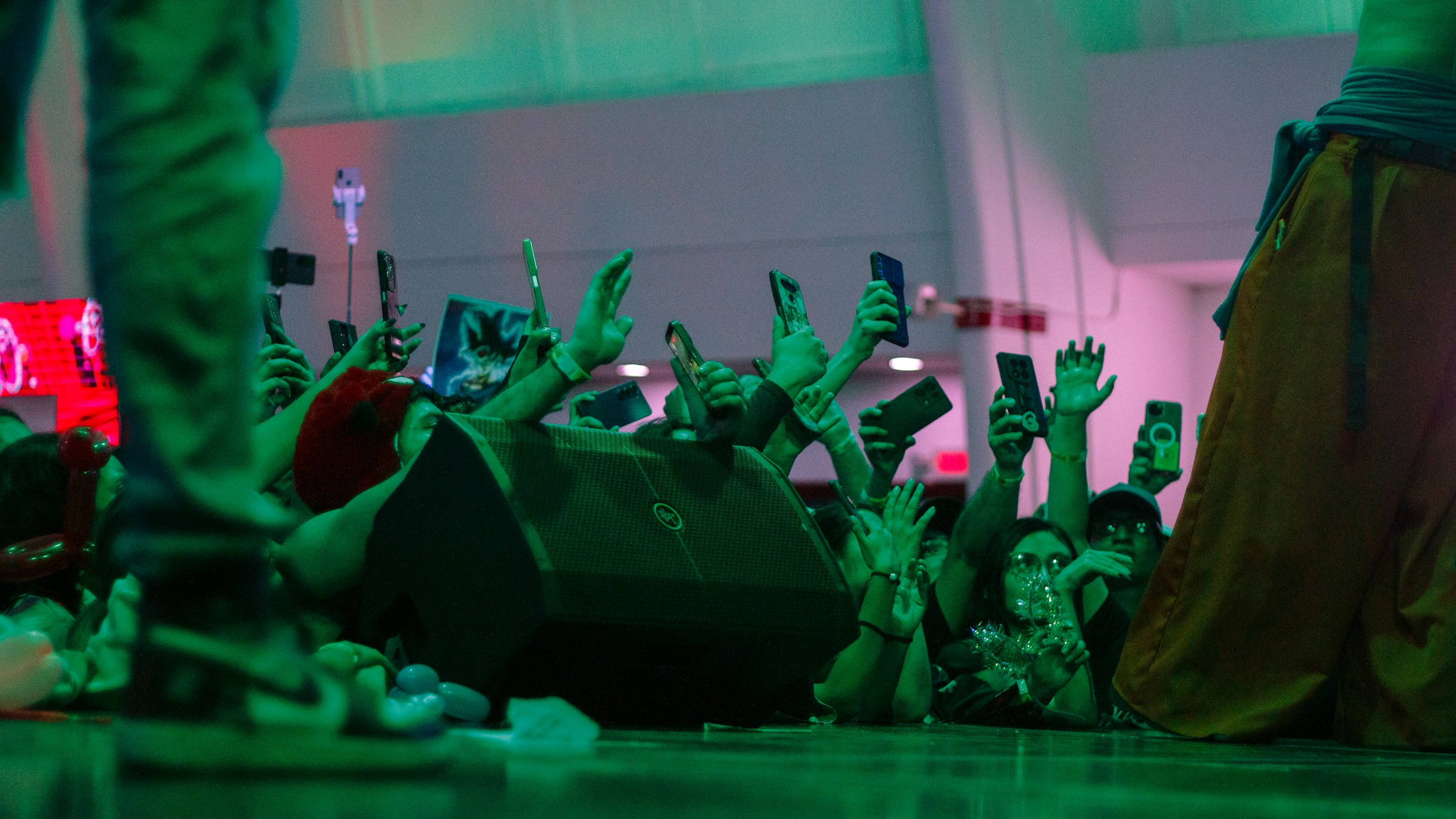
The ticket limit was six. The FTC says one broker grabbed 277 seats anyway
A federal complaint describes 75 accounts, 109 transactions, and hundreds of Metallica tickets moving into the resale market.
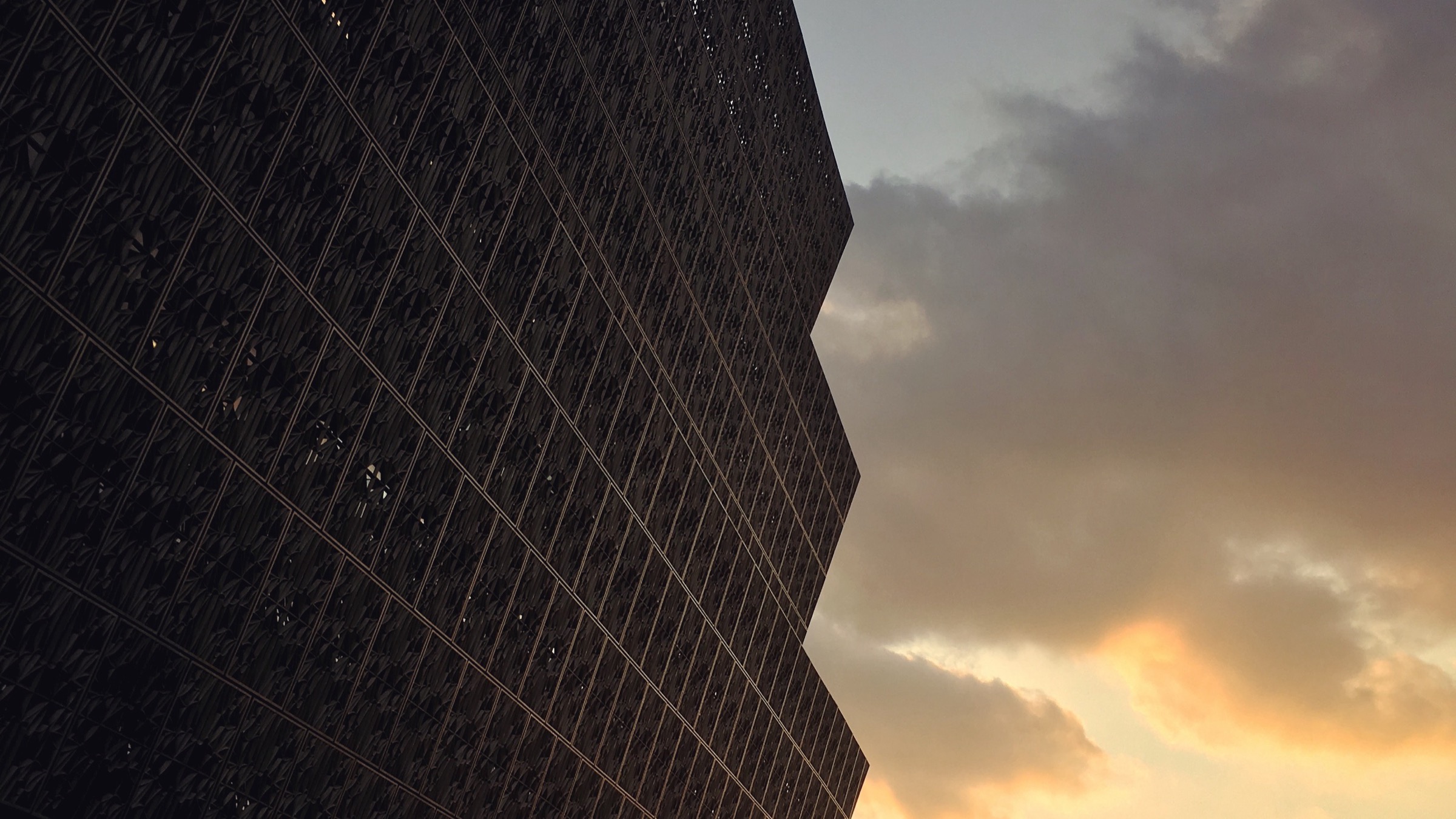
After 13.8 million visitors, this Smithsonian museum is planning a four-day reunion
The National Museum of African American History and Culture is marking ten years with four days of events at the museum and The Wharf.
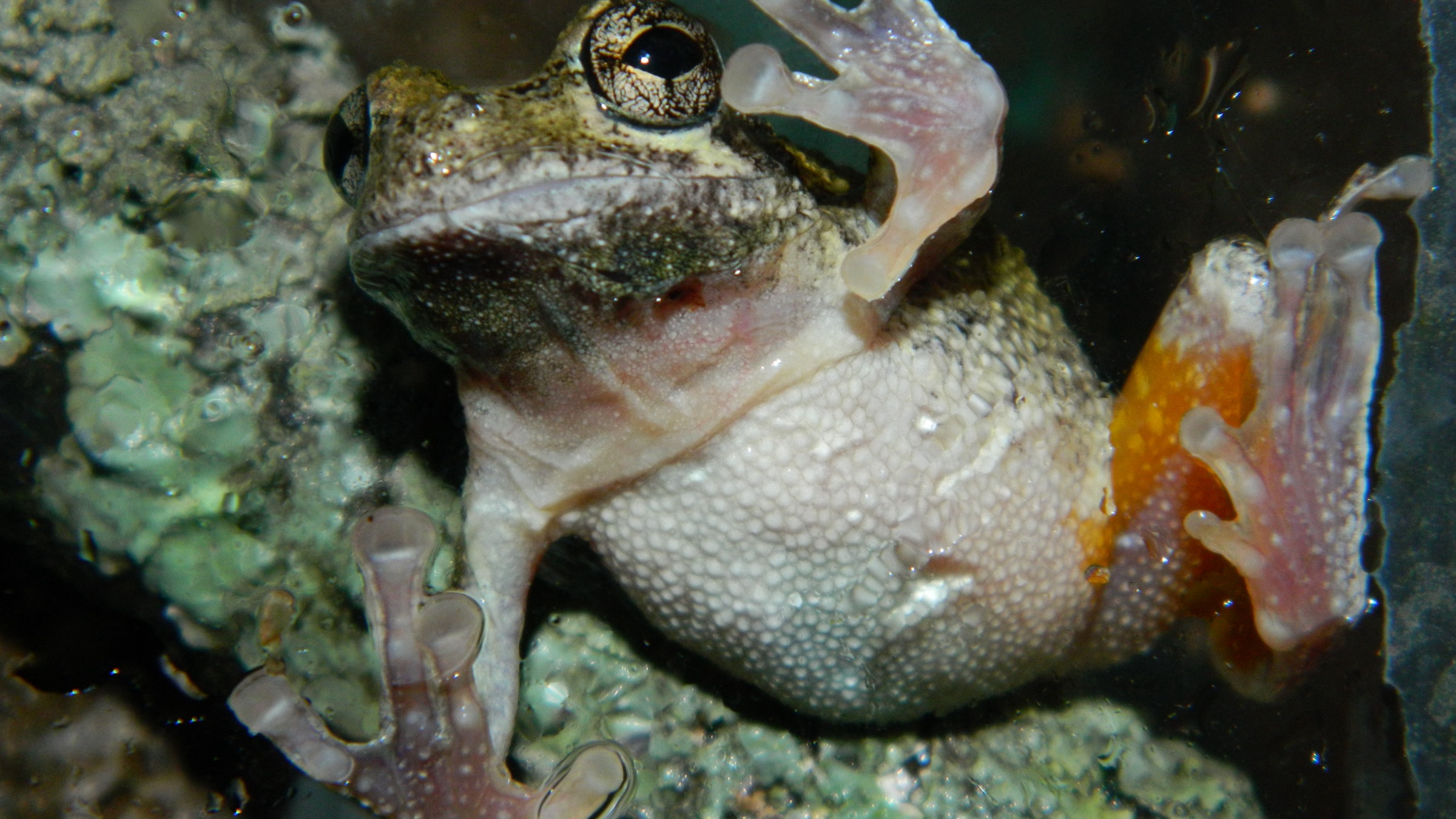
With eight mating calls, female treefrogs chose the target only 25% of the time
A controlled experiment found that Cope's gray treefrogs became slower, less accurate, and more likely to walk away as choices multiplied.

The Labor Department's AI framework gives prompting just one of five slots
The federal AI literacy framework puts understanding, exploration, evaluation, and responsibility around the skill that gets the most attention.
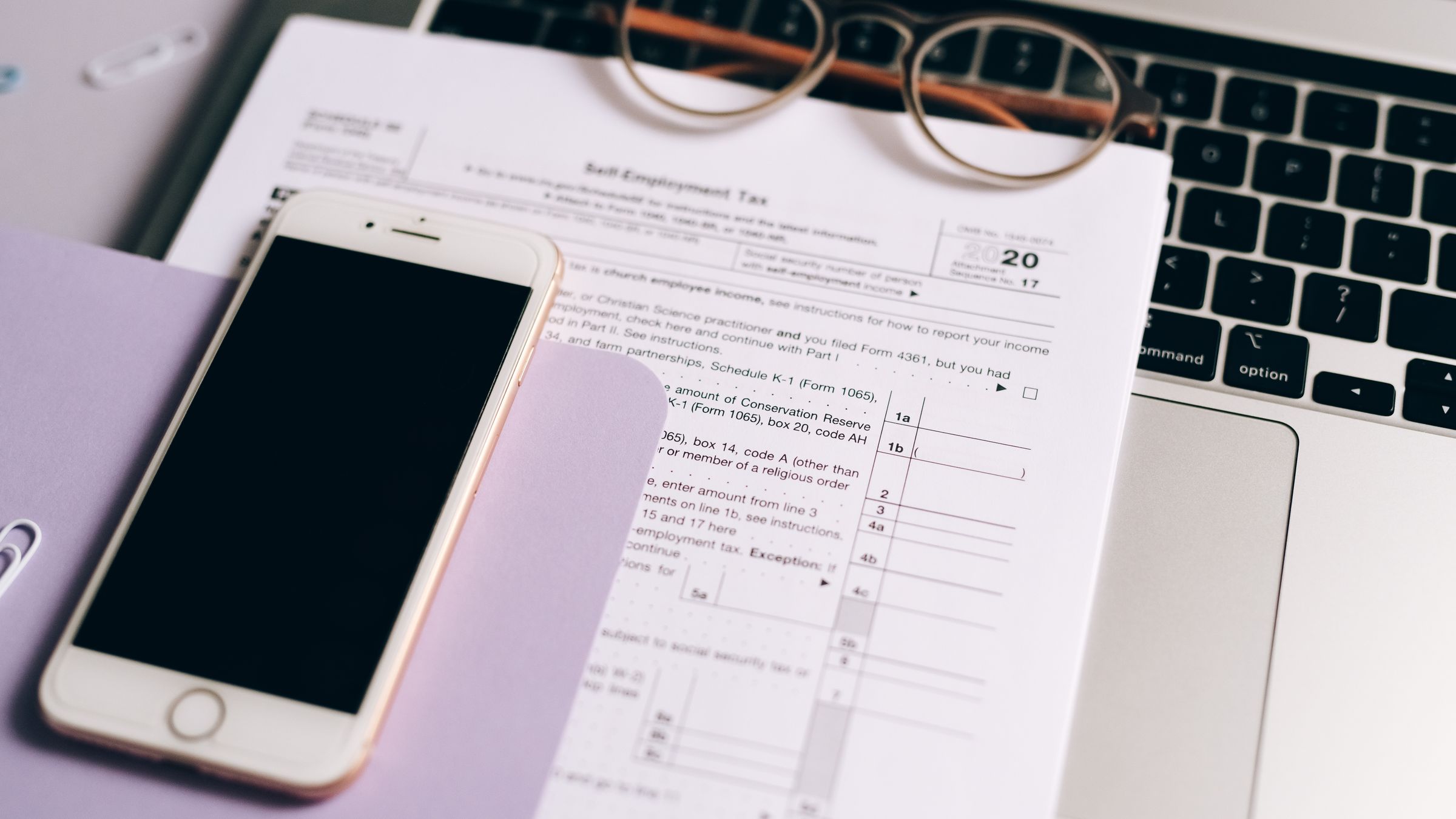
The IRS says one online account can handle nine common tax errands
The official account brings balances, payments, transcripts, notices, refund status, IP PINs, and certain authorizations into one place.