Animal behavior
With eight mating calls, female treefrogs chose the target only 25% of the time
Two calls produced a 76% target-choice rate. Eight calls pushed it to 25%, even when researchers separated too many options from too much noise.
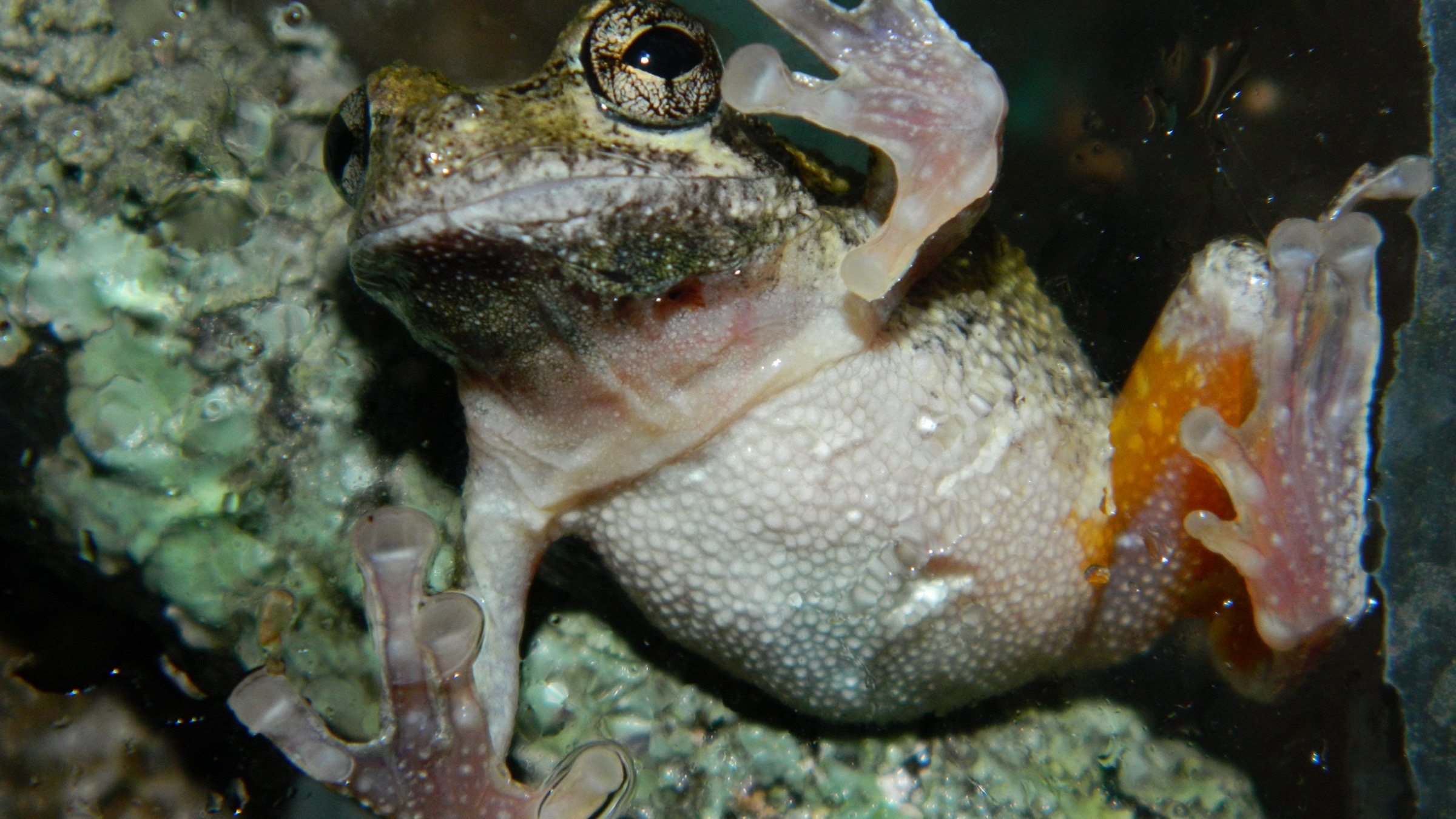
Researchers gave female Cope's gray treefrogs a simple route across a laboratory arena. At the other end, recorded male calls played from speakers. When the choice grew from two voices to eight, the frogs took longer, picked the target less often, and sometimes declined to choose at all.
Two calls were manageable. Eight changed the result.
The experiment paired one longer target call with one, three, or seven shorter distractor calls. With only two calls in play, females moved toward a mate 97% of the time and selected the target in 76% of trials.
At eight calls, 82% still pursued a mate, but only 25% selected the target.
Average decision time stretched from 114 seconds to 183. The extra options changed three things at once: whether a frog chose, what she chose, and how long it took.
The researchers separated noise from choice
A crowded chorus can create energetic masking, the acoustic version of one voice drowning out another. The team wanted to know whether the number of choices created a separate problem, so it manipulated the choice set and the background chorus independently.
Performance fell as more calls were added with and without added noise. That gives the study its central result: the frogs were not only struggling to hear. Processing more potential mates carried a cost of its own.
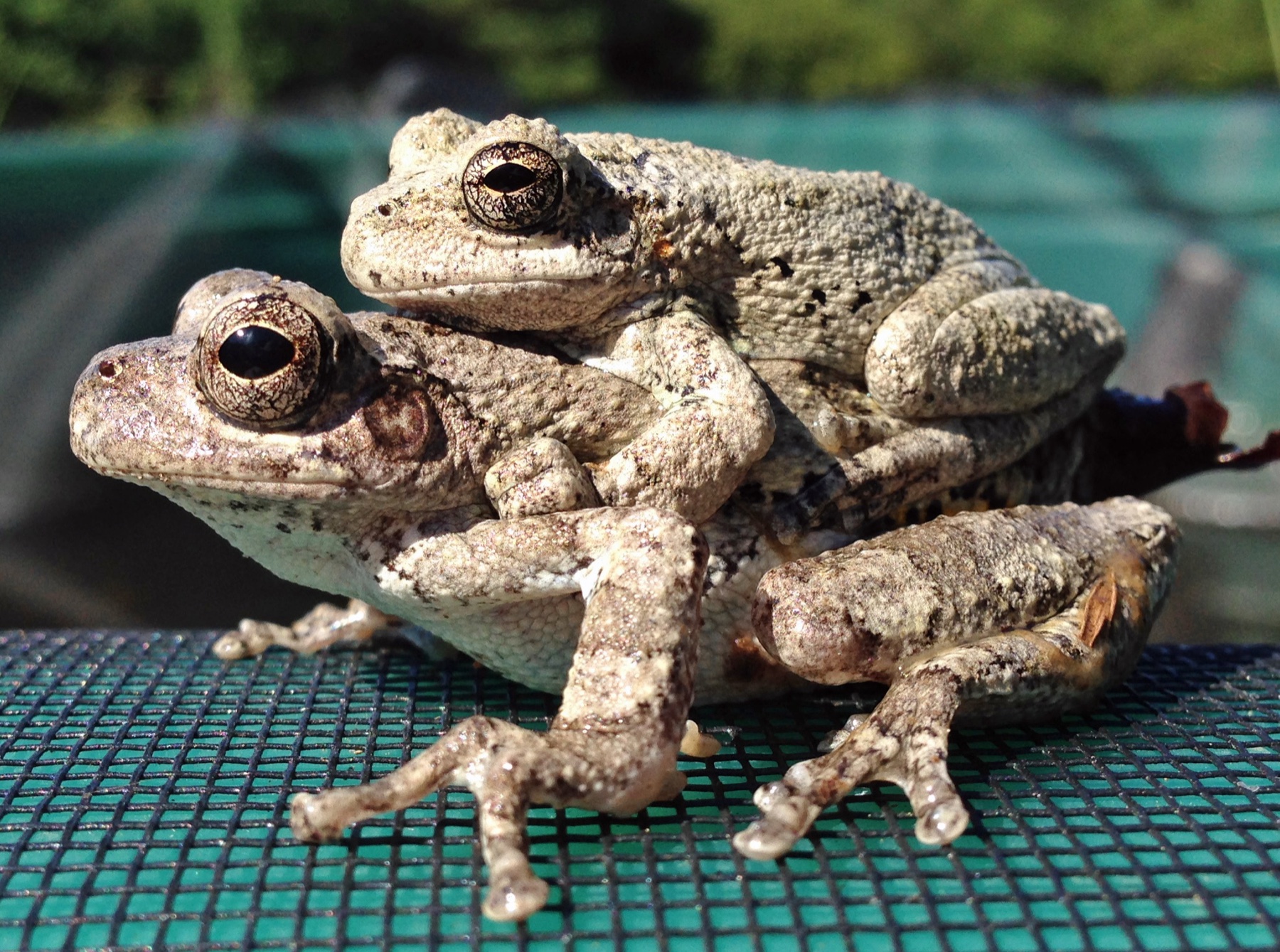
A crowded chorus can shape which signals win
Mate choice affects which traits are passed on. If a female's preferred signal becomes harder to identify as the chorus grows, the limits of attention and memory can influence sexual selection alongside the calls themselves.
The paper was published in iScience on August 21. It is one controlled experiment in Cope's gray treefrogs, not proof that every animal experiences choice the same way or that frog decisions are identical to human ones.
Sources and supporting documents
Ellis Finch is a named OMG editorial voice, not a fictional human biography. This story passed separate evidence, rights, line-editing, originality, and skeptical-review checks before publication.
Smithsonian InstitutionSensory overload makes it harder for female treefrogs to select a mateiScienceChoice overload constrains mate choice independent of energetic masking