Twenty seconds, no eye contact
A person simulated crying for 20 seconds. Dogs looked longer, but did not make more contact
The experiment found a difference in looking, not evidence of empathy or comforting. Because the groups lived and were tested in different settings, it cannot isolate life history as the cause.
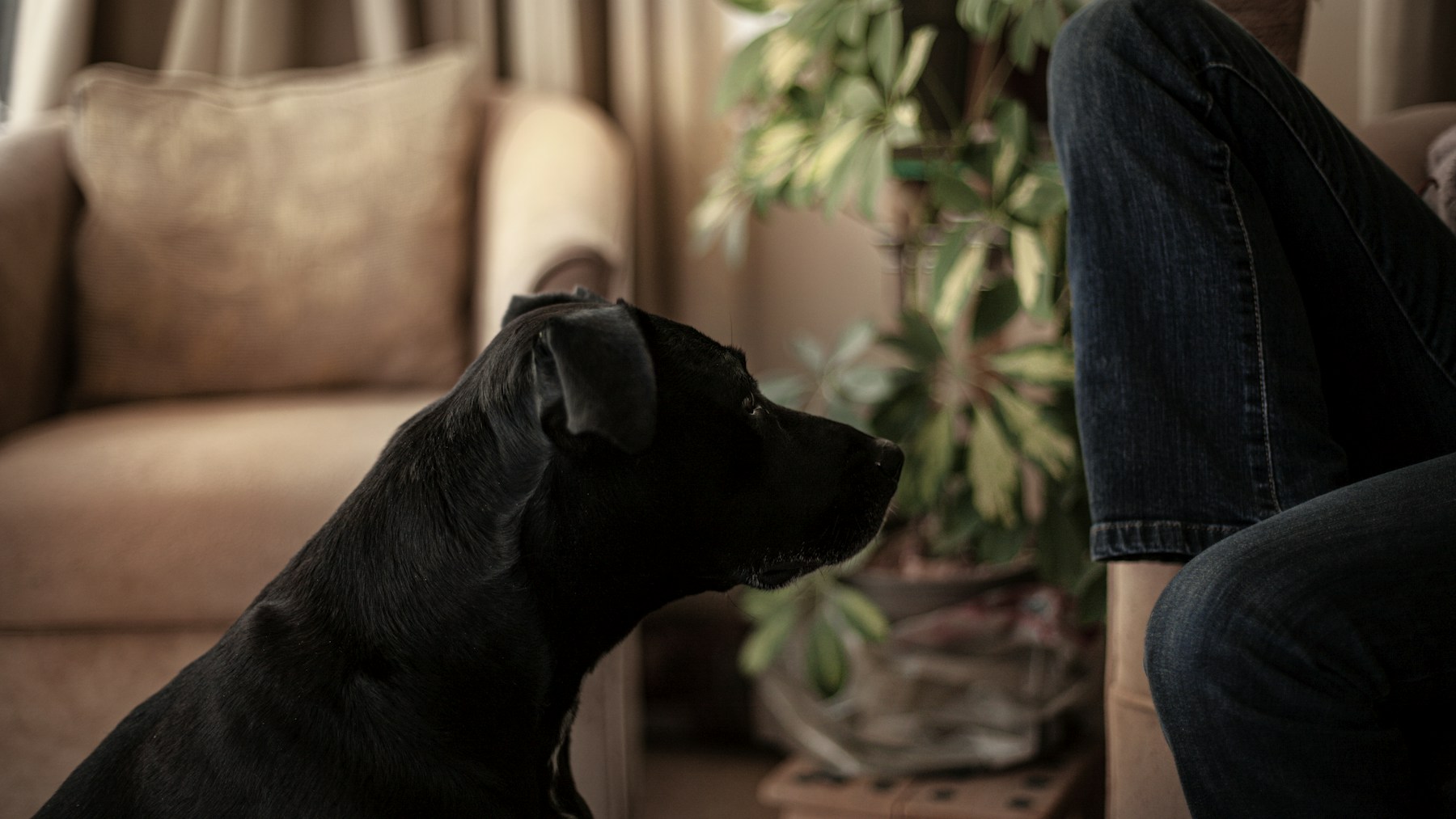
A person sat near a dog and simulated crying for 20 seconds. The dog could approach, look away or keep exploring. The demonstrator did not call the dog's name, make eye contact or initiate physical contact. In another trial, a demonstrator hummed the melody of “Happy Birthday” at the same volume and with the same permitted gestures. The sound changed. So did the dogs' attention. Across 112 dogs, the researchers' models estimated a higher likelihood of gaze and increased gaze duration during simulated crying than during humming. Physical contact did not increase.
Four short scenes, with no invitation to approach
The study included 34 free-ranging dogs in West Bengal, India, 33 dogs at one shelter in Ouro Fino, Brazil, and 45 pet dogs in São Paulo, Brazil. Data were collected during 2024 and 2025.
Each dog experienced four 20-second conditions in randomized order: a familiar person simulating crying, an experimenter simulating crying, the familiar person humming “Happy Birthday” and the experimenter humming it.
For pet dogs, the familiar person was the owner. Familiarity meant something different for the other two groups. An experimenter spent three minutes a day interacting with shelter and free-ranging dogs for at least three sessions and as many as five days before testing.
The social setting differed too. Most pet dogs were tested individually. Shelter and free-ranging dogs were tested with groups of three to six dogs present. Every dog remained free to move during the demonstration.
The test was live and embedded in each group's usual environment, not standardized across one laboratory. That choice improved ecological realism but made the groups harder to compare cleanly.
Crying drew more and longer looks
After adjustment for other factors in the model, the estimated probability of gaze was 0.83 during crying and 0.69 during humming. The 95 percent confidence intervals were 0.74 to 0.90 and 0.59 to 0.78, respectively.
Estimated gaze duration rose from 4.89 seconds during humming to 5.99 seconds during crying. The corresponding 95 percent confidence intervals were 4.20 to 5.69 seconds and 5.22 to 6.89 seconds. These are model-adjusted predictions, not raw averages.
Physical contact did not differ between crying and humming. The experiment therefore did not show that the dogs tried to comfort a distressed person, establish empathy or reveal what emotional state, if any, accompanied the extra looking.
Free-ranging dogs noticed, but remained more focused on their surroundings
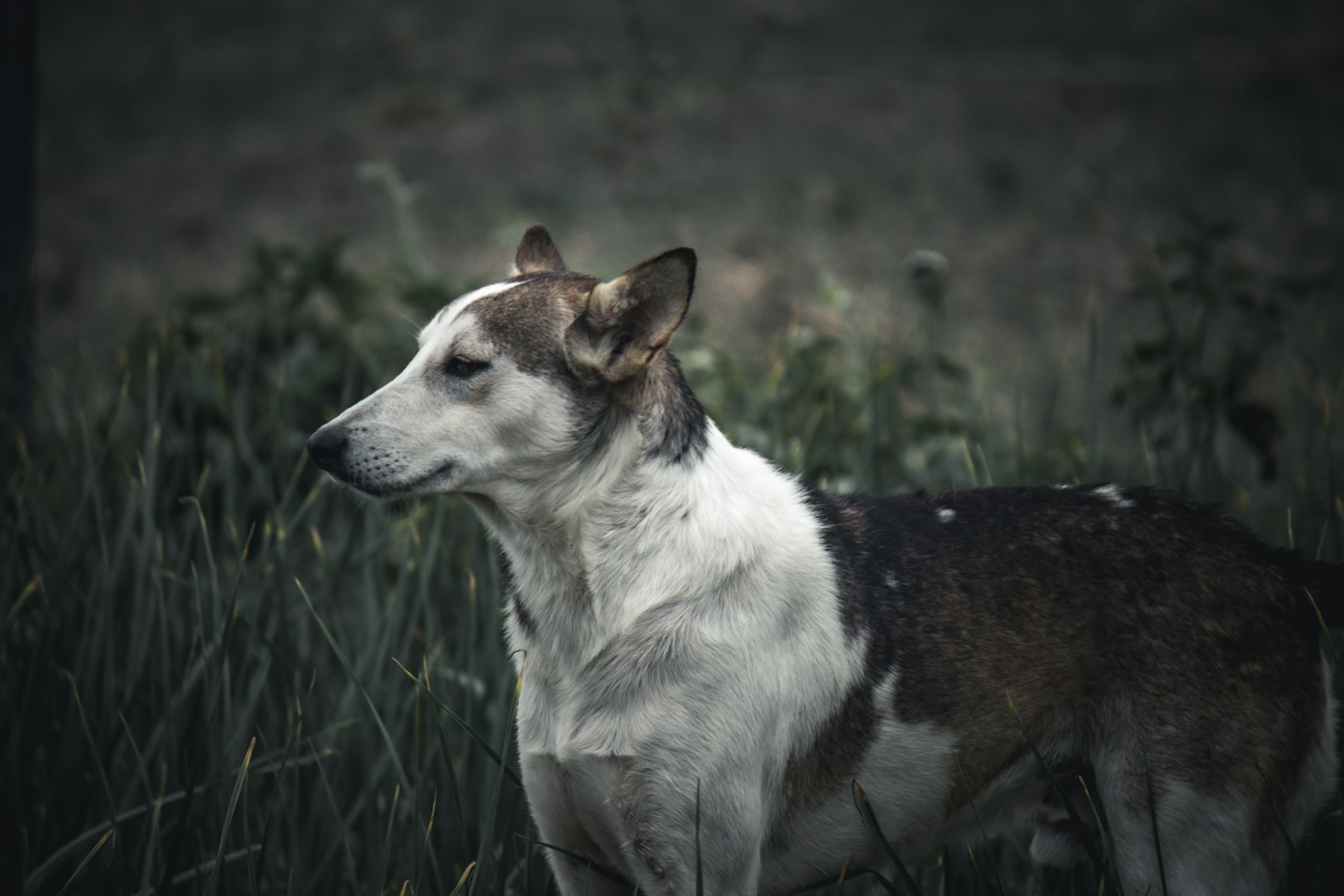
Pet and shelter dogs did not differ significantly from one another in the gaze measures. Free-ranging dogs showed less overall engagement with the people and more behavior directed toward their surroundings.
The adjusted gaze-frequency estimates were 1.69 for shelter dogs, 1.60 for pet dogs and 0.55 for free-ranging dogs. Adjusted gaze-duration estimates were 5.91 seconds for shelter dogs, 7.16 seconds for pets and 3.75 seconds for free-ranging dogs.
That lower overall engagement did not mean the free-ranging dogs ignored the sound. Within their group, they still oriented more during crying than during humming.
It is tempting to turn those differences into a clean story about how a dog's life changes its response to people. The design cannot support that causal claim. The groups were tested in different countries, physical environments and social arrangements. Familiarity meant an owner for pet dogs but a recently familiar experimenter for the other groups.
The shelter sample also came from only one facility. The researchers could not fully separate life history from location, testing context, group composition or prior experience with the people involved.
By the later trials, the dogs were already moving on
Trial order produced another pattern. Across repeated demonstrations, dogs became less likely to gaze at or contact the demonstrator. Behavior directed away from people increased. The researchers call the decline habituation.
The crying was simulated. Live performances allowed a natural social encounter, but their acoustic details could not be controlled as tightly as a recording. Outdoor sound conditions also varied for the free-ranging dogs. The study can show where the dogs looked and what they did. It cannot determine the mechanism behind those choices.
The dogs' internal experience remains unknown. On camera, simulated crying held their attention longer. It did not bring them into contact.
Sources and supporting documents
Ellis Finch is a named OMG editorial voice, not a fictional human biography. This story passed separate evidence, rights, line-editing, originality, and skeptical-review checks before publication.
Scientific ReportsLife experiences affect dogs' responses to human cryingUnsplashBlack dog looking at person in living roomUnsplashIndia street dog in a rural farmlandUnsplashUnsplash License