Wildlife fieldwork
Smithsonian researchers are finding turtle nests with X-rays, plastic cups and 216 yards of thread
Portable X-rays reveal which turtles are carrying eggs. A tiny spool shows where they go next. Then the trail cameras capture what happens after dark.
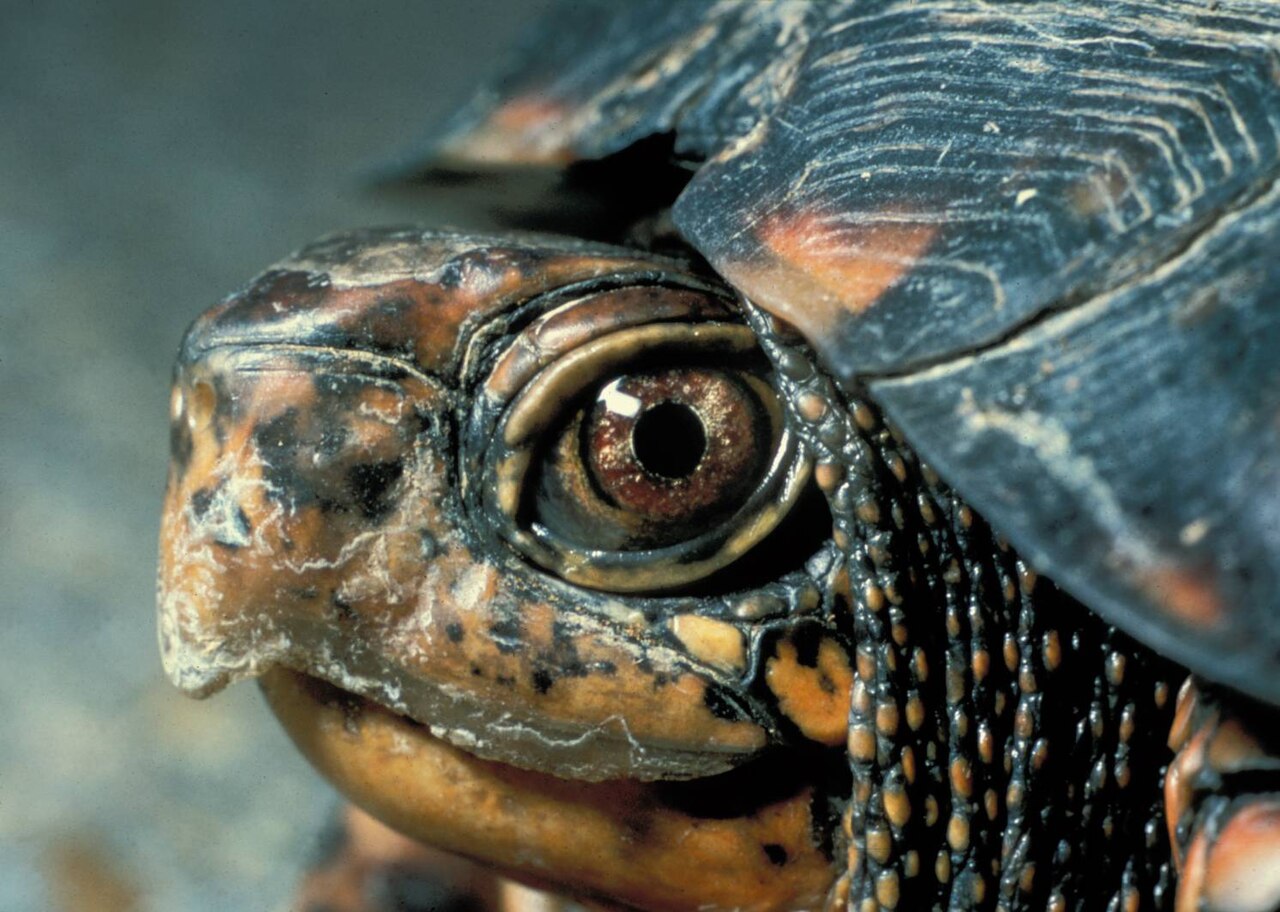
Turtles do not leave forwarding addresses. A Virginia field team began with 56 tagged animals, found 20 carrying eggs and located 16 nests. Predators destroyed 13 of those nests within hours. The difficult part was learning where to look before the evidence disappeared.
The first clue appears on a portable X-ray
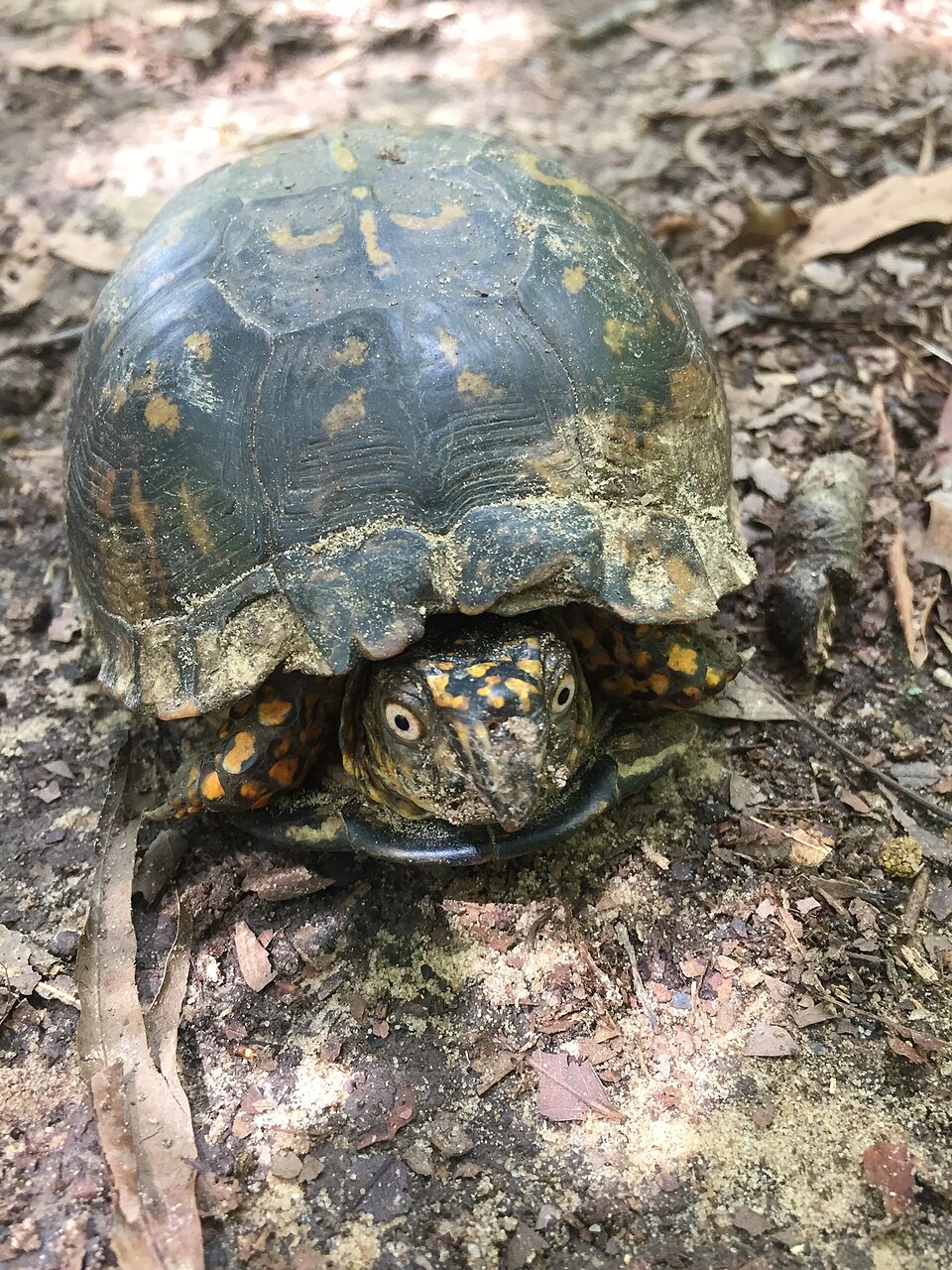
Eastern box turtles can carry developing eggs for 30 to 60 days, usually from late May through early July. A researcher can sometimes feel the eggs near a turtle's hind legs, but the Smithsonian team uses a portable X-ray when touch alone cannot settle the question.
The scan happens quickly. A turtle rests on a lead-lined plate and a plastic cup keeps her from walking away while a veterinary technician positions the machine. Within seconds, the team can see whether calcified eggs are present.
The equipment is not being used to diagnose a pet or stage a demonstration. It is one part of a field study that began in April to measure nest survival and help conservation managers understand where young turtles are being lost.
First, though, the team has to keep up with a turtle.
A spool turns the turtle's wandering into a trail
When a turtle is carrying eggs, researchers attach a two-gram bobbin to her shell and return her to the place where she was found. The 216 yards of thread unwind as she moves through forest, meadow, pasture or grassland.
The next day, the team follows the line. A turtle that has not settled on a nest may keep roaming. One that has chosen a spot tends to stay close. A weight loss of roughly 20 to 80 grams gives the researchers another clue that the eggs have been laid nearby.
Once they find a nest, they mark it, record the conditions and leave a trail camera to watch from a distance. The string is a temporary research tool, not a technique the public should try on wild animals.
Thirteen nests disappeared within hours
Over eight weeks of near-daily fieldwork, the researchers located 16 nests. Trail cameras and field checks showed that skunks or raccoons dug up 13 of them and ate the eggs, often only hours after they were laid.
That result belongs to this season and this sample. It is not a statewide survival estimate. The Smithsonian says it does align with other research that has put box-turtle nest predation as high as 90 percent.
The number also changes the emotional center of the story. Roads, lawn equipment and climate pressures threaten adult turtles, but many of the losses in this study arrived before a hatchling ever reached the surface.
The team plans to return to the nests next year
The researchers plan to collect more detail about soil temperature, nest location and microclimate in 2027. Their aim is to learn which conditions separate a surviving nest from one that fails.
The exact field locations are not part of the public story, and they should stay that way. The useful takeaway is the method: find the adult, confirm the eggs, follow the movement, then watch what the nest faces after the turtle leaves.
Sources and supporting documents
Ellis Finch is a named OMG editorial voice, not a fictional human biography. This story passed separate evidence, rights, line-editing, originality, and skeptical-review checks before publication.
Smithsonian's National Zoo and Conservation Biology InstituteHow X-rays, plastic cups and spools of string help researchers find wild box turtle nestsSmithsonian's National Zoo and Conservation Biology InstituteBox turtles are vanishing. Can science help bring them back?