Ancient animal reboot
The “American cheetah” was a puma cousin. In the Arctic, it likely ate fish
Fossils from the Yukon stretched the cat's known range northward and left researchers with a wonderfully strange possibility: salmon may have been on the menu.
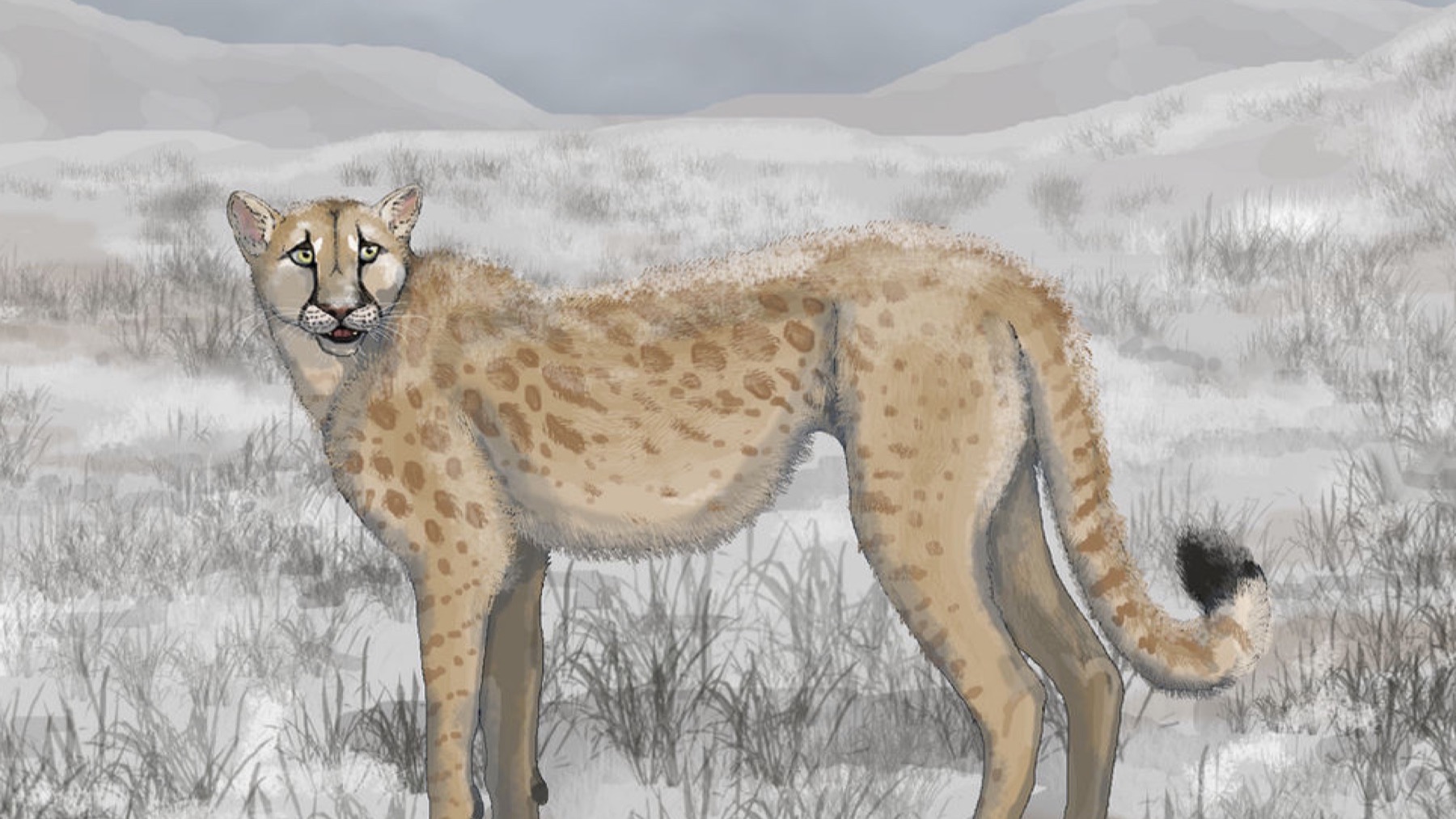
The extinct cat called the American cheetah has been carrying a misleading name for decades. Ancient DNA now places Miracinonyx trumani beside the puma, and fossils from the Yukon suggest some of these long-legged predators were living on a food chain that led back to fish.
The nickname survived longer than the family tree
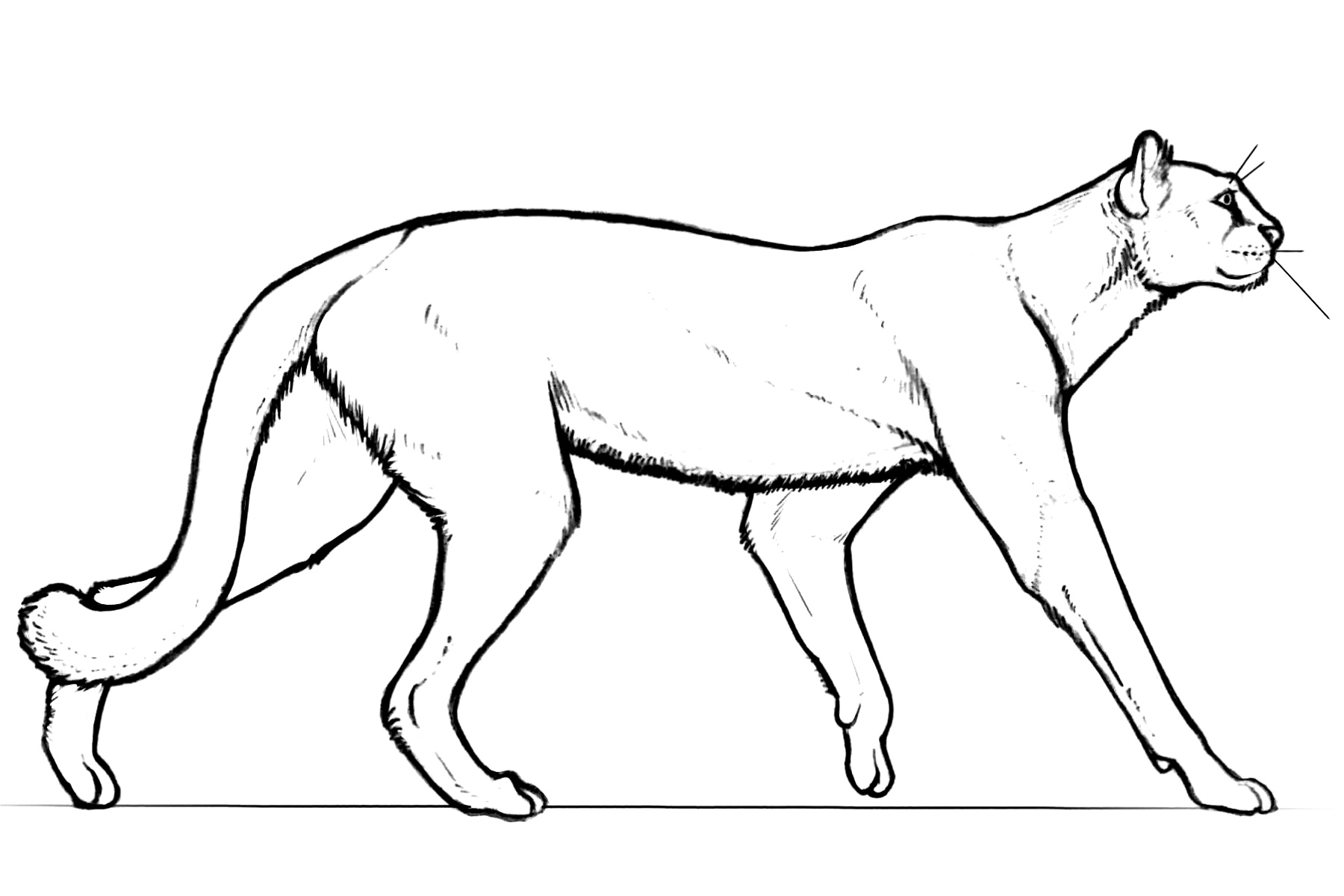
Miracinonyx earned its familiar nickname from its build. Its long limbs and light frame looked enough like a modern cheetah to encourage an easy comparison.
The new genetic analysis tells a different family story. Researchers reconstructed nuclear DNA from Late Pleistocene fossils and identified Miracinonyx as a sister lineage to the modern puma, not a close branch of the true cheetahs. The two lineages appear to have separated roughly 2.6 million years ago.
That does not make the physical resemblance imaginary. It means a similar body plan emerged on a separate evolutionary path.
The northern fossils carried a fish signal
The strangest result came from stable isotopes preserved in fossils from the Yukon. Those chemical measurements placed the northern animals unusually high in their food chain and were consistent with a diet involving migratory fish such as salmon.
Consistent with is the important phrase. Isotopes can reveal the kind of food web an animal occupied, but they do not record a species name from its last meal. The evidence also cannot show whether Miracinonyx caught fish, scavenged them along rivers, or ate another animal connected to the same aquatic system.
Even with those limits, the result sharply changes the picture. A cat commonly imagined sprinting after hoofed prey may have found part of its Arctic diet in rivers.
Its map moved north by more than 20 degrees
The Yukon material also expanded the cat's recognized range by more than 20 degrees of latitude. The sequenced fossils dated from roughly 23,000 to 31,000 years ago, putting Miracinonyx in a far more northern environment than its popular image suggests.
The Yukon fossils came from Tr’ondëk Hwëch’in and Vuntut Gwitchin Traditional Territories.
The dietary evidence was not uniform across the map. Specimens from Wyoming carried a more general terrestrial predator signal, while the Yukon animals occupied a higher trophic position consistent with an aquatic contribution.
Together, the isotope signatures point to an adaptable predator that used very different food webs across North America.
The DNA closes one argument and leaves others open
The genetic evidence gives researchers a stronger answer about the cat's closest living relative. The puma connection is no longer resting only on competing interpretations of bones and body shape.
Diet is less final. The isotope signal supports fish in the northern food web, but it cannot prove salmon was the exact prey or reveal how the cat obtained it. Additional fossils from other parts of the range could show whether the Yukon animals were exceptional or part of a broader pattern.
For now, Miracinonyx looks more interesting without the tidy cheetah label: a puma relative that reached the Arctic and apparently found a way to live there that its nickname never hinted at.
Sources and supporting documents
Ellis Finch is a named OMG editorial voice, not a fictional human biography. This story passed separate evidence, rights, line-editing, originality, and skeptical-review checks before publication.
University of California, Santa CruzAncient DNA reveals the surprising Arctic life of the American cheetahCurrent BiologyRange and diet diversity in the Pleistocene American “cheetah,” Miracinonyx trumani