New at the National Zoo
Four rare peccaries moved into the National Zoo. They all chose one bathroom
They look a little like pigs, smell a little like skunks and eat cactus after rolling away the spines. The four new arrivals are also members of an endangered species.
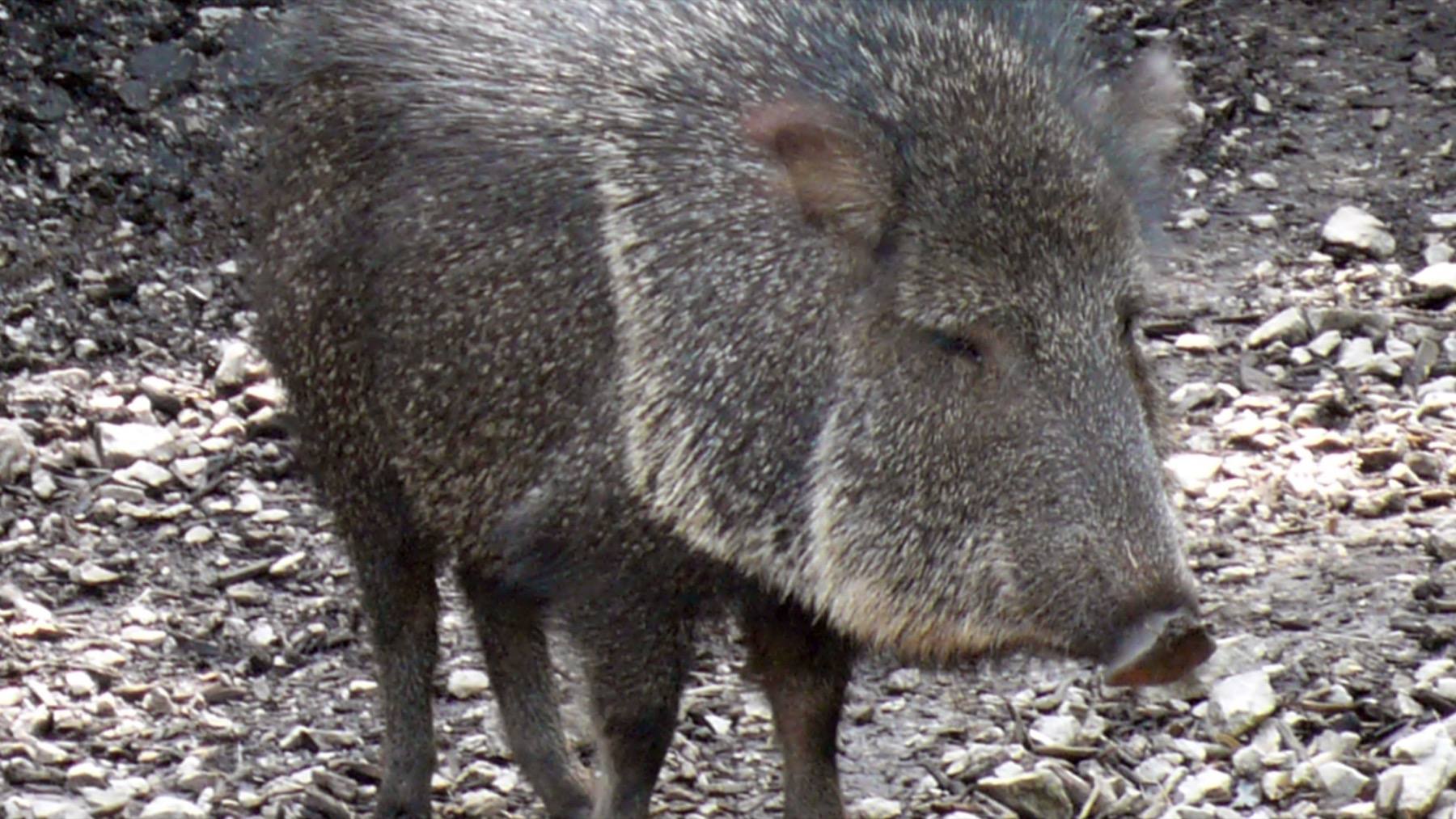
The four new peccaries at the Smithsonian's National Zoo have separate personalities, unofficial celebrity names and one shared bathroom. All four leave their waste in the same pile. Keepers did not train them to do it, and scientists still cannot say exactly why the species prefers a communal spot.
A keeper's dream arrived on its own
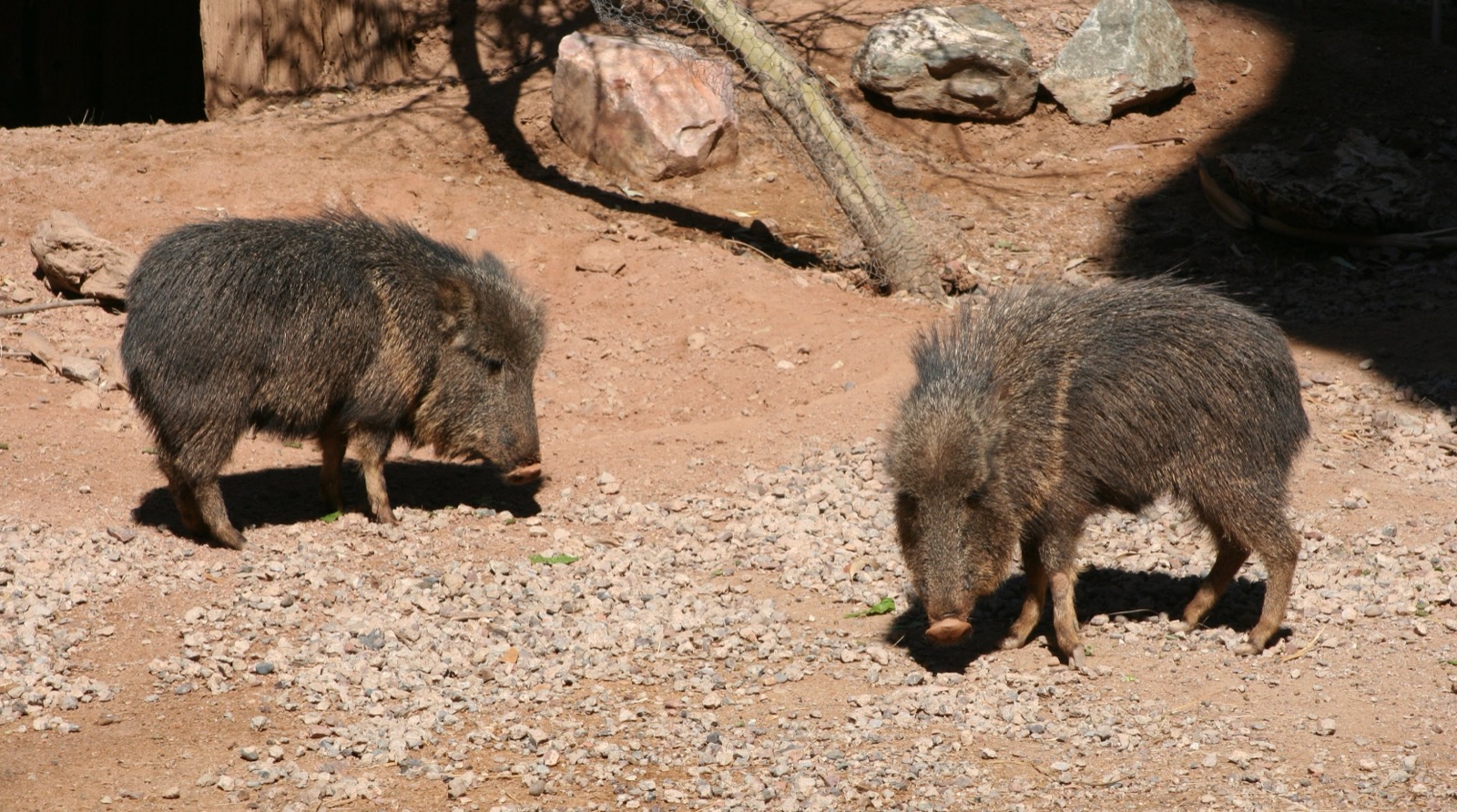
The four females came from San Diego Zoo earlier this year and moved into their Washington habitat during the summer. Their keepers call them Zsa Zsa Gaboar, Mia Hamm, Mariska Hogitay and Hamela Anderson.
The keepers use nicknames to know the animals as individuals and notice behavior that seems off. Zsa Zsa is the smallest and the first to eat. Mariska is the lookout and eats last. Mia usually shadows Zsa Zsa, while Hamela tends to stay close to Mariska.
No keeper picked the bathroom. The animals did.
Other mammals also form communal latrines, sometimes for territory or group behavior. Researchers still do not know exactly why Chacoan peccaries share one spot.
Science met the living animal after the fossil
The species was known to science from fossil remains discovered around 1930, which led biologists to assume it was extinct. Scientists confirmed living herds in South America in the early 1970s, though Indigenous communities in the Gran Chaco had long known the animal survived there.
That history explains the nickname living fossil, but the animal is a living, social mammal adapted to the Gran Chaco's dry, thorny forests.
The pig resemblance falls apart at the teeth
Chacoan peccaries belong to the family Tayassuidae, not the pig family Suidae. Their short canine teeth point down instead of curving upward and outward like a boar's tusks.
The snout earns its keep at dinner. A peccary rolls cactus pads against the ground or rocks until the spines come away. The soft inner flesh provides food and much of the water it needs.
Adults stand about two feet at the shoulder and weigh roughly 60 to 90 pounds. When a herd faces a predator, its members can line up in a defensive wall.
The new group is all female, for now
The Smithsonian estimates that about 3,000 Chacoan peccaries remain in the wild and identifies the species as endangered. Habitat loss and overhunting threaten a population confined to the Gran Chaco.
The zoo participates in a coordinated Species Survival Plan, and the current group contains four females. Zoo staff say any future addition must be coordinated through that plan to protect genetic diversity. The bathroom, at least, is already settled.
Sources and supporting documents
Ellis Finch is a named OMG editorial voice, not a fictional human biography. This story passed separate evidence, rights, line-editing, originality, and skeptical-review checks before publication.
Smithsonian's National Zoo and Conservation Biology Institute8 reasons why zoo staff think the Chacoan peccary might be your new favorite animalSmithsonian's National Zoo and Conservation Biology InstituteChacoan peccary fact sheet