A rare cat, a long journey
Only 100 to 120 Arabian leopards may remain. A breeding pair is expected in Washington
The agreement keeps the cats under Saudi custodianship, calls for a public webcam and sends any cubs born in Washington to Saudi Arabia.
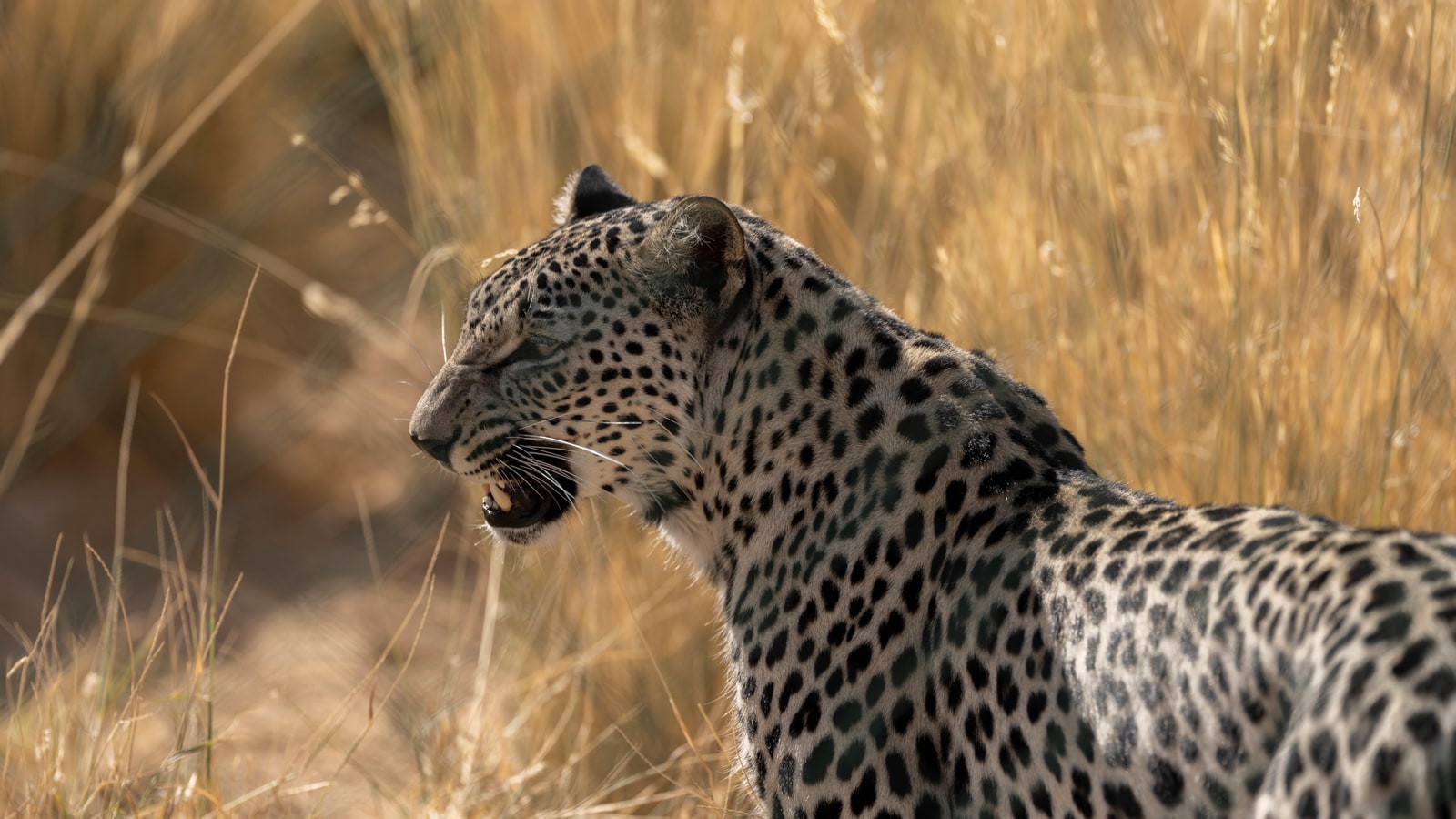
The agreement reaches beyond the expected pair and into the fate of animals not yet born. If the leopards have cubs at the Smithsonian's National Zoo, those cubs are to move to Saudi Arabia, while the adults remain under Saudi custodianship in Washington.
The wild count is an estimate, not a census
The IUCN Cat Specialist Group places the population between 100 and 120 animals, including an estimated 70 to 84 mature leopards. The group says the surviving cats are concentrated mainly in two isolated populations in Oman and Yemen. A very small number may still exist in Saudi Arabia, but no functional population has been confirmed there.
A precise census is difficult across the rugged mountains, escarpments and wadis where the cats live. The range is the best current estimate, not a claim that researchers have located every animal.
The subspecies is listed as Critically Endangered. Its decline has been tied to habitat loss, depleted prey and killing, including retaliation after livestock attacks.
The pair is expected in fall 2028
The Smithsonian's National Zoo and Conservation Biology Institute says a male and female are expected to arrive from the Royal Commission for AlUla's breeding program in fall 2028. The Washington exhibit is slated to open the following winter, in 2029.
The Saudi commission will keep custodianship of the leopards while Smithsonian staff handle their daily care. The announcement does not identify the animals.
Then comes the most unusual clause. If the pair has cubs in Washington, those cubs are to be transferred to Saudi Arabia at a time both organizations agree on. The stated aim is to support long-term recovery and possible future reintroduction.
Visitors may one day watch them cross overhead
Plans call for outdoor and indoor habitat areas, care facilities and an elevated crossing that would let the leopards move above visitors. A public webcam is also planned for people who cannot visit the zoo.
The National Capital Planning Commission approved the final site and building plans on September 3. The zoo and the Royal Commission for AlUla broke ground on September 15, leaving roughly two years before the expected arrival of the cats and another year before the planned public opening.
Those dates are targets rather than guarantees. Construction and international transport still have to happen before anyone sees an Arabian leopard in the new habitat.
The partnership comes with $51.6 million
The exhibit and broader conservation work are backed by a $51.6 million gift from the Royal Commission for AlUla. The Smithsonian says the money covers design and construction, animal transport and care, dedicated staff, research, breeding and genetic management, professional exchanges and public education.
The joint Smithsonian-RCU announcement says the managed population has more than doubled, but it does not include an independent population audit.
A zoo birth would be a step, not a recovery
Breeding can preserve genetic diversity and supply animals for a future release program. It cannot rebuild a wild population without suitable habitat, prey and protection from killing.
A litter in Washington would add animals to the managed population. It would not prove that Arabia's mountains are ready to receive them. The long measure of success will happen far from the future webcam.
Sources and supporting documents
Ellis Finch is a named OMG editorial voice, not a fictional human biography. This story passed separate evidence, rights, line-editing, originality, and skeptical-review checks before publication.
Smithsonian's National Zoo and Conservation Biology InstituteSmithsonian and Royal Commission for AlUla break ground on Arabian leopard exhibitIUCN/SSC Cat Specialist GroupArabian LeopardWikimedia CommonsArabian Leopard (2023) image record