A bright shape became tree debris
The Taraia Object looked metallic. Purdue says it was likely tree debris, not Earhart’s plane
Purdue says the Y-shaped remnant’s shine came from a carbonate coating. The steel tube and other artifacts have no established Earhart link.
Seen from above, the lagoon anomaly seemed to flash like metal. At the site, only one Y-shaped remnant remained. Purdue’s final account says the material was probably a collection of large trees, with a carbonate coating producing the shine. The expedition reported no conclusive evidence tying the anomaly to Amelia Earhart’s Lockheed Electra. That closes one proposed clue, not the disappearance. Earhart and navigator Fred Noonan left Lae, Papua New Guinea, on July 2, 1937, bound for Howland Island and disappeared.
The shine came from the coating
The anomaly was first noticed in satellite imagery in 2020. Its shape and reflective surface helped sustain the idea that a metallic object might be sitting in shallow water near the Taraia Peninsula.
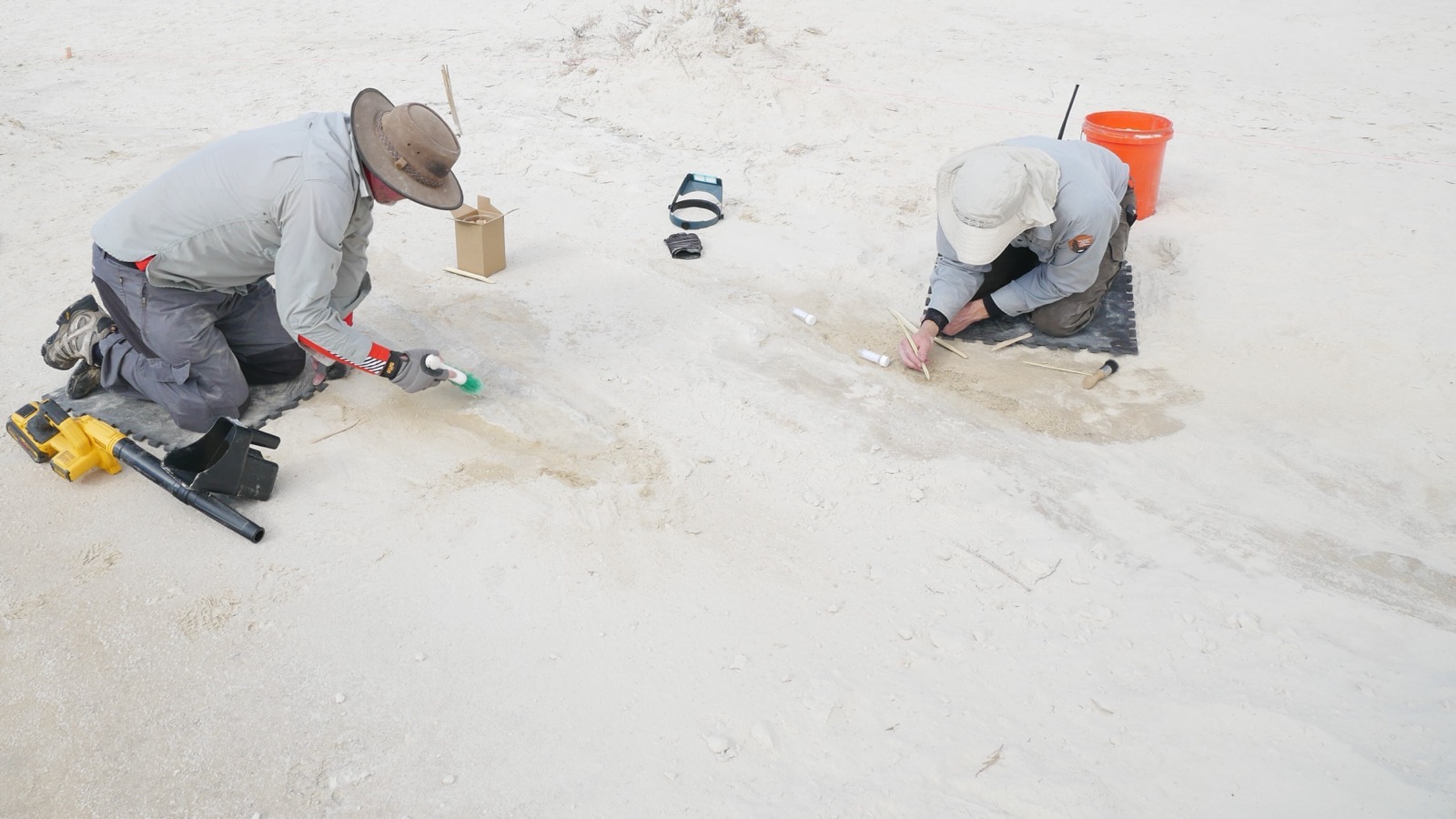
By the time the expedition arrived, Purdue says much of the material had fragmented and washed away. One Y-shaped segment remained. The institution attributes its shine to a carbonate veneer and says other objects in the lagoon carried a hard, reflective mixture of coral sand.
The imagery preserved an unusual outline and a flash of brightness. It could not identify the material underneath. At the site, the expedition separated the reflective coating from what Purdue now describes as likely tree debris.
Four shore days separated the image from the object
The expedition reached Nikumaroro on October 12 after a five-day voyage from Tarawa. Members went ashore the next day and reached the Taraia Peninsula. Underwater survey work began October 14.
Purdue’s October 14 update says the maritime team used a magnetometer and side-scan sonar in the lagoon. A magnetometer can register ferrous material, while sonar maps forms below and along the sediment. Those tools could organize the search. They could not identify an airplane without physical evidence.
Rough weather stopped shore work on October 15. Purdue’s final account says the crew spent seven days near Nikumaroro and four days ashore. That was enough to inspect what remained of the anomaly, but the expedition did not report excavating an aircraft or finding conclusive evidence of the Electra.
The steel tube remains unidentified
Purdue says the crew recovered a steel tube about 30 inches long from the lagoon near the peninsula, along with other artifacts from maritime and land searches.
The public release does not identify the tube’s age, original use or owner. It says the artifacts will receive further study. The current public record does not identify the tube as an Electra component or establish it as support for the Taraia Object theory.
Purdue has a stake in this search
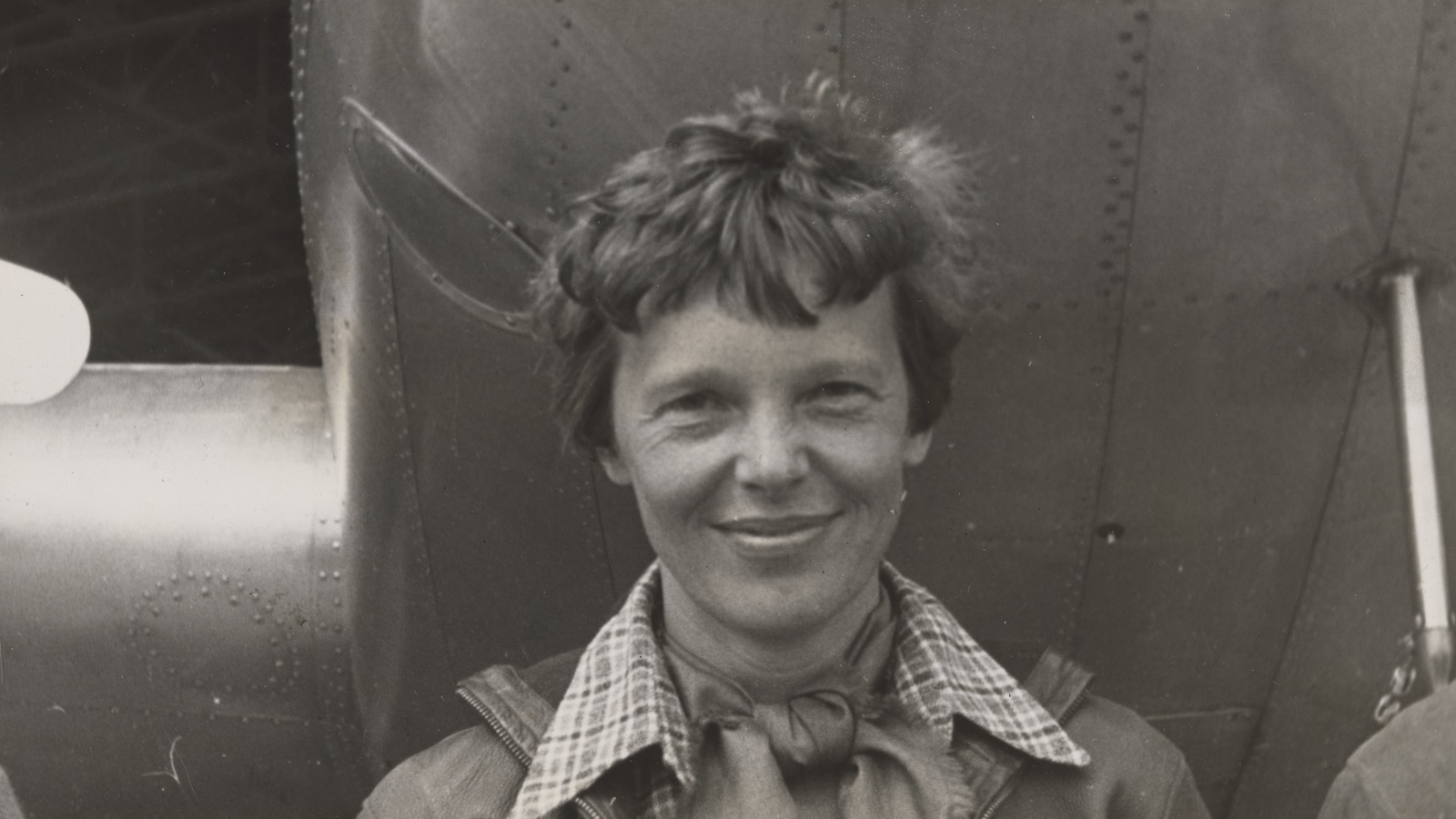
The Purdue Research Foundation helped fund Earhart’s Lockheed Electra through the Amelia Earhart Fund for Aeronautical Research. Purdue says she intended to return the airplane to the university after completing her round-the-world flight.
Purdue, the Purdue Research Foundation and the Archaeological Legacy Institute participated in and promoted the expedition. Their release is an interested institutional account, not an independent archaeological assessment. The current source packet contains no independent field report, artifact catalog or laboratory result.
The institutions continue to support a wider theory that Earhart and Noonan reached Nikumaroro. This expedition did not establish that theory. It tested one lagoon anomaly and reported that the anomaly was likely trees, not aircraft wreckage.
The larger disappearance remains open
Earhart and Noonan were headed for Howland Island, about 400 miles northwest of Nikumaroro, when they disappeared. The Taraia mission did not determine where they went next, and it did not select among the wider theories about their fate.
It did change how one bright shape should be described. The object that looked metallic in lagoon imagery is now described by Purdue as tree debris, worn down to a Y and glazed with carbonate.
Sources and supporting documents
Rowan Price is a named OMG editorial voice, not a fictional human biography. This story passed separate evidence, rights, line-editing, originality, and skeptical-review checks before publication.
Purdue UniversitySearch for Amelia Earhart’s plane continues after Taraia Object expedition on Nikumaroro rules out latest hypothesisPurdue UniversityCrew arrives at Nikumaroro, launches critical phase of Amelia Earhart plane searchPurdue UniversityUnderwater survey of Taraia Object beginsPurdue UniversityWeather prevents shore work Thursday; ID update expected in next 48 hoursSmithsonian National Air and Space MuseumModel, Static, Lockheed Electra, Amelia EarhartWikimedia Commons; source record from the Smithsonian InstitutionAmelia Earhart standing under nose of her Lockheed Model 10-E Electra