Thirteen marbles, one bronze angel
Emma Stebbins’s angel became a Central Park landmark. Chicago now gathers 13 of her marbles
Angel of the Waters was unveiled at Bethesda Fountain in 1873. The touring show puts portraits, allegories and Stebbins’s life with Charlotte Cushman around that famous bronze.
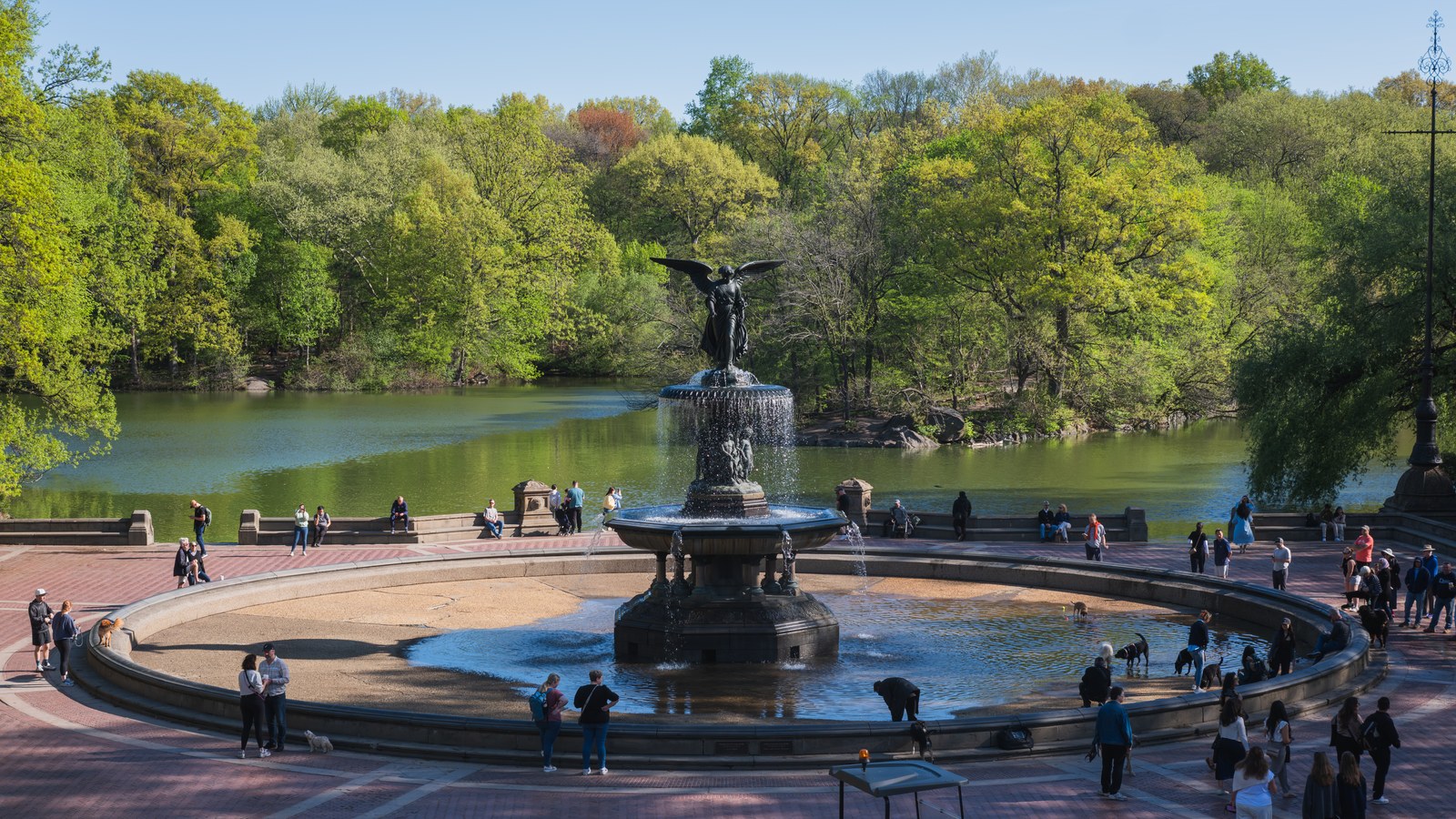
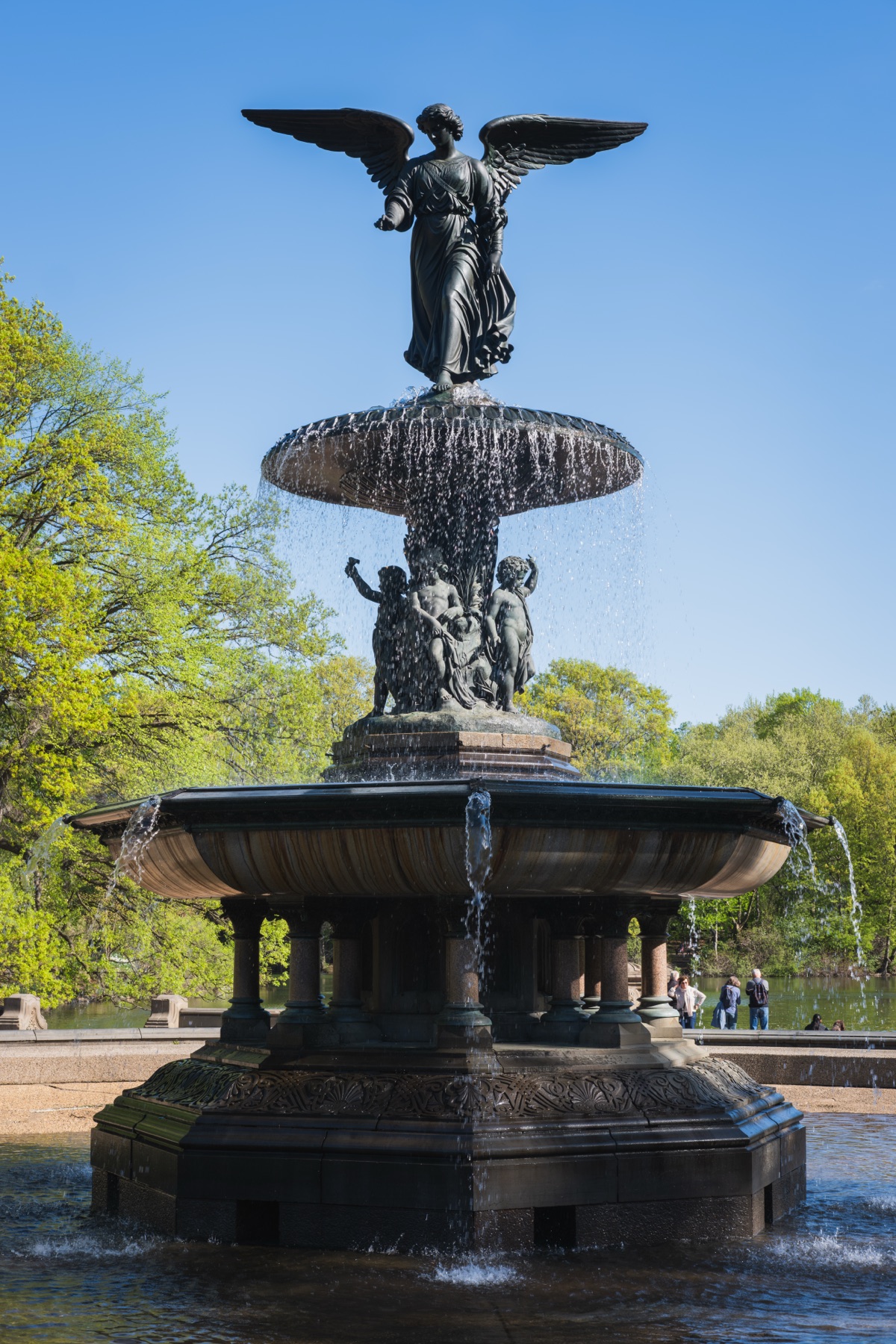
A lily hangs from one hand. Four figures stand below. Wings spread over a fountain built to celebrate clean water. Emma Stebbins’s Angel of the Waters was unveiled at Bethesda Fountain in 1873. New York City had awarded her the commission a decade earlier, making her the first woman to earn a public sculpture commission from the city. The bronze became a landmark. The rest of her career never became nearly as visible. A touring exhibition that opened October 9 at Chicago’s Driehaus Museum brings together 13 of Stebbins’s marble sculptures, plus paintings, photographs and works on paper. One angel is finally the entrance to a larger body of work, not its entire frame.
The angel carries a clean-water story
Bethesda Fountain commemorates the Croton Aqueduct, which brought fresh water to New York City in 1842. Stebbins connected that engineering achievement to the biblical Pool of Bethesda, whose waters were said to gain healing power after an angel stirred them.
The Central Park Conservancy documents the symbolism in the bronze. The lily stands for water purity. The four figures below represent peace, health, purity and temperance.
Angel of the Waters is also the only artwork in Central Park’s collection that the park’s original designers and administrators commissioned, according to the Conservancy. The other monuments were donated.
The fountain is currently turned off for an approximately one-year restoration. Bethesda Terrace remains open. The April photographs in this article show the water running before that work began.
The commission came before the landmark
New York City awarded Stebbins the commission in 1863. She sculpted the fountain figure from 1864 to 1867, and it was unveiled six years later. The bronze was not added to an already famous fountain. It helped define the fountain from its public debut.
Stebbins was then working in Rome among American and European artists. Her practice also included portraits, literary and biblical subjects, and allegories of American industry.
The Driehaus show brings 13 of her marble sculptures from collections in the United States and Europe into one installation. Its organizer, the Heckscher Museum of Art, calls the project the first museum exhibition devoted to Stebbins. That is an institutional claim about a dedicated museum exhibition, not a claim that nobody preserved or studied her work before now.
The number changed with the venue. Heckscher’s earlier installation listed 14 sculptures; the Chicago stop lists 13 marbles. The Driehaus exhibition runs through April 18, 2027.
Charlotte Cushman is present without becoming the angel
Stebbins lived and worked in Rome with the actor Charlotte Cushman, her partner. The exhibition places Cushman directly in the record through Stebbins’s portrait bust, photographs, rare works on paper and early editions of the biography Stebbins published after Cushman’s death.
A familiar theory holds that Cushman modeled for Angel of the Waters. The Central Park Conservancy says many people have speculated about that connection. It does not present the idea as documented fact.
The theory is not needed to bring the two women into the same room. At the fountain, Cushman may or may not be present in the angel’s face. In Chicago, her likeness is there in the portrait Stebbins actually made.
Sources and supporting documents
Rowan Price is a named OMG editorial voice, not a fictional human biography. This story passed separate evidence, rights, line-editing, originality, and skeptical-review checks before publication.
Richard H. Driehaus MuseumEmma Stebbins: Carving Out HistoryThe Heckscher Museum of ArtEmma Stebbins: Carving Out HistoryCentral Park ConservancyBethesda FountainWikimedia CommonsBethesda Fountain and the Lake, Central Park, Manhattan, New YorkWikimedia CommonsAngel of the Waters, Bethesda Fountain, Central Park, Manhattan, New York