The brewery problem Mars work helped solve
A Maine brewery’s CO₂ supplier ran short. Its recovery system has roots in NASA-funded Mars work
The connection is shared engineering, not a repurposed Mars machine: compress gas, remove water, control temperature and let the equipment run largely on its own.
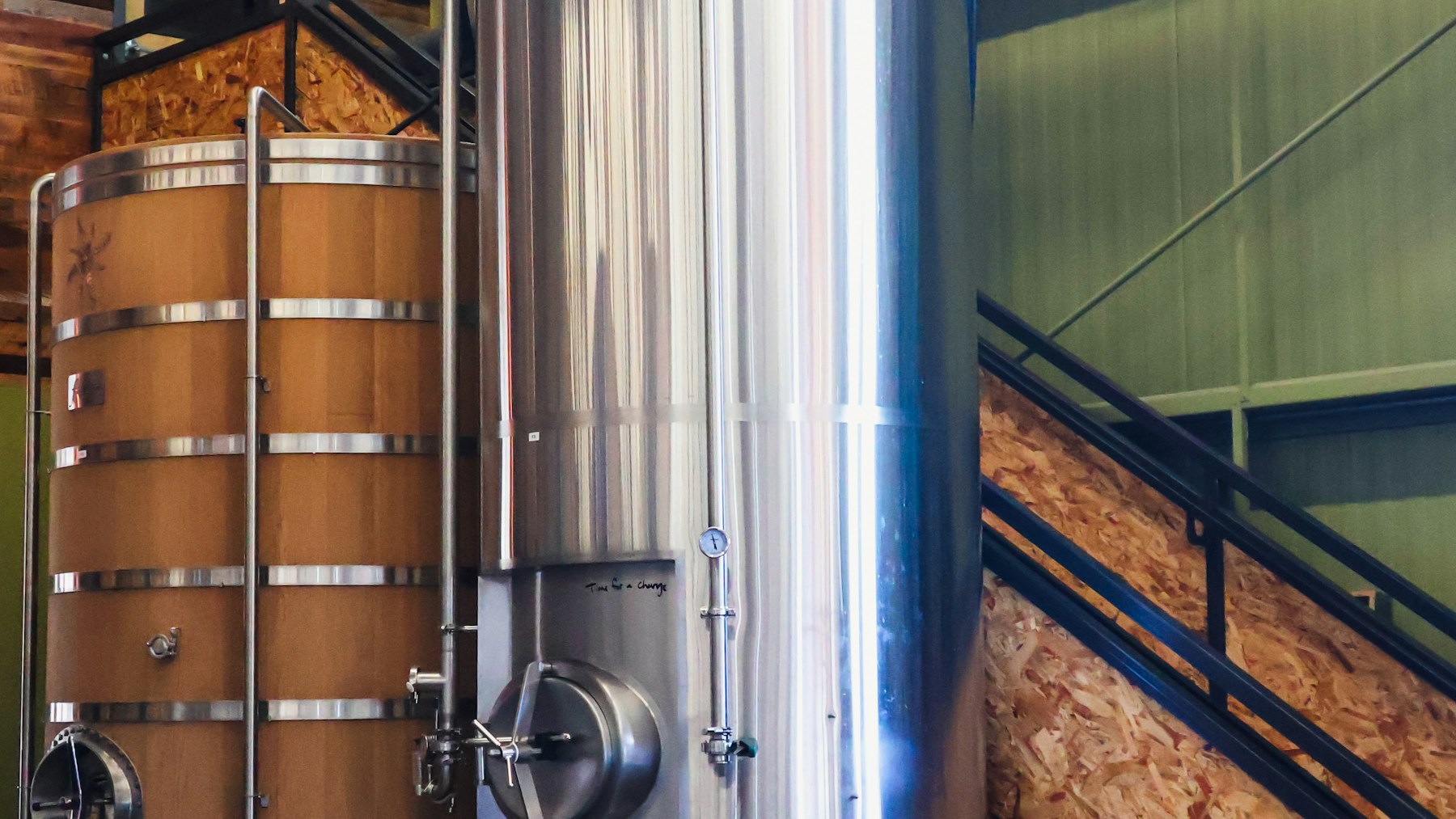
Fermentation at Maine Beer Company was already producing the gas that became difficult to buy in 2021. Without dependable deliveries, beer could go stale, and bottling, kegging and centrifuge work could stop. The answer was to capture what the tanks already made. The compact unit installed the following year came from an engineering family tree built around off-world constraints: collect carbon dioxide from Mars’ atmosphere, turn local material into useful resources and keep operating before a crew arrived.
The brewery was venting what it had to buy
Fermentation produces alcohol and carbon dioxide. Breweries use more carbon dioxide later to carbonate beer, clear air from tanks and move beer through packaging.
Large breweries have long recovered some of their fermentation gas. For smaller operations, the equipment was often too large or expensive. They vented the gas from fermentation, then bought replacement carbon dioxide from an outside supplier.
Maine Beer Company ran directly into that contradiction when its supplier ran short. A compact recovery system offered another route: collect the fermentation gas, remove moisture and impurities, liquefy it and return it to the brewery’s own supply.
Mars and a brewery share a water problem
Beginning in the mid-1990s, Pioneer Astronautics won NASA Small Business Innovation Research contracts for systems that could make useful materials from resources already available on Mars.
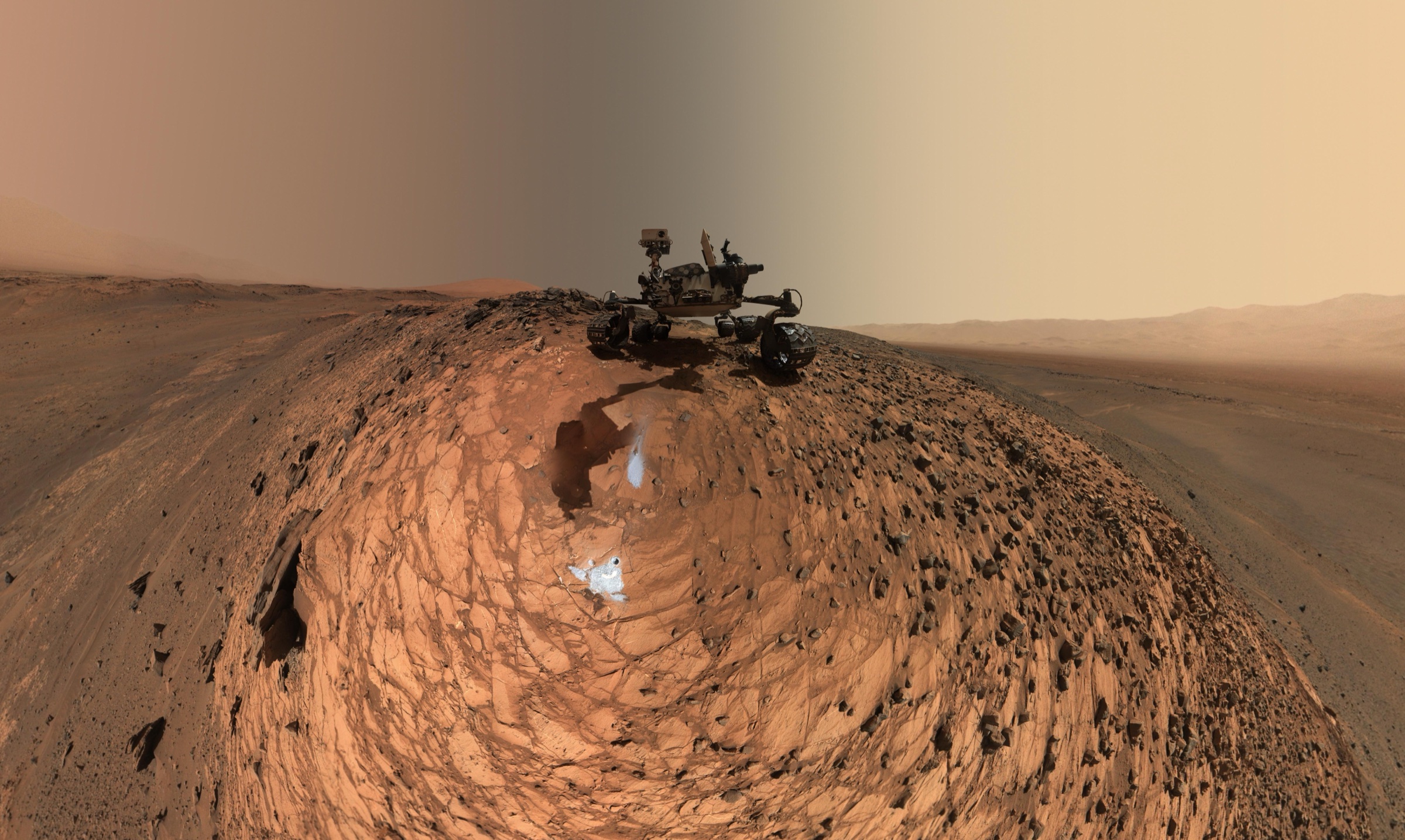
The Martian atmosphere is more than 95 percent carbon dioxide. Pioneer worked on systems that could collect and separate that gas, raise its pressure, combine it with hydrogen to make methane and water, then split the water into oxygen and hydrogen. Methane and oxygen could support a return flight, while water and oxygen could support a crew.
A brewery does not need that complete chemical chain. It does share several stubborn hardware problems.
NASA’s 2016 Spinoff account described mechanical compressors, cryogenic cooling and desiccant beds as points of overlap. Mars equipment would need water removed from stored products. Brewery equipment also has to strip moisture from carbon dioxide because that water can freeze inside the lines and block them.
Automation supplied another link. NASA mission concepts envisioned sending a return vehicle 26 months before the crew even left Earth. A signal between Earth and Mars could take roughly 4 to 24 minutes each way, making real-time control impossible.
A small brewery faces no interplanetary delay, but paying someone to supervise every valve would undermine the economics of a compact recovery unit. In both settings, the machinery has to manage pressure, temperature and gas flow largely by itself.

The technology changed hands before reaching Maine
Pioneer founder Robert Zubrin later created Pioneer Energy and rearranged parts of the gas-handling work for the oil and gas industry. The company then adapted related technology for breweries, putting its Craft Brewery Recovery System into production by 2015.
Pioneer eventually offered the system for licensing. Amy George founded Earthly Labs in 2016 and obtained an exclusive license. Chart Industries acquired Earthly Labs in 2021 and continued developing the equipment.
Chart says its current CiCi systems use three main stages. They dry the incoming gas, scrub volatile organic compounds and other impurities, then chill the carbon dioxide below minus 34.7 degrees Celsius to turn it into a liquid. The company also advertises 24-hour unattended operation. Those are manufacturer specifications, not findings from an independent test.
The connection to NASA is therefore a technology lineage. The brewery unit is not flight hardware, and NASA did not test Maine Beer Company’s installation.
The 40 percent result comes from Chart
Chart says Maine Beer Company installed the recovery equipment in 2022. Its case study reports that the brewery reduced demand for purchased bulk carbon dioxide by 40 percent.
The same case study says Maine uses reclaimed gas in flagship beers, blends it with purchased carbon dioxide during high-demand operations and runs weekly sensory tests. Chart published all three claims. NASA’s feature does not independently audit the reduction, beer quality or full environmental effect.
Reusing fermentation gas can reduce purchases and delivery dependence. It is not permanent carbon removal because the captured gas remains part of the brewery’s operating cycle rather than being sequestered.
What traveled from the Mars work to Maine was not one finished machine. It was the discipline of compressing, drying, chilling and automatically controlling gas where outside help could not be assumed. On Mars, the missing help would be a crew. In Maine, the supplier had run short.
Sources and supporting documents
Rowan Price is a named OMG editorial voice, not a fictional human biography. This story passed separate evidence, rights, line-editing, originality, and skeptical-review checks before publication.
NASANASA’s Machines for Mars Make Beer BubblyNASA SpinoffCO2 Recovery System Saves Brewers Money, Puts Bubbles into BeerChart IndustriesSmall Scale Carbon CaptureChart Industries / Earthly LabsMaine Beer Company small-scale carbon capture case studyUnsplashAnchorage Brewing Company fermentation tanksUnsplashCarbon dioxide bubbles in a glass of lager