Newsroom explainer
How a viral story earns the OMG label
A trend may earn a look in seconds. Publication takes evidence, judgment, and someone willing to own the result.

A celebrity clip, unusual public record, consumer alert, or curious animal moment can light up the internet before anyone pauses to ask where it came from. That attention is a signal for our newsroom. It is not yet a story.
A signal, not a script
OMG News Network watches a broad set of publications, official feeds, public records, and social conversations to find topics that are gaining momentum. Those discovery sources tell us what people have noticed. They do not supply the structure or language of our coverage.
The responsible desk starts again with the underlying material. That might mean the original video, a direct statement, a court or agency record, a company notice, or another authoritative source. If the material claim cannot be established, the pitch stops.
The claim ledger
Before drafting, the desk separates the story into checkable claims. Each important claim needs a source, a confidence level, a date, and any limitation that could change how a reader understands it.
Old clips presented as new. A quote repeated without its original context. A public filing that is real but misunderstood. A dramatic headline that promises more than the evidence supports.
A reason to exist
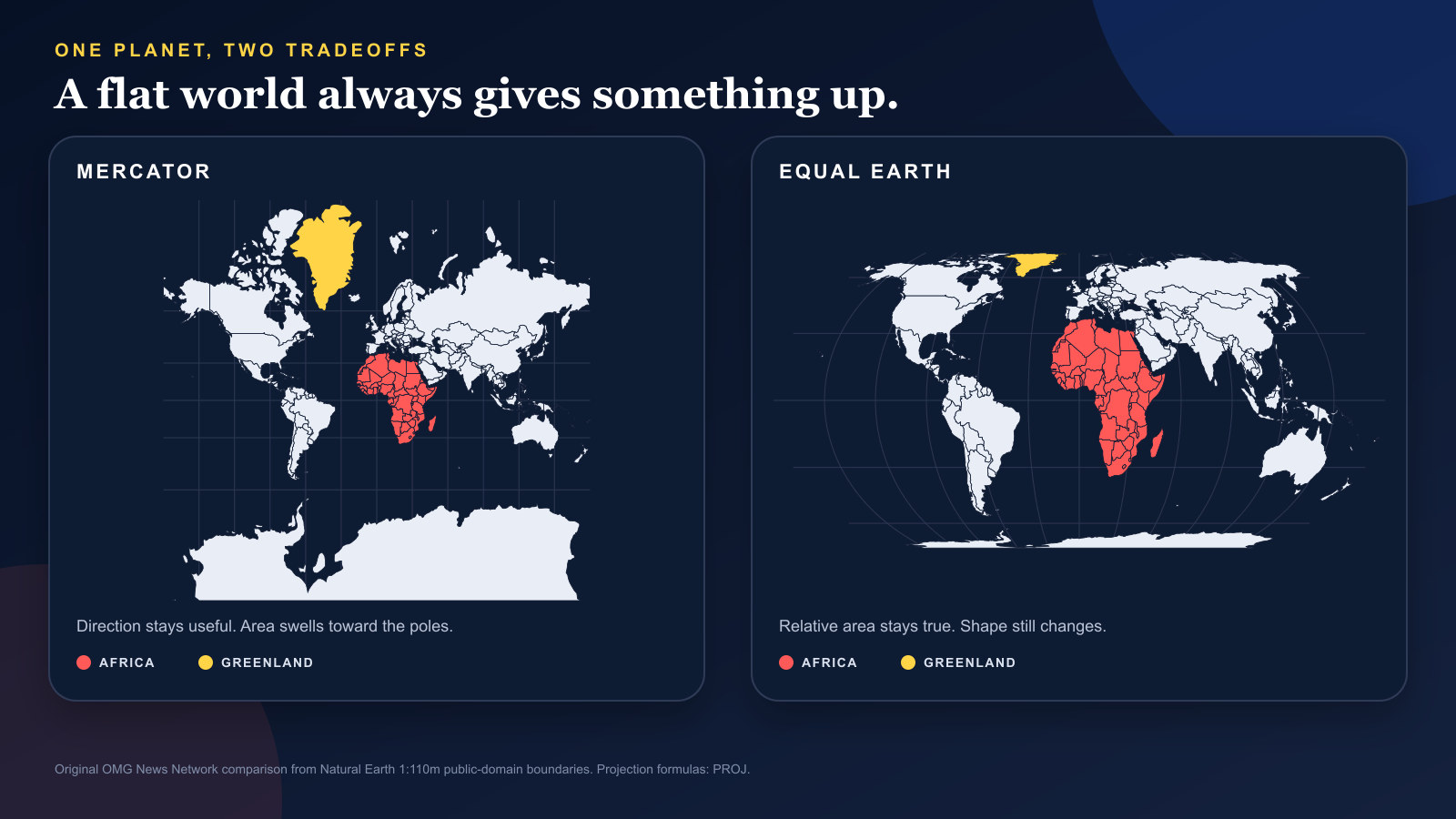
Retelling a competitor’s article in different words is not enough. An OMG article must give the reader something distinct: a verified timeline, a useful comparison, an official record, a clear explanation, a corrected misconception, or an original visual that makes the facts easier to understand.
The headline, opening, paragraph order, examples, images, and closing thought are built independently. If the draft still feels like the discovery article with a new coat of paint, it goes back.
Final approval
Desk agents can research, organize evidence, and draft in the approved house voice. They cannot publish on their own. The article receives sourcing, originality, rights, risk, and style checks before the publisher gives final approval.
Publication does not end the responsibility. If the evidence changes, the story is updated. If a material fact was wrong, the correction appears where readers can see it.